 Pharm.D., recipe developer
Updated
Pharm.D., recipe developer
Updated
Written by a pharmacist and recipe developer who has followed keto for 14 years. More about Annie →
Keto Cheese Recipes You Won't Believe Are Low-Carb
Almost every cheese is keto-friendly. The trick is knowing which one to reach for, and which to leave on the shelf.
Is cheese keto?
Many natural cheeses are low in carbohydrate and can fit a ketogenic eating pattern. The displayed macros use cheddar as a representative form and round to about 1g carbohydrate per ounce; cheese type, brand, serving size, and label rounding vary.
Quick reference [1][4]
- Calories
- 113 per 1 oz
- Fat
- 9g
- Protein
- 7g
- Net carbs
- 1g
Using it
- Best for
- Melting, fat head dough, sauces, toppers
- How much to use
- No conversion needed here — cheese is already keto-perfect. The one thing I always remind people: block cheese, not pre-shredded. The bags have anti-caking starch added that messes with sauces and melts. I keep a block of mozzarella and a block of sharp cheddar in my fridge at all times.
- Substitutes
- Nutritional yeast for cheesy flavor in dairy-free dishes. Start with 2 tablespoons per ounce.
New to keto? Many cheeses are low in carbohydrate, but values vary by type, brand, form, serving size, and label rounding. Full breakdown: Is cheese keto? →
I have tested cheese in more keto recipes than I can count, and I have strong opinions about it. Most of them come down to two questions: which cheese for which job, and what to never put in your cart.The cheeses I keep stocked
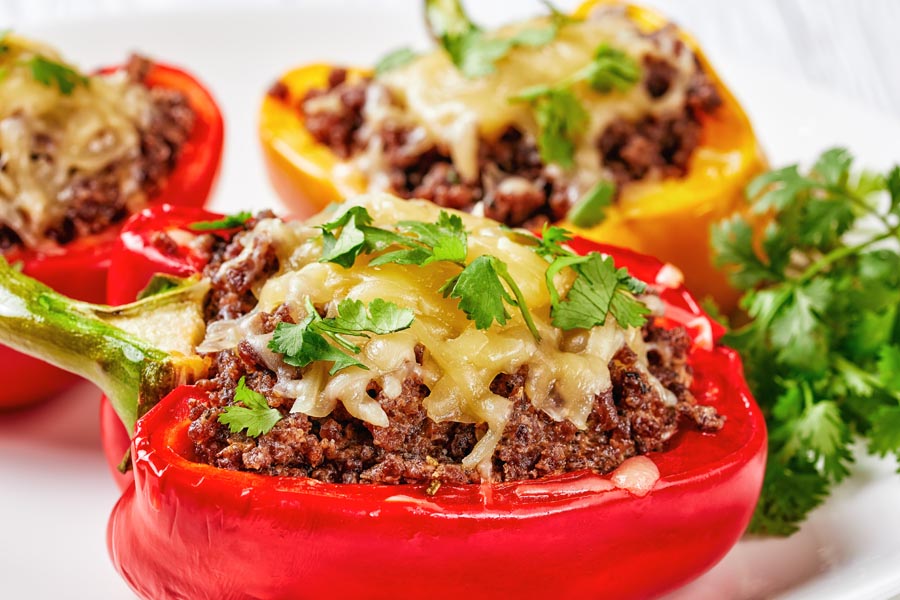
Sharp cheddar is my everyday workhorse. I melt it into casseroles, stuff it into peppers, and eat it straight off the block when I need something fast. Mozzarella is what I reach for when I need stretch: fat head dough, keto pizza, lasagna. Cream cheese is the backbone of my keto baking. Parmesan is the seasoning cheese, and a tablespoon of the finely grated stuff adds more flavor to a dish than almost any spice I own.Buy the block, not the bag
I usually grate block cheese when a sauce needs the smoothest melt. Some pre-shredded products use anti-caking ingredients, but cellulose is not the same as digestible starch and formulations vary. Compare equal serving weights and the current carbohydrate and ingredient labels instead of assuming every bag adds carbs.Why cream cheese earns its own shelf
Cream cheese can work in cheesecake, sauces, and fat head dough, but block, tub, whipped, flavored, full-fat, and reduced-fat products vary. Compare the current label and use the form the recipe was tested with; fat level alone does not establish the carbohydrate amount or baking result.The cheeses to skip
American singles, processed loaves, spray cheese, deli cheese, and natural cheese are different products with different labels. Compare serving size, total carbohydrate, sodium, saturated fat, and ingredients instead of applying one 1-to-3-gram range or assuming the store department determines the better choice.Annie’s go-to brands
- Tillamook Block Sharp Cheddar
- BelGioioso Fresh Mozzarella
- Philadelphia Full-Fat Cream Cheese
- Cabot Seriously Sharp Block Cheddar
- Cousin Eddie's Parmigiano-Reggiano
Questions about Cheese
Is cheese keto?
Is cream cheese keto?
Cream cheese can fit when the labeled serving and amount fit your plan. Block, tub, whipped, flavored, full-fat, and reduced-fat products vary, and this cheese overview does not assign one carb value to all of them. Check the current package and use the form the recipe specifies; see the dedicated cream-cheese guide for its cited representative value.
[4]How much cheese can you eat on keto?
There is no universal cheese allowance. Carbohydrate, calories, saturated fat, and sodium vary by cheese and serving size, and weight change cannot be attributed to one food without considering the full eating pattern and other factors. Use the label or USDA entry for the cheese and portion you eat; ask a qualified clinician or registered dietitian for individualized advice.
[1][4][5]Is mozzarella keto?
Mozzarella can fit a ketogenic eating pattern, but fresh, whole-milk, part-skim, low-moisture, shredded, and string products vary by serving size and label. Use the current package and the amount in the recipe. Low-moisture mozzarella is commonly used for fat head dough because its moisture and melting behavior suit that preparation.
[4]Why does pre-shredded cheese have more carbs?
Some pre-shredded cheeses use anti-caking ingredients, but cellulose is not the same as digestible starch and products vary. Compare equal serving weights and the current total-carbohydrate and ingredient labels rather than assuming every bag adds 1 to 2 grams. I often grate a block when a recipe needs the smoothest melt.
[4]Nutrition and health note: Nutrition values are estimates and can vary by brand and serving size. This guide is for general information, not medical advice. Ask a qualified healthcare professional about dietary changes that may affect a health condition or medication.
Sources & notes 5 references
Show the references
-
USDA FoodData Central: cheddar cheese (opens in a new tab)
Nutrition: Cheddar is the representative form used for the displayed macros and rounds to about 1 gram carbohydrate per ounce; values vary by cheese type.
-
USDA FSIS FoodKeeper data catalog (opens in a new tab)
Storage: Primary USDA-developed FoodKeeper records distinguish hard and shredded cheese storage forms.
-
Nebraska Extension: Home Food Storage (opens in a new tab)
Storage reference: Readable supporting chart lists opened hard cheese at 3 to 4 weeks and shredded cheddar or mozzarella at about 1 month.
-
FDA: Serving Size on the Nutrition Facts Label (opens in a new tab)
Nutrition and labeling: Packaged-food values apply to the labeled serving; compare the serving size and current product label because formulations vary.
-
American Heart Association: Saturated Fats (opens in a new tab)
Nutrition and health: Saturated-fat guidance and the importance of the overall eating pattern and individual cardiovascular risk.
More Keto Ingredients
136 recipes with Cheese
Most popular
Dessert
Dinner

Breakfast

Appetizers
Sides
Lunch


Condiments & Dressings
Browse all