 Pharm.D., recipe developer
Updated
Pharm.D., recipe developer
Updated
Written by a pharmacist and recipe developer who has followed keto for 14 years. More about Annie →
Easy Keto Beef Recipes My Family Asks For
Beef is the protein my family actually gets excited about, and on keto it needs no fixing: zero carbs, plenty of fat, and a different cut for every job.
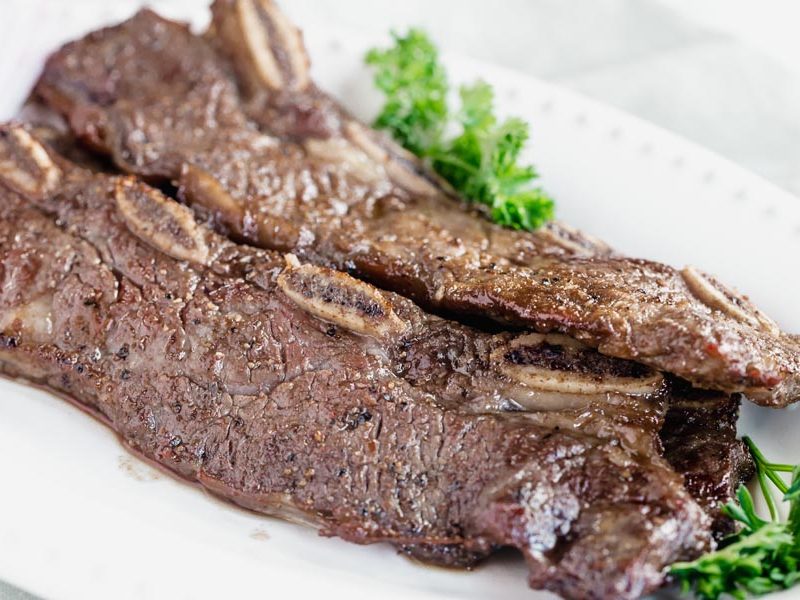
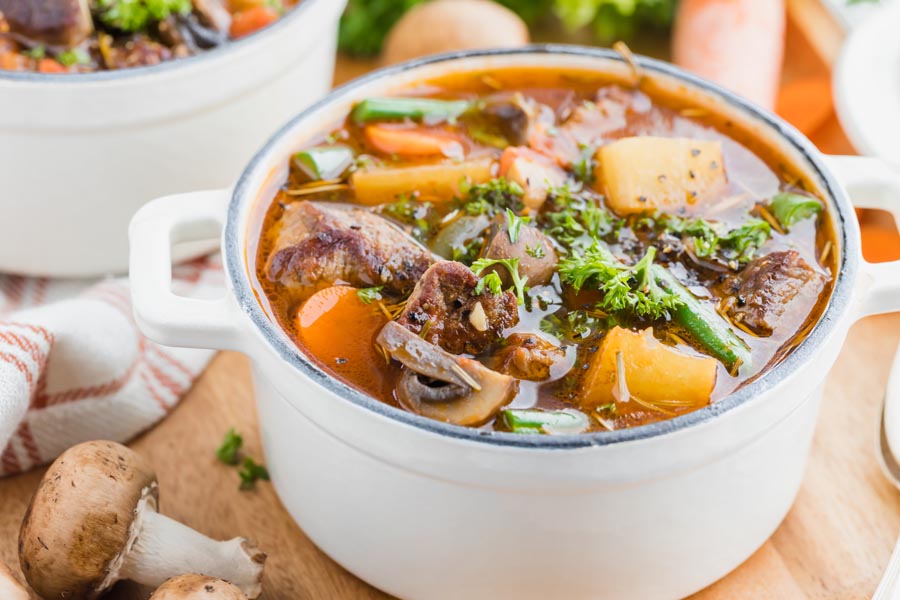
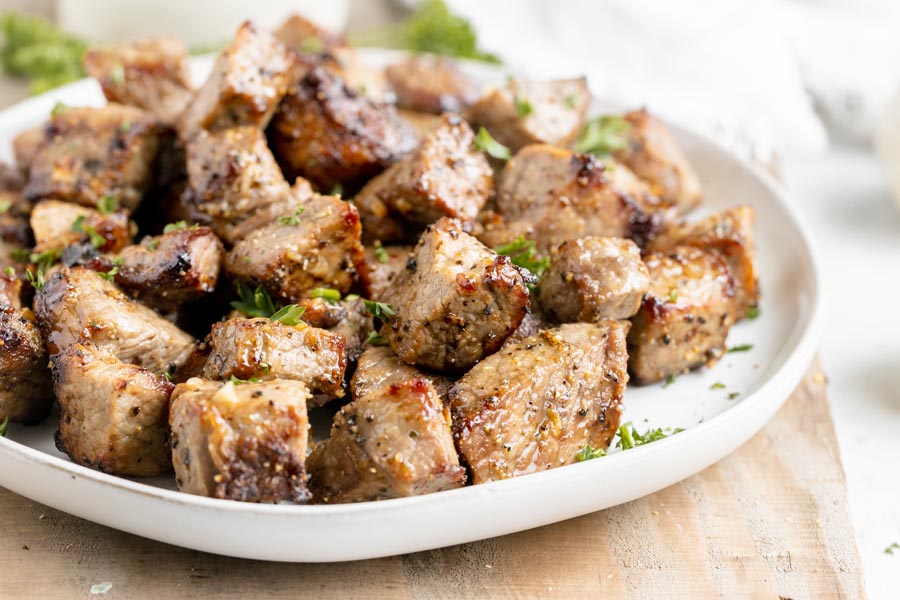
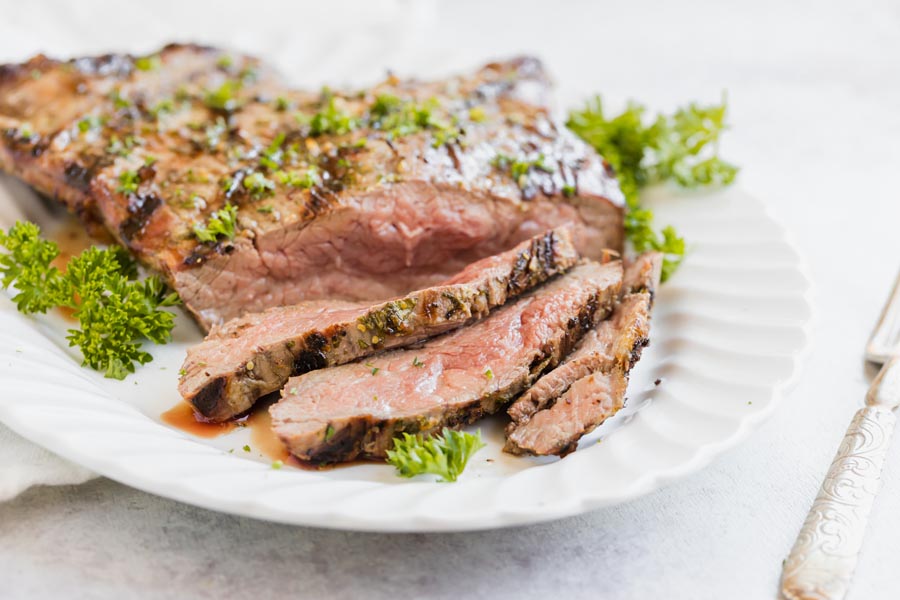
70 recipes with Beef
46 of them are ground beef recipes with a page of their own; everything else lives below.
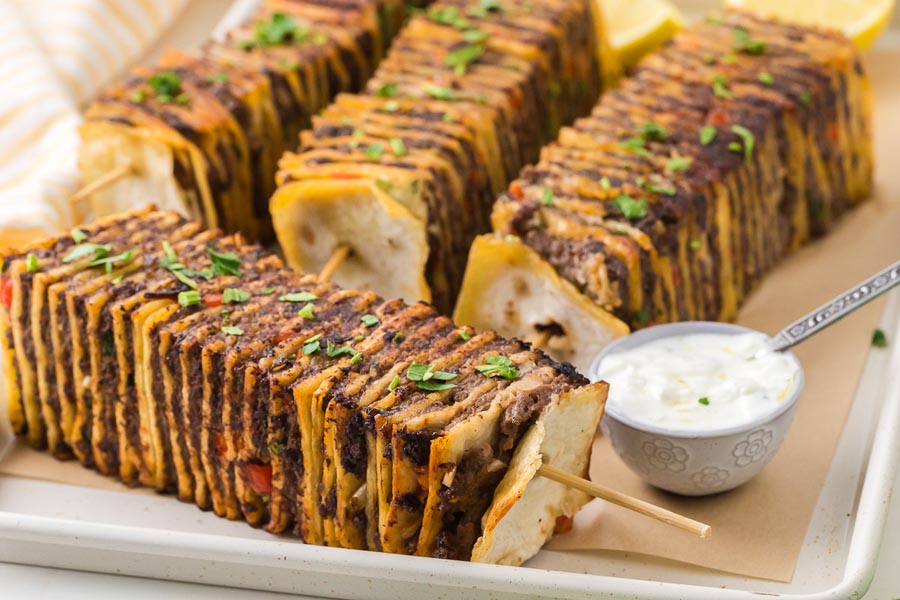
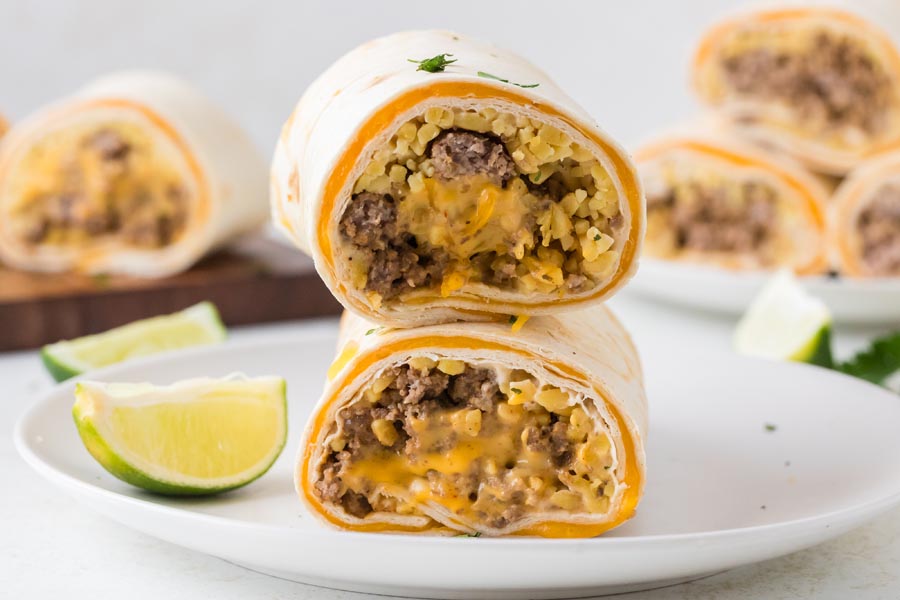
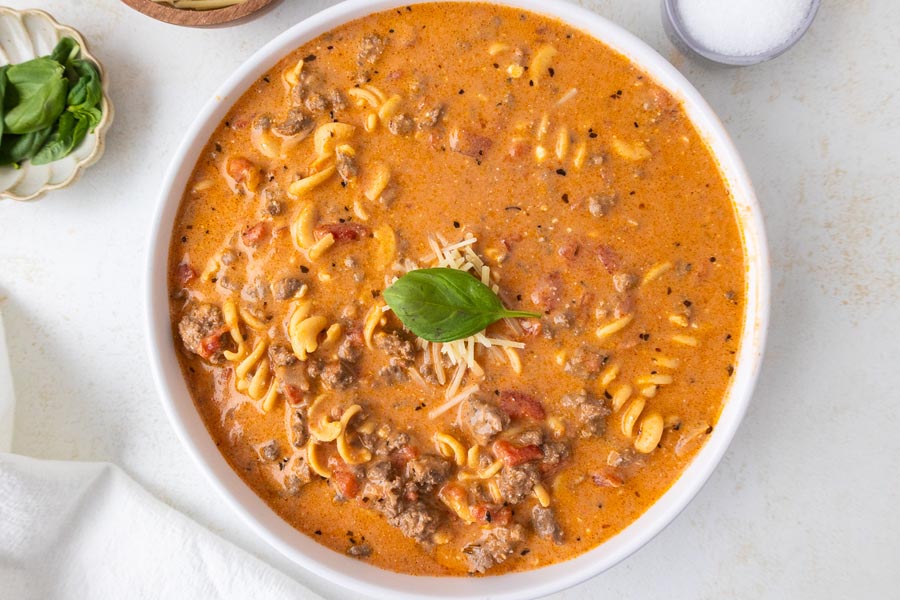
Ground Beef Favorites
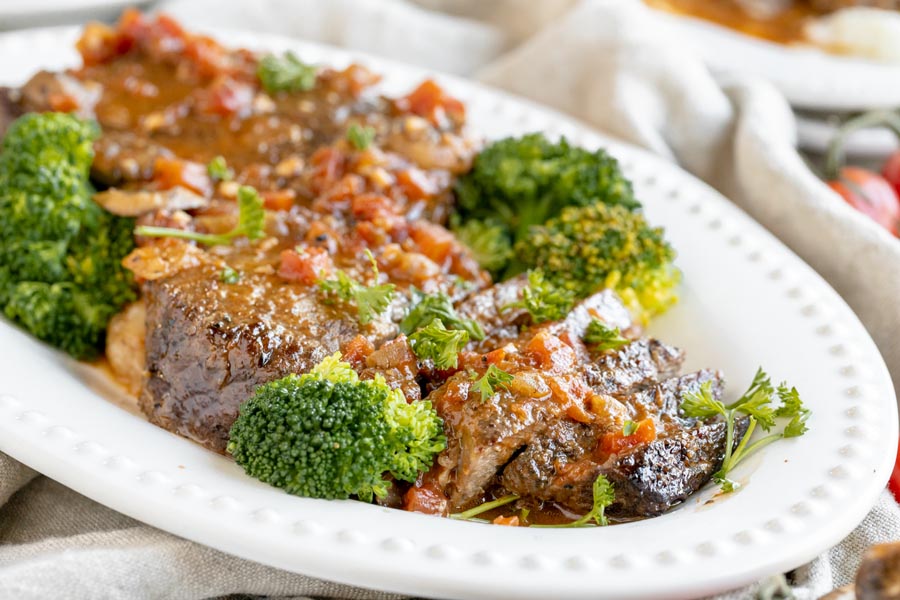
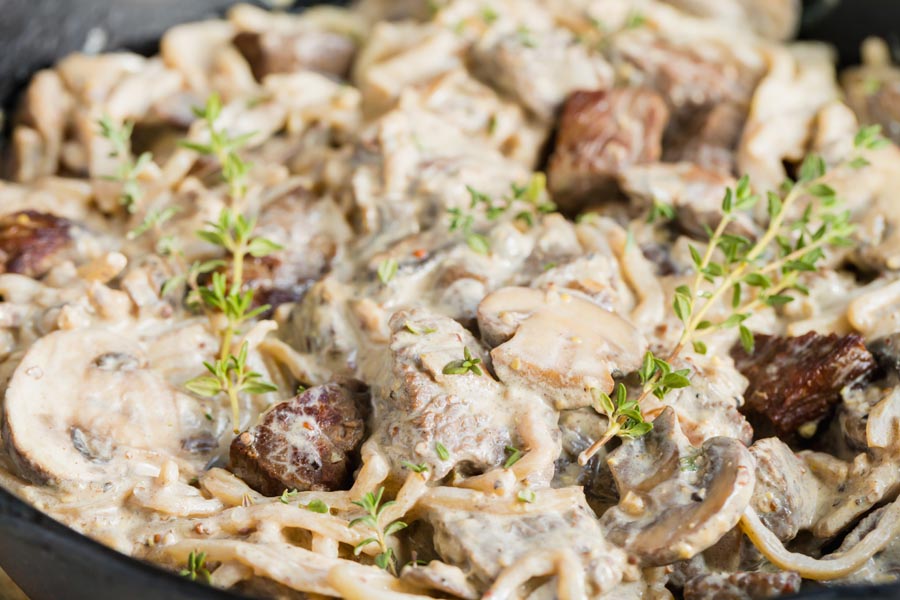
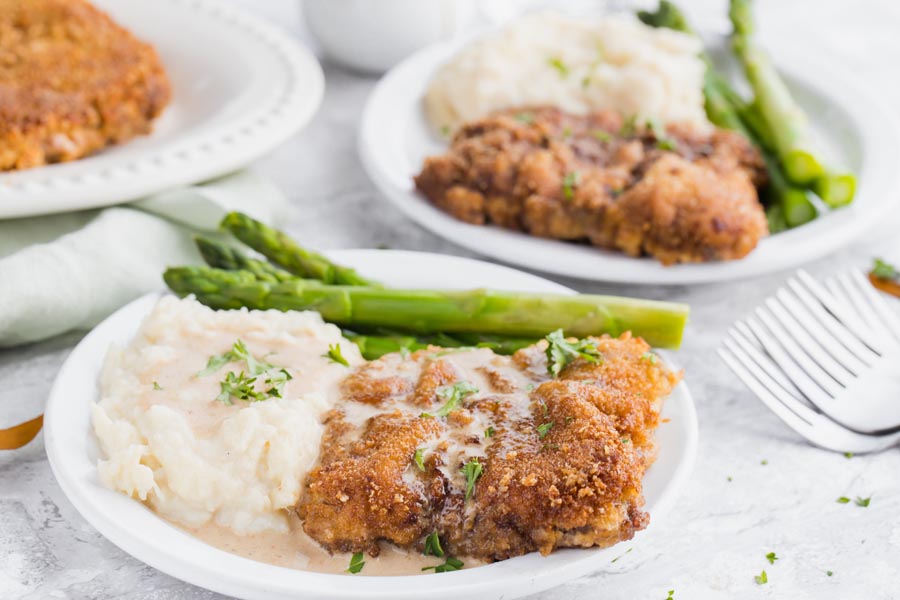
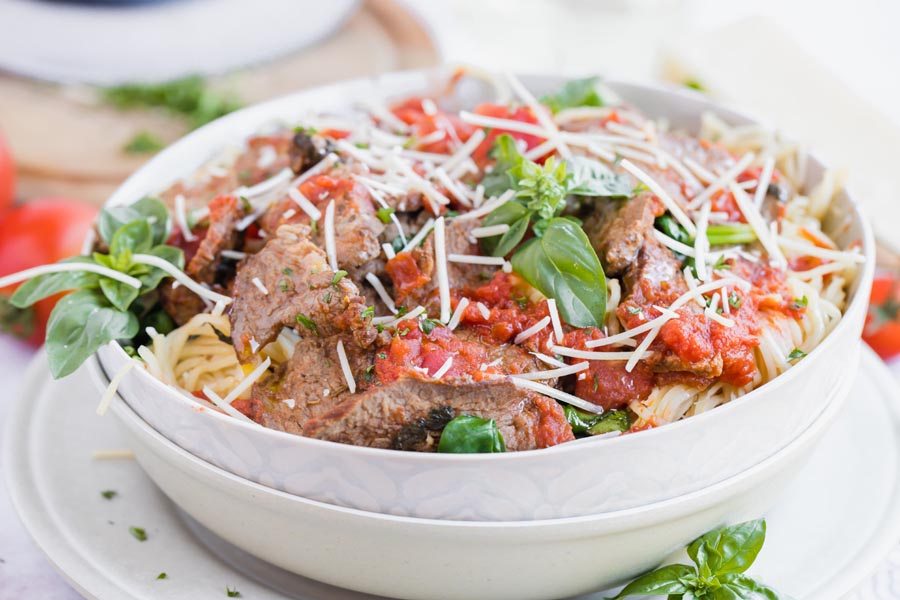
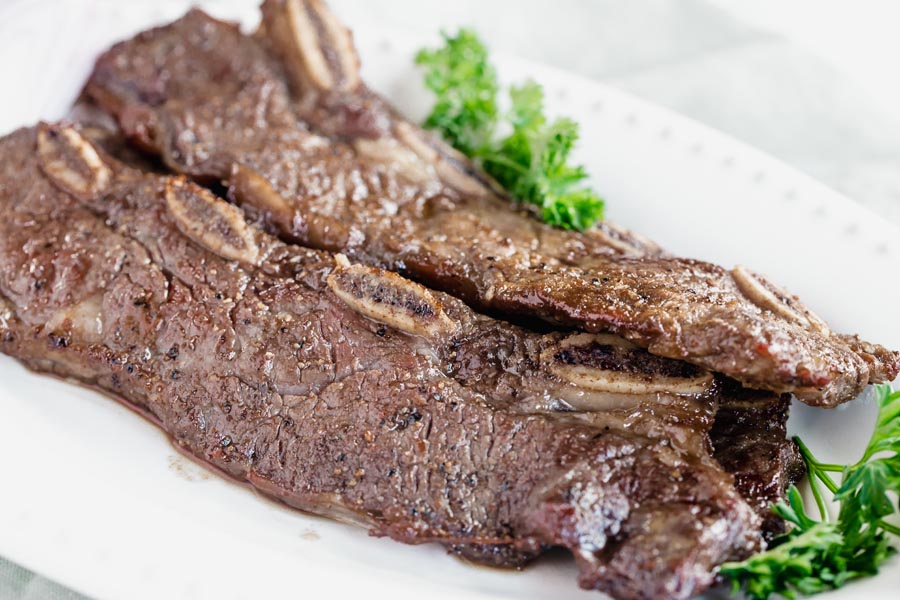
Steaks & Beef Tips
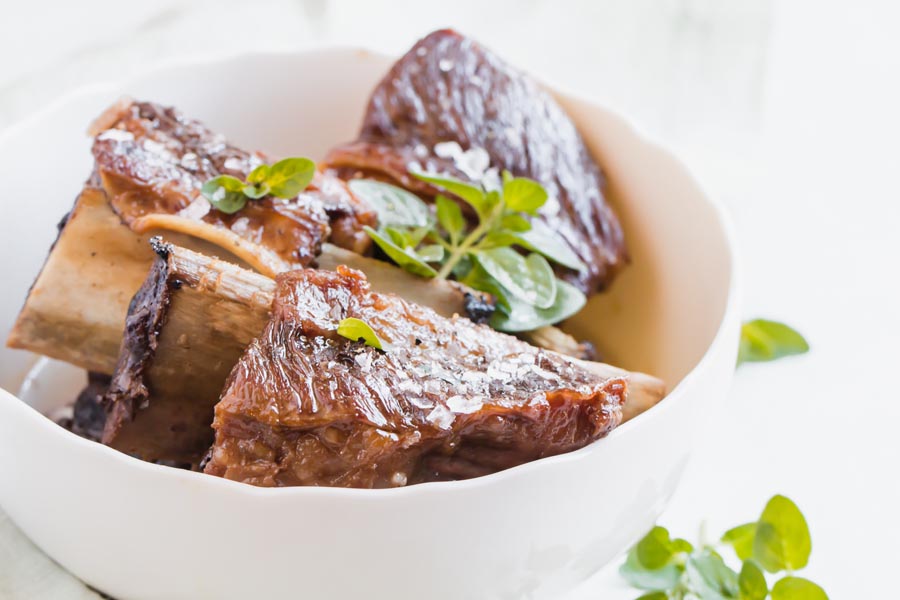
Roasts, Ribs & Brisket
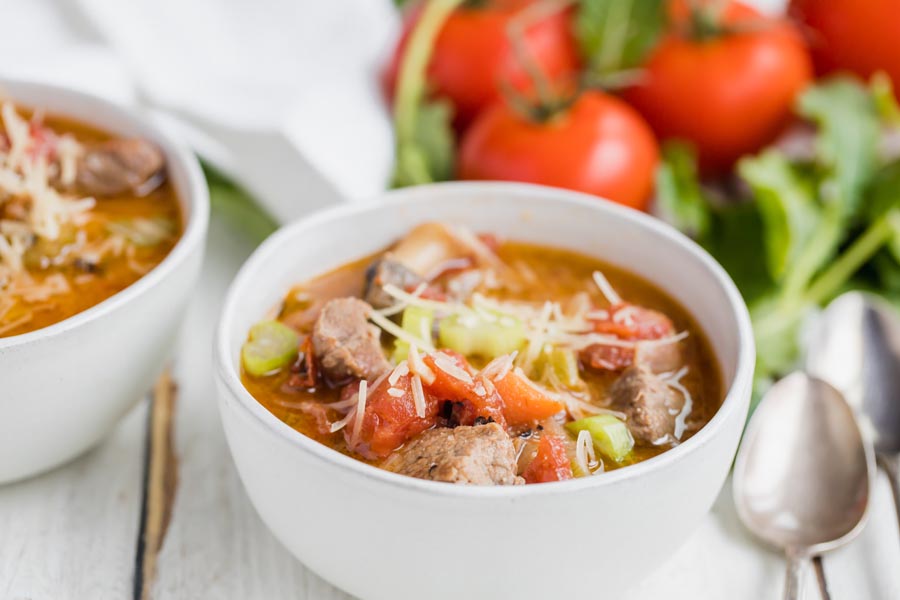
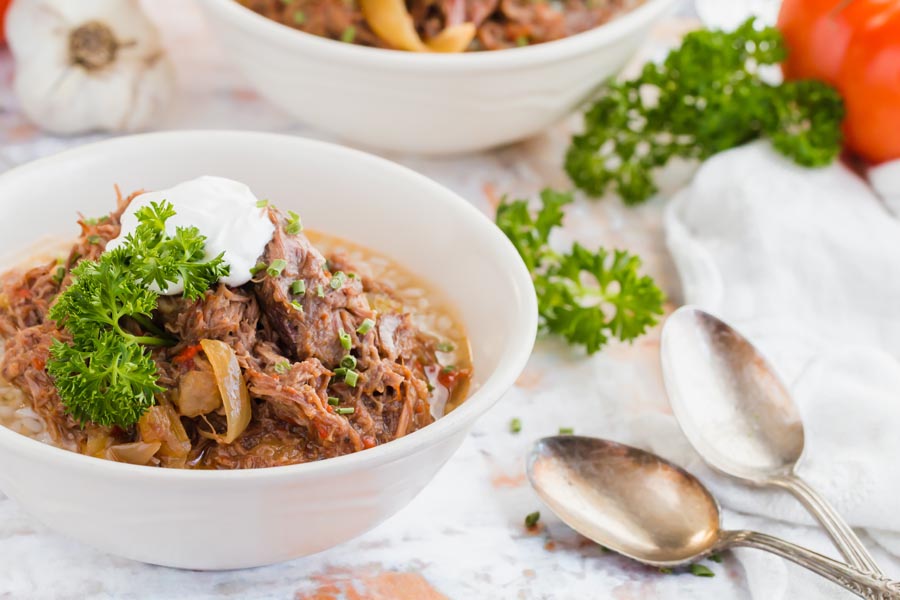
Stews & Slow Cooker
Browse all
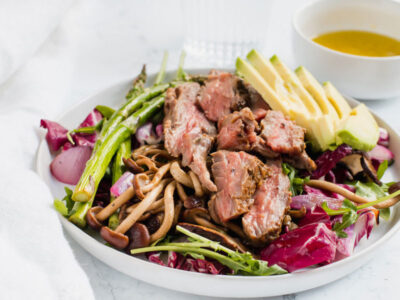
The beef guide
Is beef keto?
Yes, beef is keto-friendly. Ground beef, steaks, and roasts all have 0g net carbs. Beef is one of the most complete protein and fat sources available on a ketogenic diet, with no carb counting required for plain, unprocessed cuts.
Quick reference [1][3]
- Calories
- 218 per 3 oz
- Fat
- 14g
- Protein
- 22g
- Net carbs
- 0g
Using it
- Best for
- Slow cooker braises, steaks, roasts, stews
- How much to use
- Chuck roast is my slow cooker default. The connective tissue renders down into a silky, rich braise that leaner stew meat cannot match. For steaks, thickness matters more than cut; anything over an inch benefits from a reverse sear.
- Substitutes
- Ground bison is a near-perfect 1:1 swap with slightly leaner macros. For braised dishes, lamb shoulder works beautifully with similar cook times.
- Storage
- Raw ground beef: refrigerate 1 to 2 days or freeze. Steaks and roasts: refrigerate 3 to 5 days; freezer guidance is 4 to 12 months for quality. [2]
Beef shows up in my family's dinner rotation at least 3 nights a week. Ground beef on Mondays for a quick skillet meal. Chuck roast in the slow cooker on Sundays, which becomes two dinners and lunch the next day. Steaks on Friday when I want something worth sitting down for. Beef is the protein my family actually gets excited about, and on keto it works without modification: zero carbs, high fat, satisfying in a way that leaner proteins just are not by the end of a long day.
Chuck roast for the slow cooker
Chuck roast is the slow cooker cut, full stop. I have tried leaner stew meat, eye of round, and sirloin roasts in the slow cooker. They all come out dryer and less satisfying than chuck. The reason is connective tissue. Chuck roast has significant marbling and collagen-rich connective tissue that breaks down over a long braise into gelatin. That gelatin is what makes the braising liquid silky and the meat pull-apart tender. Leaner cuts lack the connective tissue, so they just dry out over 8 hours instead of getting richer. Season a chuck roast with salt, pepper, and garlic, add some beef broth and onion, and put it in the slow cooker on low for 8 hours. It is one of the best meals I make.
The reverse sear for thick steaks
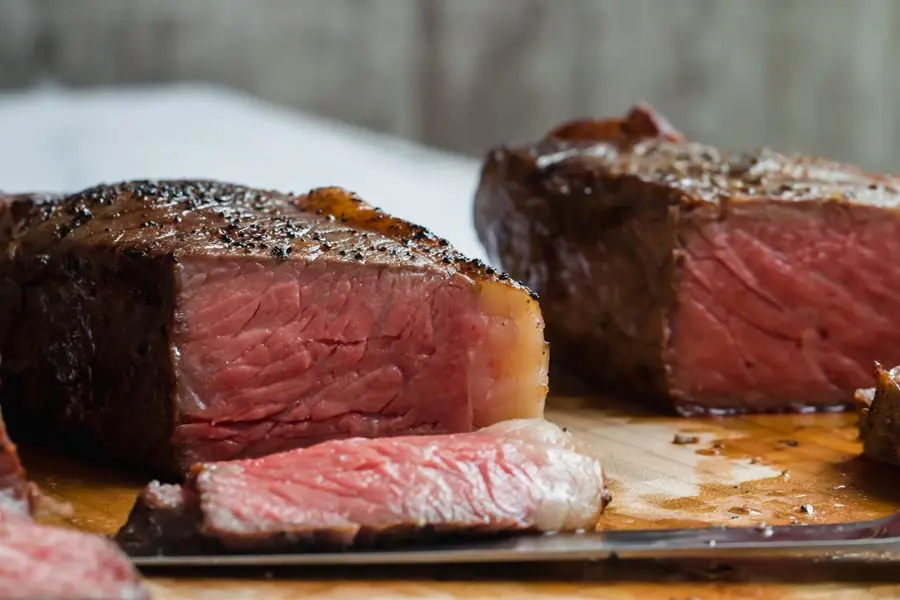
For a reverse sear, use a food thermometer rather than time or appearance alone. FoodSafety.gov advises cooking whole beef steaks to a finished internal temperature of 145°F and resting them for at least 3 minutes. An oven stage and final sear can be used to reach that endpoint, but timing varies with thickness and equipment. For thinner steaks, cooking time still varies; verify a finished internal temperature of 145°F with a food thermometer and rest the steak for at least 3 minutes.
Skip the pre-marinated cuts
The pitfall with beef at the grocery store is pre-seasoned and marinated cuts. The marinated skirt steak. The teriyaki-seasoned sirloin tips. The pre-rubbed short ribs. These are convenient, but the marinades often contain soy sauce with sugar, brown sugar-based rubs, or honey glazes. The carb count on these products can be 4 to 8g per serving, which is significant for a protein. Buy plain cuts and season them yourself. Salt and pepper is the correct answer for most beef preparations on keto.
Questions about Beef
Is beef keto?
Plain beef is very low in carbohydrate and can fit a ketogenic eating pattern. Fat and calorie values vary by cut, lean percentage, cooked yield, and serving size; added fat is not itself a guarantee of ketosis. Check the label on ground, marinated, seasoned, or sauced products because those ingredients can change the carbohydrate and sodium values.
[1][3]Is steak keto?
Yes. Plain steak has zero net carbs and is one of the best protein sources on keto. All cuts qualify: ribeye, New York strip, filet mignon, sirloin, flank, skirt, and flat iron. The differences are in fat content and price, not carb count. Ribeye is the fattiest and most flavorful. Filet mignon is the leanest and most tender. The only steak to avoid on keto is pre-marinated or sauce-seasoned steak from the grocery meat case, which often contains sugar-based marinades.
[1][3]Is beef jerky keto?
It depends on the product and portion. Compare serving size, total carbohydrate, added sugar, sodium, and ingredients on the current package. Flavor names can be clues but do not establish the nutrition values, and there is no universal 3-gram cutoff that determines whether jerky fits every person's target.
[3]What is the best cut of beef for the slow cooker?
Chuck roast, and it is not close. The marbling and connective tissue break down over a long braise into gelatin, which makes the meat pull apart tender and the braising liquid silky. Leaner cuts like eye of round or sirloin roast dry out over the same 8 hours because they have nothing to render.
Is roast beef keto?
Roast beef you cook at home from a plain cut is zero carb. Deli roast beef varies by brand; some add sugar or starch in the seasoning or glaze, so check the total carbohydrate line and ingredient list at the counter. The amounts are usually small per serving but they are not always zero.
[3]Nutrition and health note: Nutrition values are estimates and can vary by brand and serving size. This guide is for general information, not medical advice. Ask a qualified healthcare professional about dietary changes that may affect a health condition or medication.
Sources & notes 4 references
Show the references
-
USDA FoodData Central: ground beef, 80/20, cooked (opens in a new tab)
Nutrition: Food-composition search for the cooked 80/20 ground-beef form used in the guide.
-
FoodSafety.gov: Cold Food Storage Chart (opens in a new tab)
Storage: Refrigeration and freezer guidance for ground beef, steaks, chops, roasts, and leftovers.
-
FDA: Serving Size on the Nutrition Facts Label (opens in a new tab)
Nutrition and labeling: Packaged-food values apply to the labeled serving; compare the serving size and current product label because formulations vary.
-
FoodSafety.gov: Safe Minimum Internal Temperatures (opens in a new tab)
Storage and cooking safety: Whole beef steaks, roasts, and chops should reach 145°F and rest for at least 3 minutes; ground beef should reach 160°F.