 Pharm.D., recipe developer
Updated
Pharm.D., recipe developer
Updated
Written by a pharmacist and recipe developer who has followed keto for 14 years. More about Annie →
Keto Cream Cheese Recipes I Make Every Week
Full-fat cream cheese is the backbone of keto baking, from fat head dough to cheesecake. Buy the block, not the whipped tub.
Is cream cheese keto?
Plain full-fat cream cheese can fit a ketogenic eating pattern. The cited USDA form provides about 1.6g carbohydrate per ounce; brands, flavors, whipped products, serving sizes, and label rounding vary.
Quick reference [1][4]
- Calories
- 99 per 1 oz
- Fat
- 10g
- Protein
- 2g
- Net carbs
- 1.6g
Using it
- Best for
- Fat head dough, cheesecake, dips, frostings
- How much to use
- I always soften cream cheese to room temperature before mixing — cold cream cheese leaves lumps in everything from cheesecake to fat head dough. For sauces, I cube it small and let it melt on low heat. Full-fat block cream cheese only, never the tub spread.
- Substitutes
- Mascarpone works in most recipes but is richer and more expensive. For dairy-free, coconut cream cheese holds up in dips but not in baking.
If I could only keep one dairy product for keto baking, it would be cream cheese. The cited form has about 1.6g carbohydrate per ounce, so I count the amount used, and it does more jobs than anything else in my fridge. But the form you buy matters, and so does the way you handle it.
The block beats the tub, every time
Buy the foil-wrapped block, not the whipped or spreadable tub. Whipped cream cheese has air beaten into it, which throws off measurements in baking, and the flavored spreadable tubs (strawberry, honey nut, garden vegetable) add carbs and sometimes sugar. The block is just cultured cream and a little salt. It melts cleaner, mixes denser, and bakes the way a recipe expects.
The two roles it never gives up
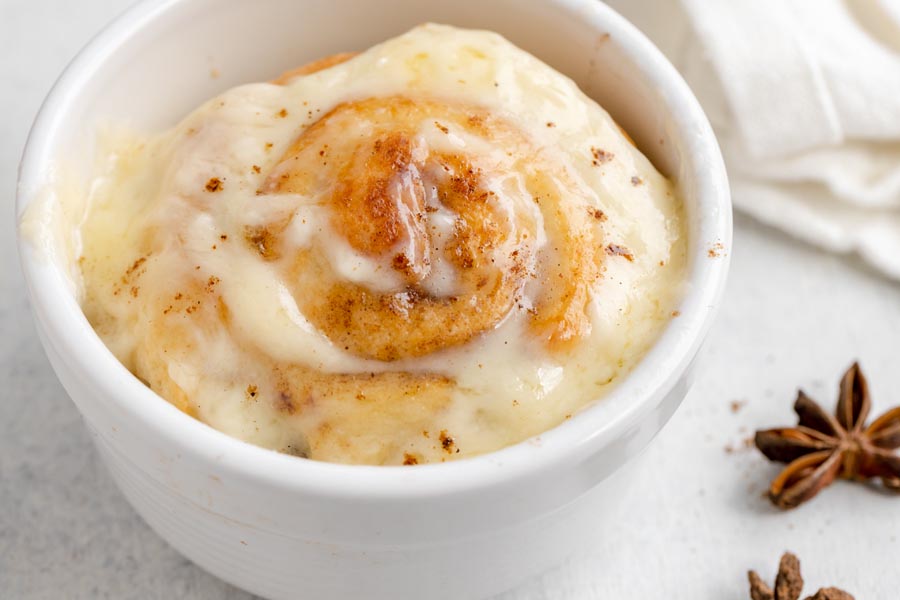
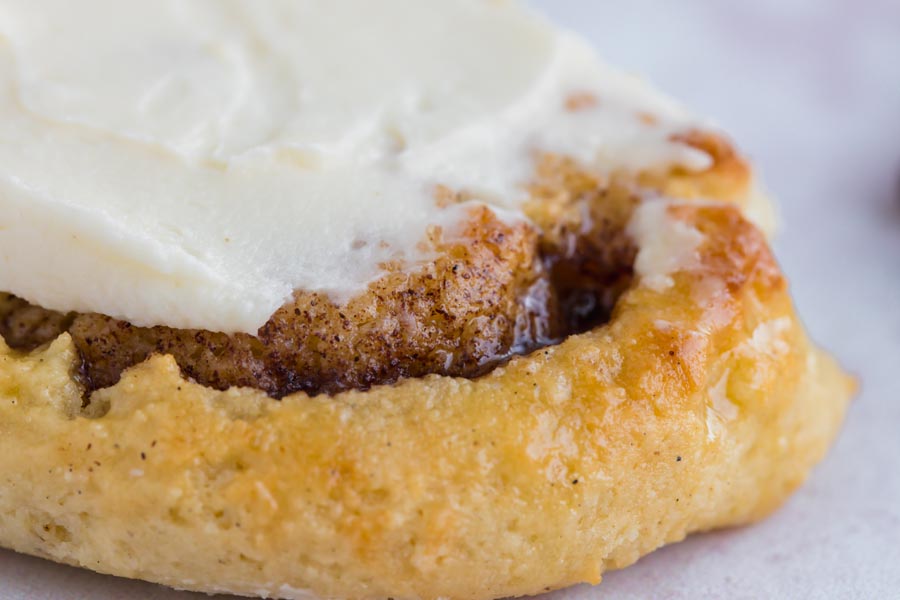
Cream cheese is half of fat head dough: combined with shredded mozzarella it becomes the base for keto bagels, pizza crust, and cinnamon rolls. It is also what makes keto cheesecake taste like actual cheesecake instead of a sad almond-flour imitation. These two roles alone are why I always have two blocks on hand. Once you have a reliable fat head dough in your back pocket, a lot of "I miss bread" complaints quietly go away.
Soften it or fight lumps forever
This is the tip I repeat the most: bring cream cheese to room temperature before you mix it. Cold cream cheese leaves lumps in everything, from cheesecake batter to frosting to fat head dough, and no amount of beating fully smooths them out once they have set. Pull the block out an hour ahead, or microwave it in 15-second bursts if you forgot. For sauces, cube it small and let it melt on low heat instead of dumping the whole block in at once.
Skip the low-fat versions
Full-fat block cream cheese is my default for recipes developed with it because changing the fat and moisture can change texture. Neufchâtel, reduced-fat, whipped, and tub products vary by formulation; compare their labels and use the form the recipe specifies rather than assuming one version always has more carbohydrate.
Annie’s go-to brands
- Philadelphia Original (block)
- Organic Valley
- Store-brand full-fat block
Questions about Cream Cheese
Is cream cheese keto?
How many carbs are in cream cheese?
Is whipped cream cheese keto?
Whipped cream cheese is still low in carbs, but it is not ideal for keto cooking. The air beaten into it makes volume measurements unreliable, so it throws off baking recipes that expect a dense block. Flavored whipped tubs also tend to add sugar. For spreading on a keto bagel it is fine; for fat head dough, cheesecake, or anything you bake, use the solid full-fat block.
[1][4]What keto recipes use cream cheese?
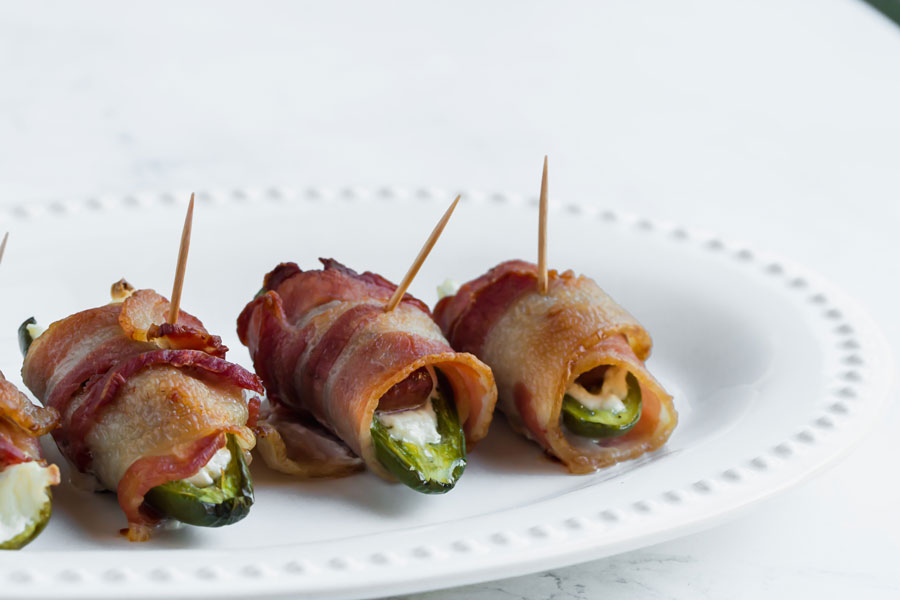
Cream cheese is one of the most-used ingredients in keto baking. It is half of fat head dough, which becomes keto bagels, pizza crust, and cinnamon rolls. It is the base of keto cheesecake and cheesecake fluff. It thickens sauces, fills jalapeno poppers, and binds low-carb dips. If a keto recipe needs structure plus fat without added carbs, cream cheese is usually involved.
Is low-fat cream cheese keto?
It can fit if its labeled serving and total carbohydrate fit your plan. Full-fat block cream cheese is usually the most predictable choice in recipes developed with it, while reduced-fat, Neufchâtel, whipped, and tub products can change texture and vary by formulation. Compare the label and follow the recipe rather than applying one rule to every product.
[1][4]Nutrition and health note: Nutrition values are estimates and can vary by brand and serving size. This guide is for general information, not medical advice. Ask a qualified healthcare professional about dietary changes that may affect a health condition or medication.
Sources & notes 5 references
Show the references
-
USDA FoodData Central: cream cheese (opens in a new tab)
Nutrition: The cited plain full-fat form provides about 1.6 grams carbohydrate per ounce; formulations and serving sizes vary.
-
USDA FSIS FoodKeeper data catalog (opens in a new tab)
Storage: Primary USDA-developed FoodKeeper record for refrigerated and frozen cream cheese.
-
Nebraska Extension: Home Food Storage (opens in a new tab)
Storage reference: Readable supporting chart lists cream cheese at about 2 weeks refrigerated and does not recommend freezing for best quality.
-
FDA: Serving Size on the Nutrition Facts Label (opens in a new tab)
Nutrition and labeling: Packaged-food values apply to the labeled serving; compare the serving size and current product label because formulations vary.
-
American Heart Association: Saturated Fats (opens in a new tab)
Nutrition and health: Saturated-fat guidance and the importance of the overall eating pattern and individual cardiovascular risk.
More Keto Ingredients
116 recipes with Cream Cheese
Most popular
Dessert
Dinner

Breakfast
Appetizers
Sides
Lunch
Condiments & Dressings
Browse all