 Pharm.D., recipe developer
Updated
Pharm.D., recipe developer
Updated
Written by a pharmacist and recipe developer who has followed keto for 14 years. More about Annie →
Keto Almond Flour Recipes I Bake on Repeat
After more than 150 keto bakes, I can tell you the one thing that decides whether your recipe works: which almond flour you bought, before you ever turn on the oven.
Is almond flour keto?
Almond flour can fit a ketogenic eating pattern. The displayed Bob’s Red Mill product label provides 3g total carbohydrate and 2g fiber, or about 1g net carbohydrate, per 2 tablespoons. Brands and serving sizes vary, so use the package in hand.
Quick reference [1][3]
- Calories
- 80 per 2 tbsp
- Fat
- 6g
- Protein
- 4g
- Net carbs
- 1g
Using it
- Best for
- Baking, breading, thickening sauces
- How much to use
- Almond flour cannot be converted from all-purpose flour with one dependable ratio. It has no gluten and behaves differently, so liquid, eggs, fat, leavening, and bake time need recipe-specific testing. For reliable results, use a recipe developed for almond flour and choose blanched, super-fine flour when that is what the recipe specifies.
- Substitutes
- Sunflower seed flour is often the closest nut-free starting substitute by volume, but it is not guaranteed to work 1:1 in every recipe. Absorption, texture, and browning can change, so test the specific recipe. It can also turn some baked goods green through a harmless reaction with baking soda.
- Storage
- Keep almond flour tightly sealed and follow the package's pantry, refrigerator, or freezer directions because shelf life varies by product. [2]
How to Bake With Almond Flour
After 150+ keto bakes, here is everything that decides whether an almond flour recipe works: the right type to buy, the conversion ratio, how it handles moisture, and how to store it. (Wondering about carbs? Is almond flour keto? →)
I have tested almond flour in over 150 keto recipes. Cookies, cakes, bread loaves, pizza crusts, muffins, chicken coatings, pie crusts, pancakes. At this point I have a very clear picture of what it can do and, more importantly, where it fails. The single most important thing I can tell you before you buy any almond flour: the type you buy determines whether your recipe works or turns into a grainy, crumbly disappointment.
Blanched super-fine, not almond meal
Blanched super-fine almond flour and almond meal are not the same product. Blanched means the skins have been removed before grinding. Super-fine means the grind is very fine and consistent, close to the texture of all-purpose flour. Almond meal is made from whole almonds with the skins on, ground more coarsely. The difference in baking is significant: almond meal produces dense, grainy baked goods with a speckled brown appearance. Blanched super-fine almond flour produces soft, uniform crumb. If your keto cookies keep coming out gritty or crumbling apart, this is almost certainly the reason. I use blanched super-fine exclusively for every baked application.
The conversion ratio that actually works
There is no dependable universal conversion from all-purpose flour to almond flour. Almond flour has no gluten and behaves differently, so eggs, liquid, fat, leavening, pan size, and bake time may all need adjustment. A recipe developed for almond flour is more reliable than applying one ratio to an untested wheat-flour recipe.
How it handles moisture
Moisture absorption is different from all-purpose flour in one important direction: almond flour absorbs less liquid. All-purpose flour has starch that swells when it hits liquid. Almond flour does not. This means keto batters often look wetter than you expect and keto baked goods can feel underdone when they first come out of the oven. Let them cool completely before cutting. The texture firms up as they cool, not while they are hot.
Follow the package storage directions
Keep almond flour tightly sealed and follow the package directions for pantry, refrigerator, or freezer storage because shelf life varies by product. Discard it if it develops an off odor, flavor, or visible spoilage. If the package recommends frozen storage, let the measured flour lose its chill before mixing when the recipe depends on room-temperature ingredients.
Annie’s go-to brands
- Bob's Red Mill Super-Fine Almond Flour
- Anthony's Blanched Almond Flour
- Blue Diamond Almond Flour
Questions about Almond Flour
Is almond flour keto?
How does almond flour compare to regular flour in carbs?
The displayed almond-flour product is lower in total carbohydrate than a comparable volume of all-purpose flour, but exact values depend on the two products and serving weights being compared. Check both current labels. Almond flour also behaves differently because it has no gluten, so a numerical carb comparison does not make it a 1:1 baking substitute.
[1][3]Can you substitute almond flour 1:1 for all-purpose flour?
No. Almond flour has no gluten and does not absorb liquid like all-purpose flour, so there is no dependable universal conversion. Eggs, liquid, fat, leavening, and bake time may all need adjustment. Use a recipe developed for almond flour whenever possible.
[1]Is almond meal the same as almond flour?
No. Almond meal is made from whole almonds (skins on) ground to a coarser texture. Almond flour is made from blanched almonds (skins removed) ground to a fine, uniform consistency. In baking, almond meal produces gritty, dense, and speckled results. Blanched super-fine almond flour produces smooth, soft crumb. Always check the label: the product should specify "blanched" and ideally "super-fine" or "finely ground." If the bag says "almond meal" or does not specify blanched, the texture will not be right for most recipes.
[1]How do you store almond flour?
Keep almond flour tightly sealed and follow the package's pantry, refrigerator, or freezer directions because shelf life varies by product. Discard it if it develops an off odor, flavor, or visible spoilage rather than relying on one storage duration for every brand.
[2]Nutrition and health note: Nutrition values are estimates and can vary by brand and serving size. This guide is for general information, not medical advice. Ask a qualified healthcare professional about dietary changes that may affect a health condition or medication.
Sources & notes 3 references
Show the references
-
Bob’s Red Mill: Almond Flour (opens in a new tab)
Nutrition: Current manufacturer label for the displayed 2-tablespoon serving: 80 calories, 6 grams fat, 4 grams protein, 3 grams total carbohydrate, and 2 grams fiber.
-
USDA FSIS FoodKeeper data catalog (opens in a new tab)
Storage: USDA provides downloadable FoodKeeper storage data; follow the package directions for the specific almond-flour product.
-
FDA: Serving Size on the Nutrition Facts Label (opens in a new tab)
Nutrition and labeling: Packaged-food values apply to the labeled serving; compare the serving size and current product label because formulations vary.
More Keto Ingredients
157 recipes with Almond Flour
Most Popular
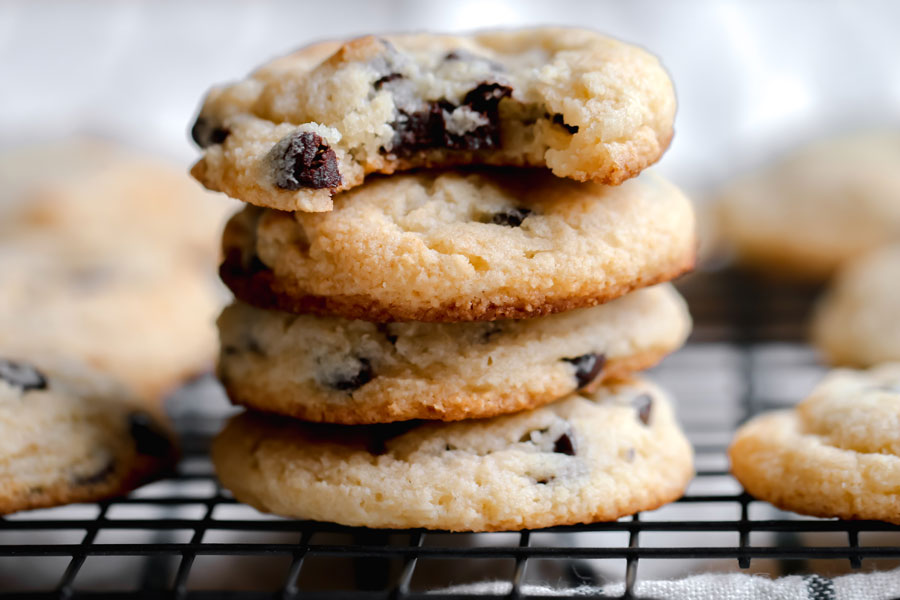
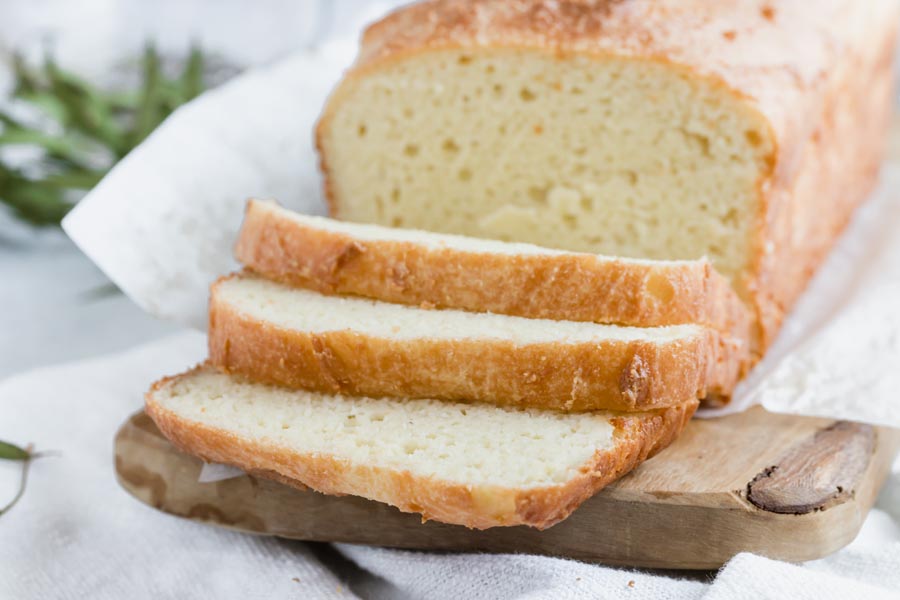

Cookies & Bars
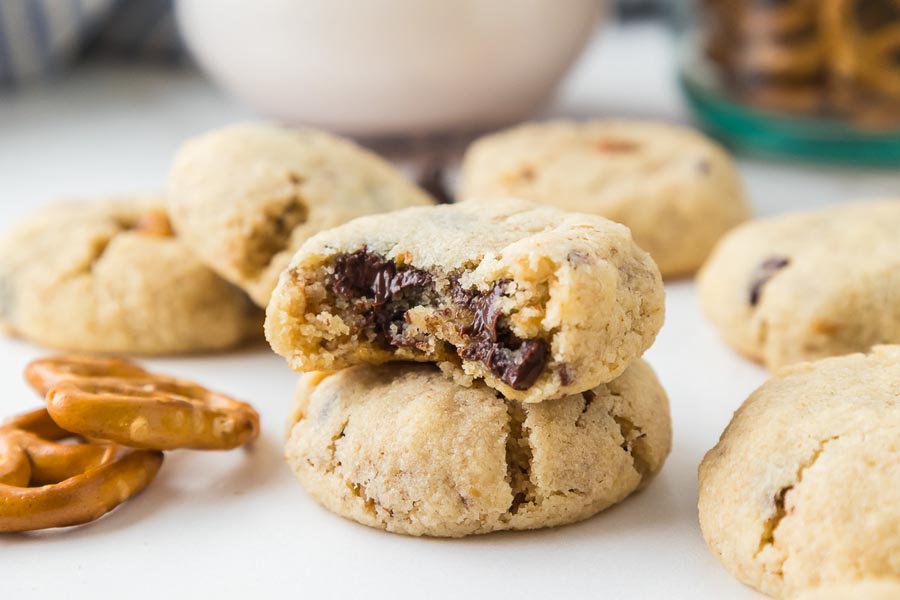


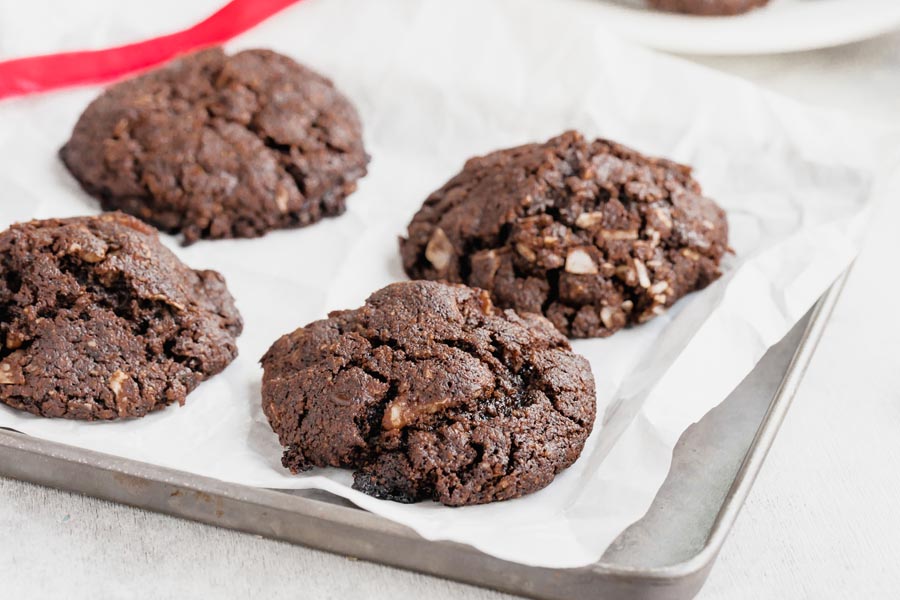


Breads & Muffins

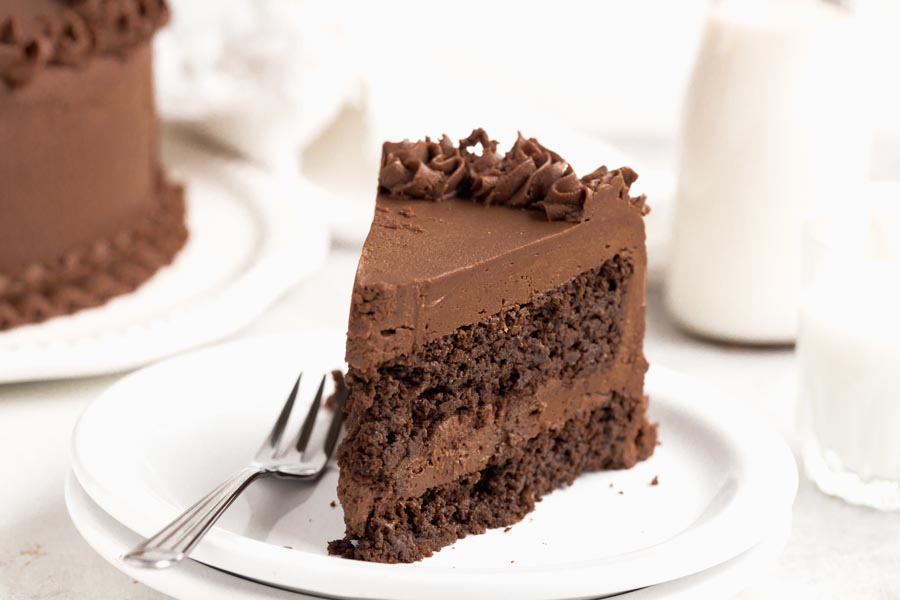
Cakes & Cupcakes


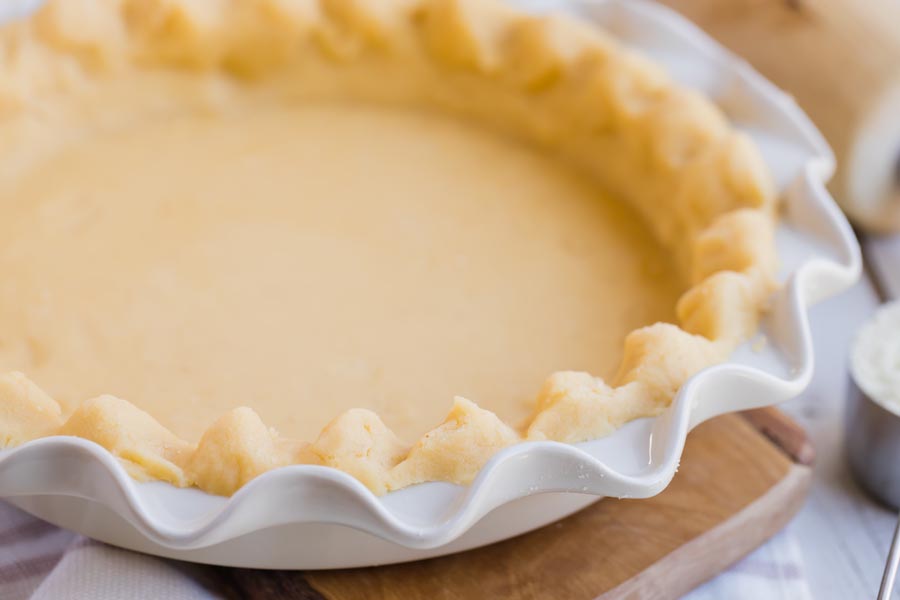
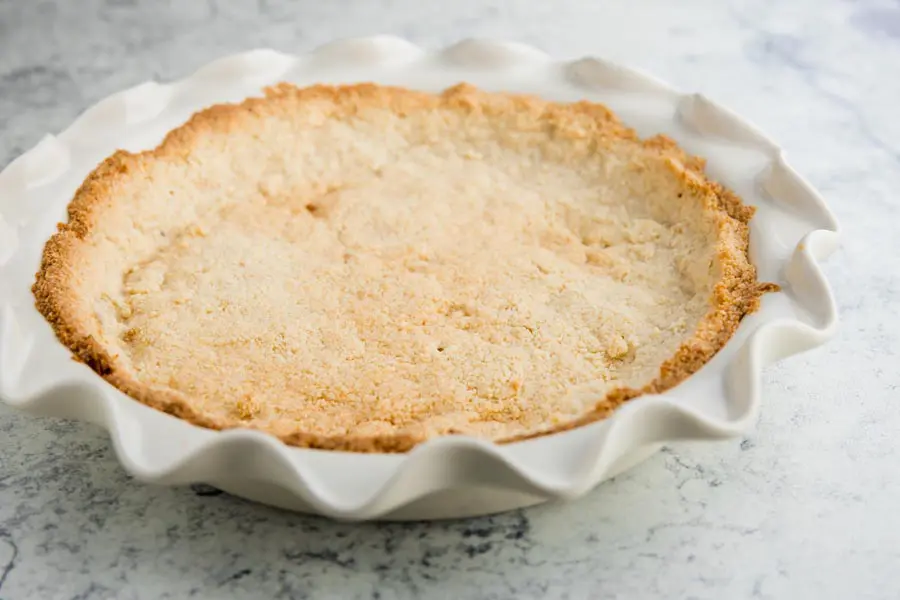
Pizza Crusts & Breading




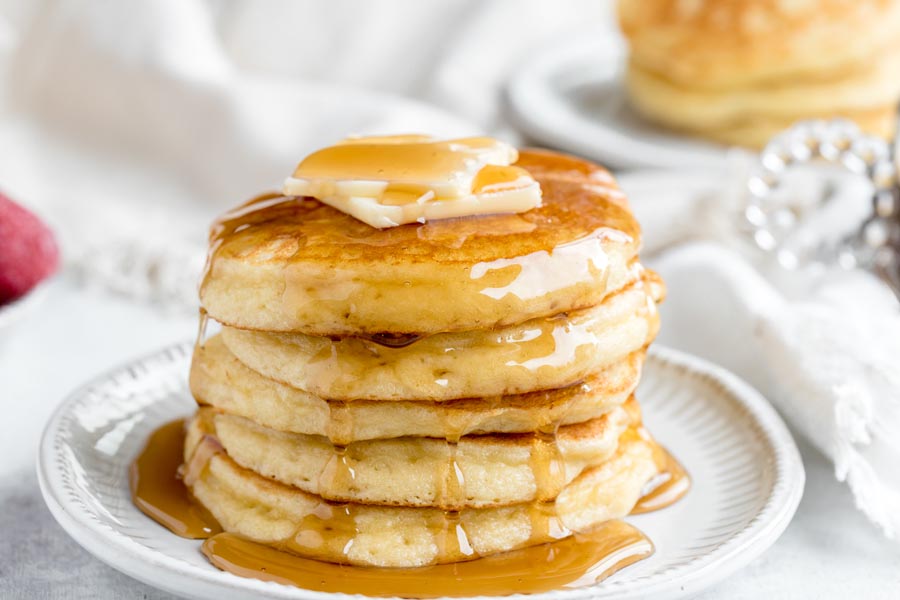
Pancakes & Breakfast




Browse all