Editorial Standards
Last reviewed August 26, 2026
- 593 Recipes That Didn’t Make the Cut
- 1,369 Hours of Video Footage
- 6,689 Food Photos Taken
I’m Annie Lampella, a Doctor of Pharmacy and the person behind every recipe on KetoFocus. I started this site because most keto recipes I found either didn’t work or weren’t honest about their numbers. This page lays out exactly how I develop a recipe, how I calculate its nutrition, and where the science behind my keto guidance comes from. If you ever want to check my work, this is the page that shows it.
How a Recipe Earns a Spot on This Site
Every recipe goes through three to seven rounds of testing in my own kitchen before it gets published. Sometimes I test several versions side by side to compare them, and sometimes I go back for a fresh round after one fails. I cook it, adjust it, and cook it again until the flavor, the texture, and the macros are all right. If it doesn’t get there, it doesn’t go up. For every recipe you see, there are others that failed and never made it past my counter.
The last test is the hardest one. If my kids and my husband won’t eat it, it isn’t done. They’re the most honest taste testers I have, and they don’t care that a recipe is keto. It has to actually taste good.
When a method or an ingredient matters to how the dish turns out, I tell you why in the recipe itself, not just what to do. Understanding the reason is what makes you a better cook, and it’s the part my pharmacy and science background lets me explain.
How I Calculate the Numbers on Every Recipe
You deserve to know where the macros come from. Here’s my method, the same one on every recipe card:
- Per serving, in MyFitnessPal. Calories, protein, fat, total carbs, and net carbs are calculated per serving using MyFitnessPal’s nutritional database.
- Net carbs. I subtract fiber and sugar alcohols from total carbs. Sugar alcohols are counted as carbohydrates on a label, but most have little impact on blood sugar, which is why they come out of the net number.
- What’s not counted. Optional ingredients, toppings, and garnishes are left out of the macros.
- These are estimates. Different brands and cooking methods change the final counts. If you’re tracking for a strict medical goal, calculate your own macros from the exact products you use.
For the underlying nutrition data, MyFitnessPal and I both lean on the same authoritative reference dietitians use: the USDA’s FoodData Central. The Keto Macro Calculator on this site uses the Mifflin St Jeor equation for your baseline calorie needs, the same formula used in clinical nutrition.
Where the Science Comes From
KetoFocus is a recipe site, not a medical practice, and nothing here is medical advice. But I do make claims about nutrition and how the body responds to food, and those claims should be backed by something better than an opinion. Here’s the standard I hold them to:
- Primary sources first. When I state something about nutrition, metabolism, or health, I base it on peer reviewed research, government health bodies, or professional clinical guidelines, and I link to them so you can read the source yourself.
- I match the language to the evidence. A finding from a large controlled trial gets stated more firmly than something early or mixed. If the science isn’t settled, I say so.
- My training, used honestly. My Pharm.D. and my background in genetics and hunger hormone research are why I can read and interpret this research. They don’t make me your doctor. For anything tied to a medical condition, medication, or pregnancy, talk to yours.
See my full disclosure policy for advertising and affiliate relationships.
When We Get Something Wrong
Nutrition science changes, and so do I. If new evidence changes a recommendation, I update the page and note when. Every recipe and guide shows when it was last updated.
If you spot an error, in a macro count, an ingredient, or a health claim, email me at info@ketofocus.com and I’ll look into it. Real corrections get fixed, and I’m grateful for the people who send them.
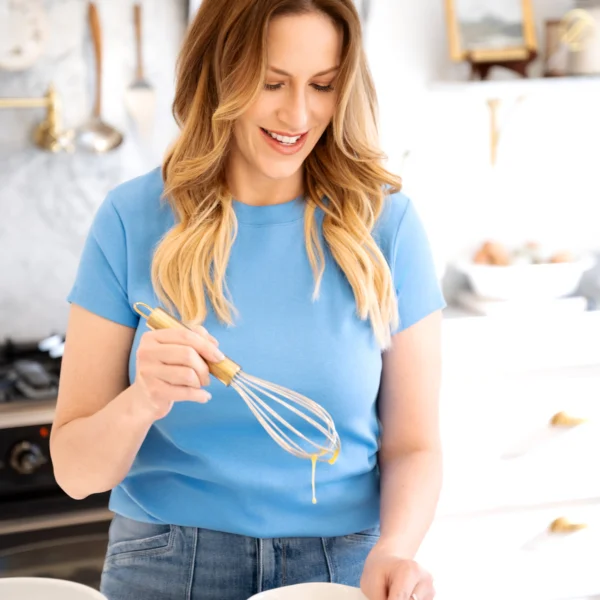
Who’s Behind This
Everything on KetoFocus is written and reviewed by me, Annie Lampella, Pharm.D. I hold a Doctor of Pharmacy degree (magna cum laude) from the University of the Pacific and a B.S. in Genetics from UC Davis, and I researched hunger hormones before turning to recipe development. I’ve eaten this way for more than fourteen years, and I wrote the cookbook Protein Packed, published by Victory Belt and distributed by Penguin Random House.
Sources We Rely On
The authoritative references behind our nutrition data and health guidance:
- USDA FoodData Central — the federal nutrient database behind our per serving macros.
- NIH Office of Dietary Supplements — for vitamin and nutrient guidance in our ingredient pages.
- PubMed (National Library of Medicine) — the peer reviewed research we cite for health claims.
- Mifflin MD, St Jeor ST, et al. (1990), Am. J. Clin. Nutr. — the resting energy equation in our Macro Calculator.
- FDA Nutrition Facts Label guidance — the basis for how we treat fiber and sugar alcohols in net carbs.