 Pharm.D., recipe developer
Updated
Pharm.D., recipe developer
Updated
Written by a pharmacist and recipe developer who has followed keto for 14 years. More about Annie →
Keto Bacon Recipes for Every Meal
Yes, you can eat bacon. The more useful question is how you cook with it, because bacon makes almost everything else on the plate better.
Is bacon keto?
Bacon can fit a ketogenic eating pattern, but carbohydrate, sodium, saturated fat, curing ingredients, and serving sizes vary. The displayed cooked reference rounds to about 0.6g carbohydrate per three slices. Check the current package rather than assuming plain, flavored, or "no added sugar" bacon is always zero.
Quick reference [1][4]
- Calories
- 161 per 3 slices
- Fat
- 12g
- Protein
- 12g
- Net carbs
- 0.6g
Using it
- Best for
- Wraps, toppers, fat bombs, breakfast
- How much to use
- No conversion needed — bacon is already one of the most keto-friendly ingredients out there. The one thing I watch is added sugars; some brands cure with sugar or honey, which bumps up the carbs. Check the label and aim for less than 1g of carbs per serving. I save my bacon grease in a jar by the stove — it's the best fat for sautéing vegetables.
- Substitutes
- Turkey bacon works for lower-calorie needs (fewer carbs, but also less fat). Pancetta is a closer flavor match for Italian-style recipes.
- Storage
- Most commercially packaged bacon: refrigerate at 40°F or below and use within 7 days of purchase, or freeze. Follow an earlier package use-by date when provided. Cooked bacon: refrigerate 4 to 5 days. [2]
New to keto? Short answer: yes, bacon is keto, with carbohydrate values that vary by product and serving; the cited form is about 0.6g per three slices. Full breakdown: Is bacon keto? →
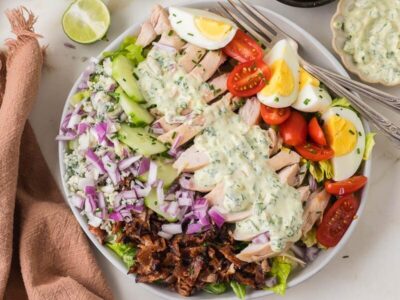
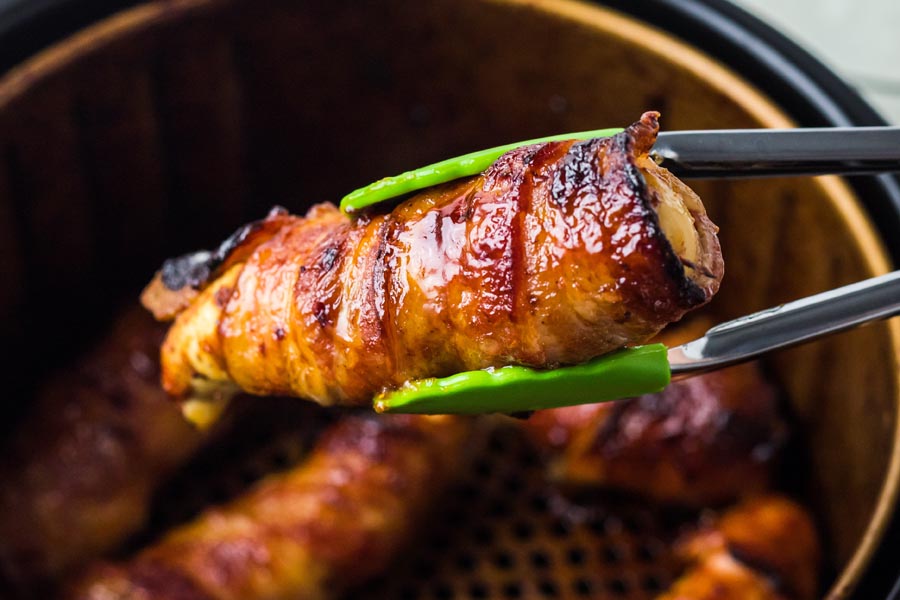
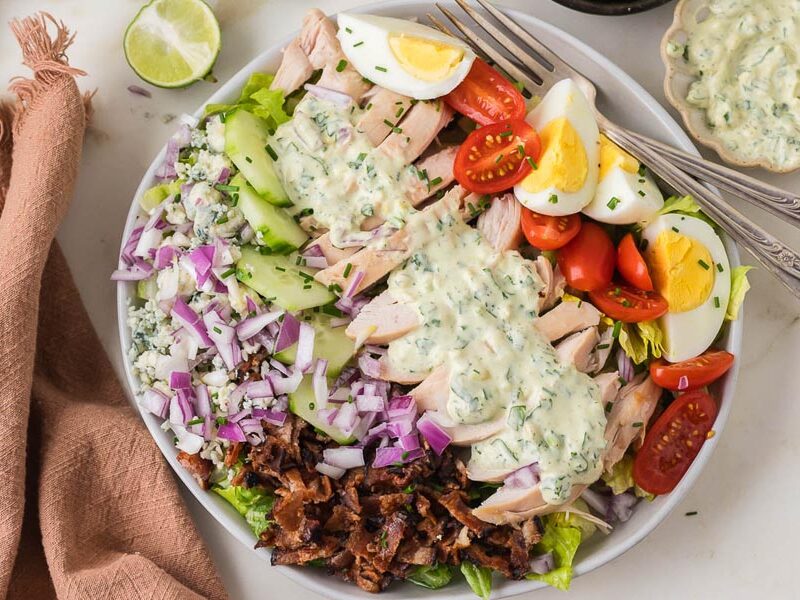
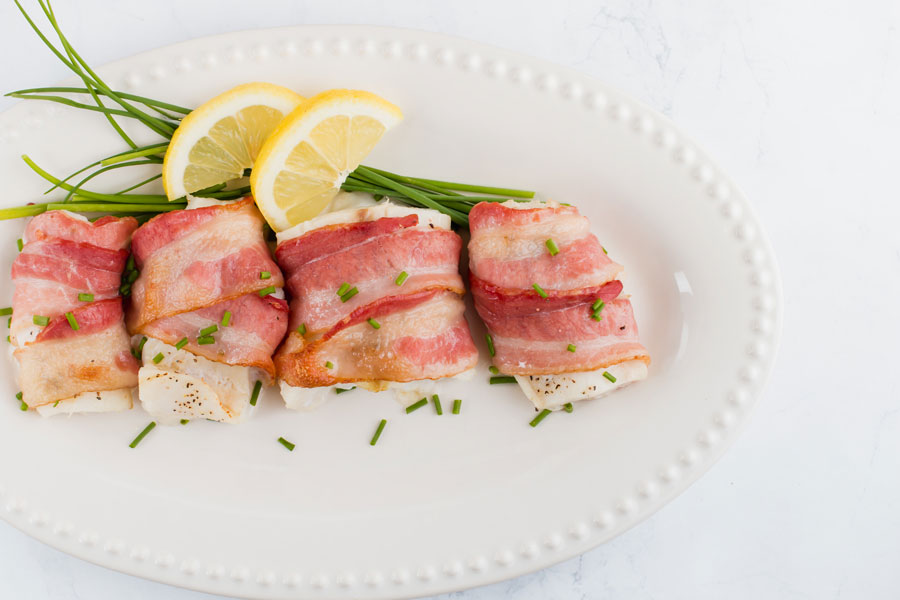
Bacon is the first thing people mention when they find out I eat keto. "You can eat bacon? Sold." And yes, you can eat bacon, but the way I cook with it has less to do with piling slices on a plate and more to do with using it as a flavor-building tool that improves almost everything else on the menu. Bacon-wrapped shrimp, bacon crumbled into a salad, bacon fat used to sear a steak, bacon bits stirred into a cream sauce. Bacon as ingredient, not just as centerpiece.
The sugar trap nobody checks for
The sugar trap is real, and it catches people who are not paying attention. Bacon is cured meat. Curing almost always involves salt, nitrates, and something for sweetness. That something varies by brand. Cures and flavors vary by product, and front-label phrases do not replace the Nutrition Facts and ingredient lists. Compare the serving size, total carbohydrate, added sugar, sodium, and ingredients on the package you will eat. Whether that portion fits depends on the rest of your eating pattern; there is no universal 1-gram or 2-gram cutoff that makes a bacon product "clean."
Buy thick-cut
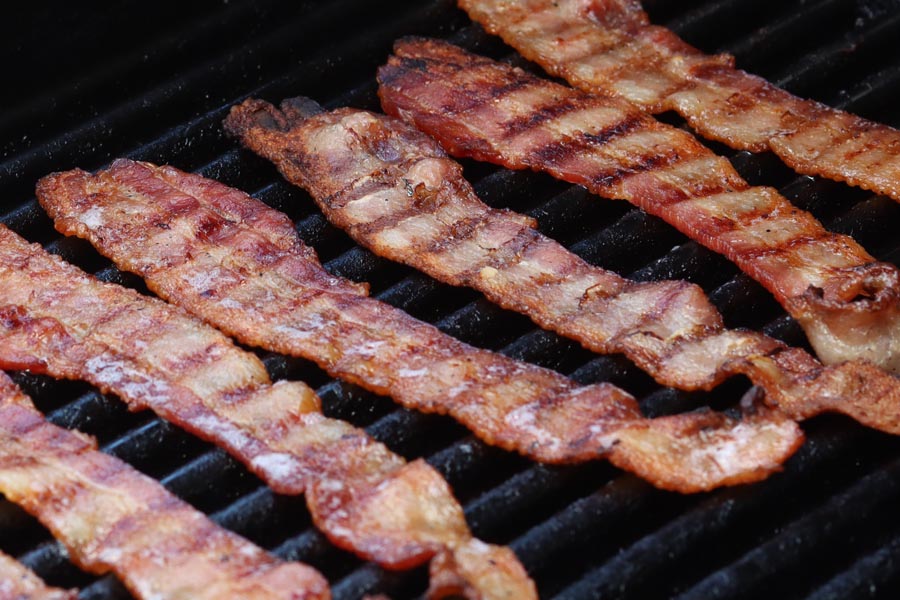
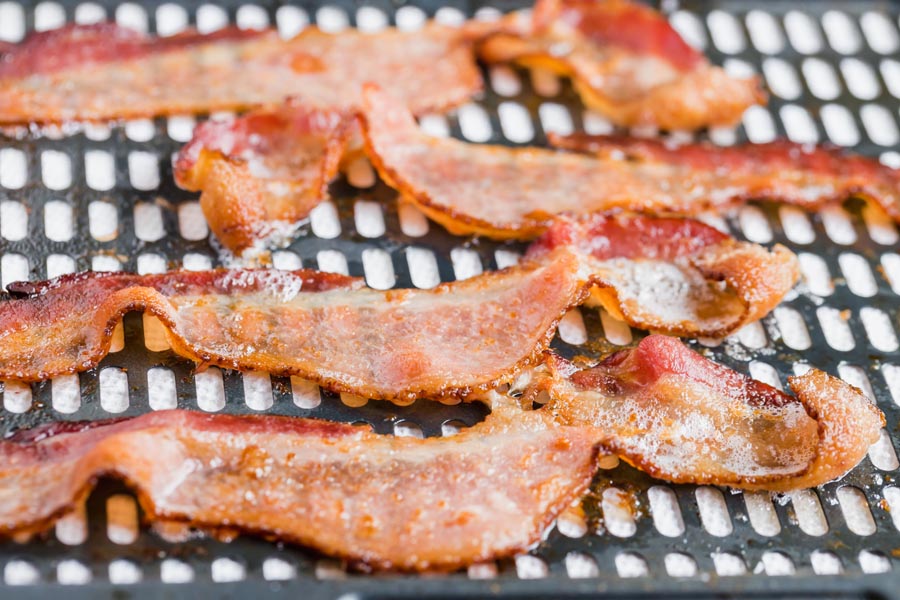
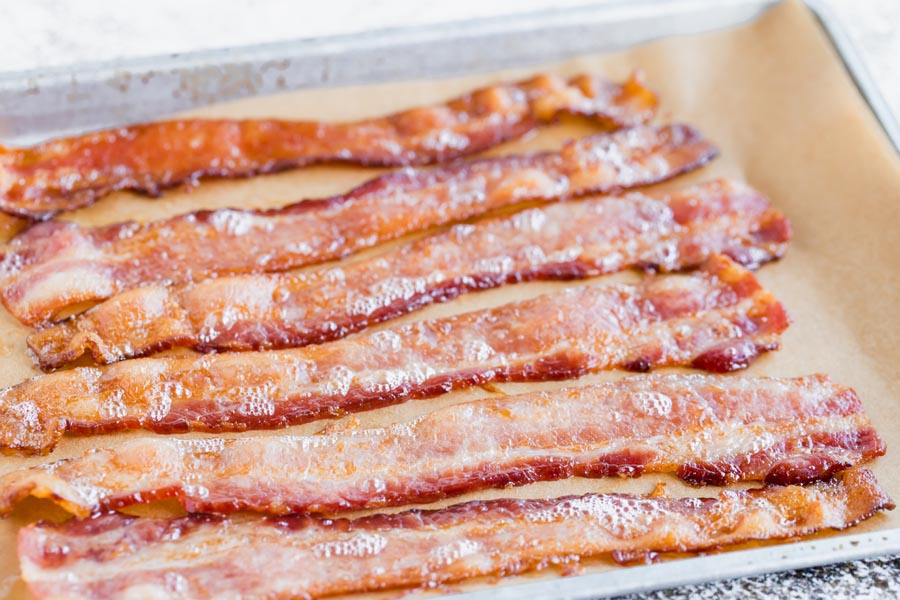
I buy thick-cut, every time. Thin-cut bacon practically disappears in the pan: it renders so fast that by the time you have color, it is already crispy, curled, and half the size it started. Thick-cut holds its shape, gives you actual meat texture alongside the fat, and takes longer to cook, which means you can actually control the outcome. I cook it in a cold pan, medium heat, flipping occasionally, which renders the fat slowly and evenly instead of searing the outside while leaving the interior chewy.
Use the rendered fat
Rendered bacon fat can add smoky flavor to vegetables, soups, and seared proteins. I often use some of it immediately in the same cooking session, such as for eggs or the base of a chili. This guide does not give a room-temperature storage duration for rendered fat; use validated storage guidance if you plan to save it.
"Sugar-free" is not the same as "no added sugar"
The "sugar-free" labeling issue is something I want to flag specifically. "Sugar-free" and "no added sugar" do not mean the same thing on bacon packaging. "No added sugar" means no sugar was added during processing, but curing with sugar-containing ingredients (some are naturally present in curing agents) can still result in a small carb count. "Sugar-free" as a front-of-package claim is the stronger statement, but even then, read the nutrition label for yourself. The grams column does not lie the way marketing language sometimes can.
Annie’s go-to brands
- Pederson's No Sugar Added Bacon
- Applegate Uncured Sunday Bacon
- ButcherBox Bacon
- Niman Ranch Uncured Bacon
Questions about Bacon
Is bacon keto?
Does bacon have carbs?
It can. The displayed cooked reference is about 0.6g carbohydrate per three slices, while a package label may round a serving to zero under labeling rules. Cures, flavors, serving sizes, and formulations differ, so use the current Nutrition Facts and ingredient lists for the specific bacon rather than a universal plain-versus-flavored range.
[1][4]What bacon brands are keto-friendly?
Brands consistently labeled no sugar added or uncured include Pederson's No Sugar Added Bacon, Applegate Uncured Sunday Bacon, Niman Ranch Uncured Bacon, and ButcherBox Bacon (their subscription pork products). Most major grocery store brands have a plain or "original" variety with 0 to under 1g carbs per serving. Avoid any product with maple, honey, brown sugar, or teriyaki in the name.
[4]Is turkey bacon keto?
Turkey bacon is keto-compatible but less ideal than pork bacon. Most turkey bacon has 0 to 1g net carbs per serving, which is fine. The macro tradeoff is fat: turkey bacon has significantly less fat than pork bacon (about 2 to 3g fat per slice versus 4 to 5g for pork), which matters on a high-fat ketogenic diet. Turkey bacon also tends to be processed with more added ingredients to compensate for lower natural fat. If you prefer it for taste, it works. If your goal is maximizing fat from quality sources, pork bacon is the better choice.
[4]Can you eat bacon every day on keto?
There is no universal yes-or-no answer based on keto alone. Bacon is a processed meat, and sodium, saturated fat, serving size, and the rest of your eating pattern all matter. Rotating it with fish, poultry, eggs, and plant proteins creates more variety. If you have high blood pressure, high LDL cholesterol, kidney disease, or cardiovascular disease, discuss an appropriate frequency with your clinician or registered dietitian. See the American Heart Association saturated-fat guidance.
[3][4]Nutrition and health note: Nutrition values are estimates and can vary by brand and serving size. This guide is for general information, not medical advice. Ask a qualified healthcare professional about dietary changes that may affect a health condition or medication.
Sources & notes 4 references
Show the references
-
USDA FoodData Central: bacon, cooked (opens in a new tab)
Nutrition: The displayed cooked reference rounds to 161 calories, 12 grams fat, 12 grams protein, and about 0.6 gram carbohydrate per three slices; compare the specific package label.
-
USDA FSIS: Bacon and Food Safety (opens in a new tab)
Storage: Regular bacon is generally refrigerated up to 7 days; cooked leftovers 4 to 5 days; follow a stated use-by date.
-
American Heart Association: Saturated Fats (opens in a new tab)
Nutrition: Saturated-fat guidance and the importance of the overall eating pattern.
-
FDA: Serving Size on the Nutrition Facts Label (opens in a new tab)
Nutrition and labeling: Packaged-food values apply to the labeled serving; compare the serving size and current product label because formulations vary.
More Keto Ingredients
33 recipes with Bacon
Most popular
Dessert

Dinner


Breakfast

Appetizers
Sides
Lunch
Condiments & Dressings
Browse all