Keto Almond Flour Recipes I Bake on Repeat
157 recipes
 Updated
I’ve tested almond flour in over 150 keto recipes, and it’s still my most-used low-carb flour. It gives baked goods a soft, slightly nutty crumb that’s hard to beat. The key is using blanched, super-fine almond flour (not almond meal) — the coarse-ground stuff makes everything grainy.
Almond flour works best in cookies, bread, pizza crust, and anything that benefits from a tender texture. Almond flour does not have a dependable conversion from all-purpose flour; use a recipe developed for almond flour or retest the full formula, including the eggs and liquid.
Here are my best keto almond flour recipes, organized by meal — each one tested multiple times to get the ratios right.
1.3g
NET CARBS
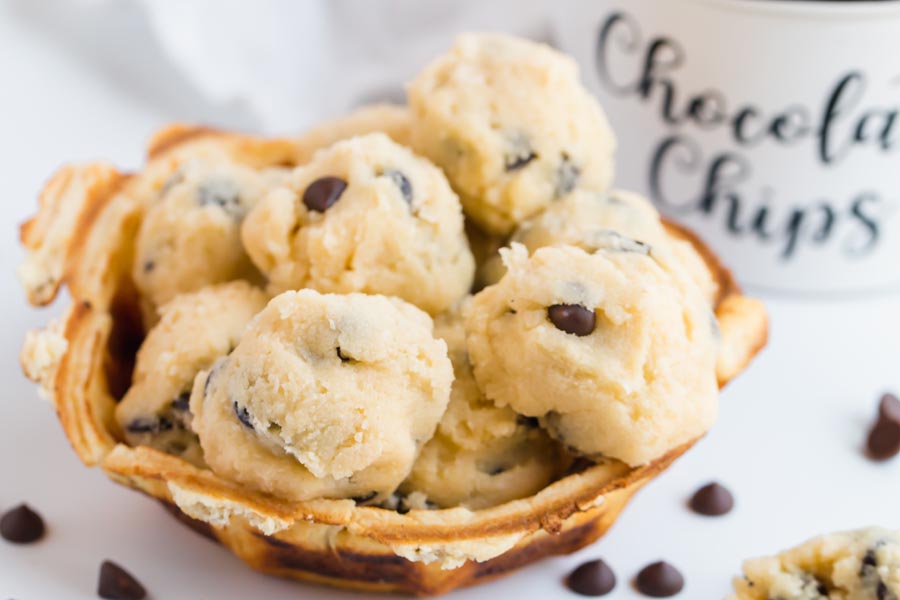
Dessert
Keto Chocolate Chip Cookie Dough Fat Bombs
3.5g
NET CARBS
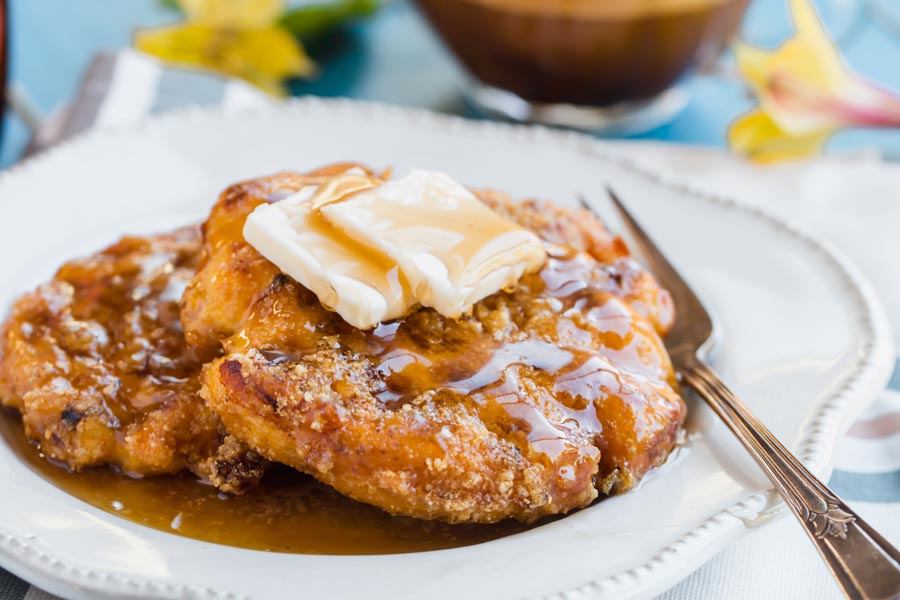
Breakfast
Keto Chicken and Waffles
6.1g
NET CARBS
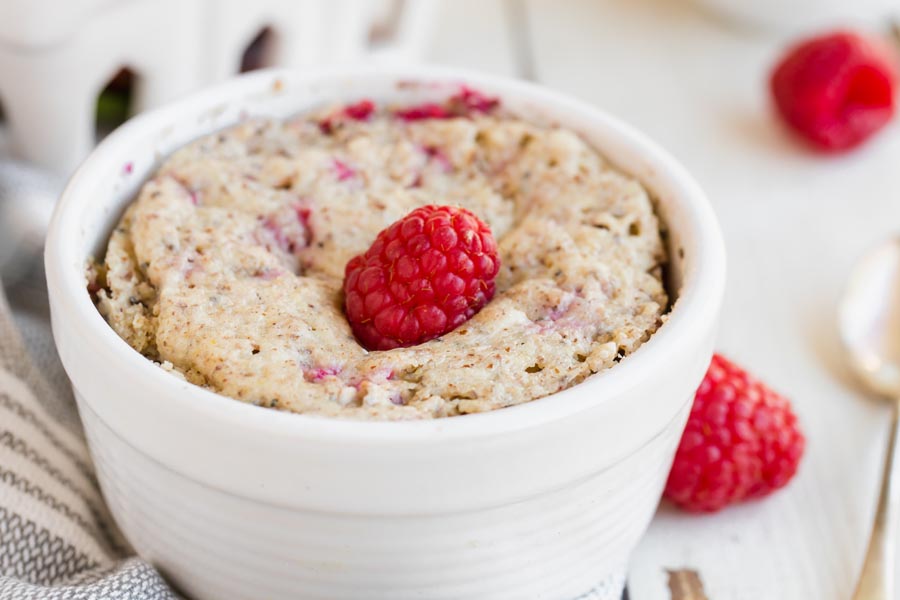
Breakfast
Keto Baked Oats
1.9g
NET CARBS

Dessert
Keto Twinkies
2.2g
NET CARBS
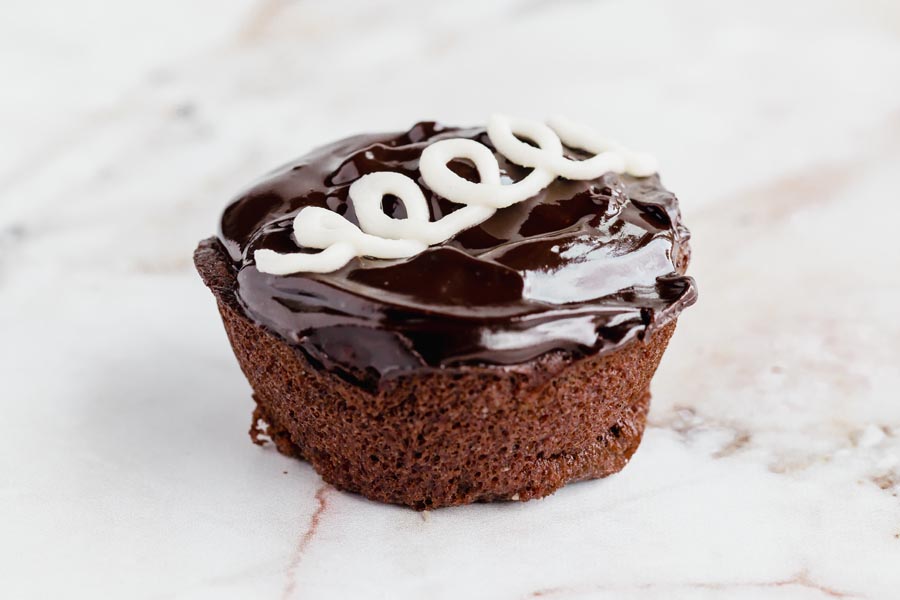
Dessert
Keto Hostess Cupcakes
6g
NET CARBS
Dessert
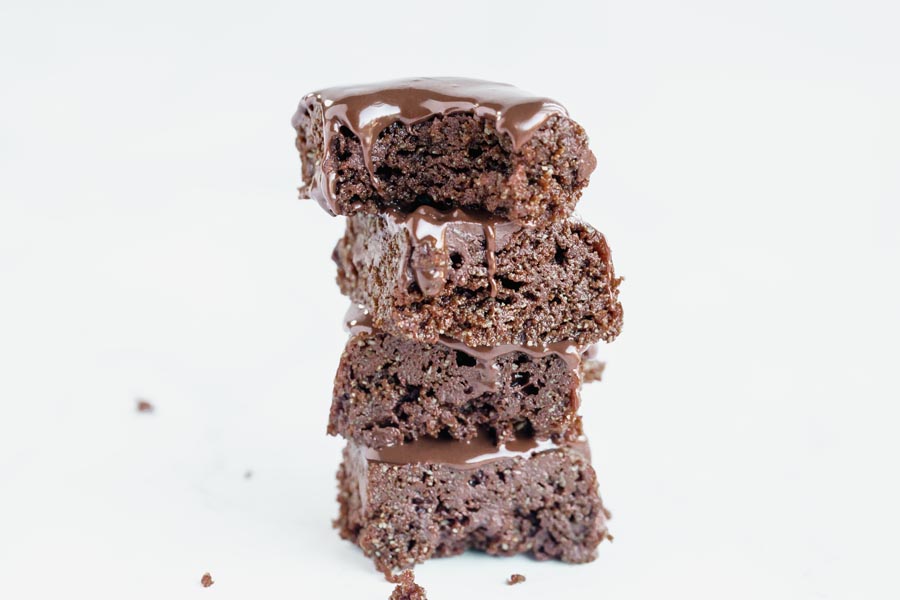
Keto Mug Brownie
1.6g
NET CARBS

Dessert
Keto Madeleine Cookies
4.2g
NET CARBS

Dessert
Keto Valentines Day Cake
1.4g
NET CARBS
Dessert
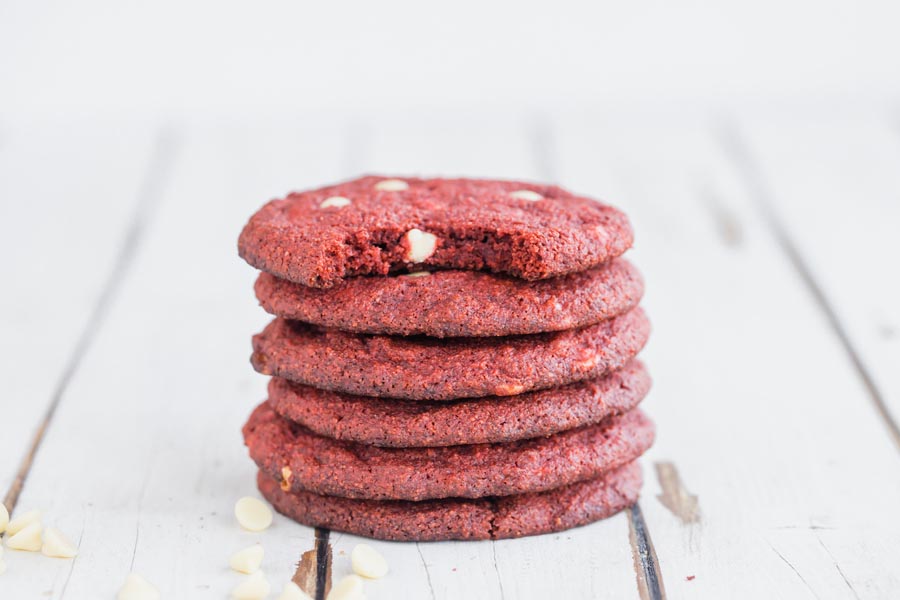
Keto Red Velvet Cookies
3.6g
NET CARBS
Sides
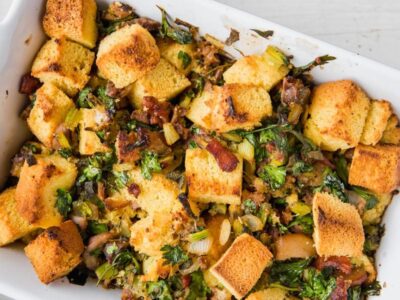
Keto Cornbread Stuffing
1.5g
NET CARBS
Dessert
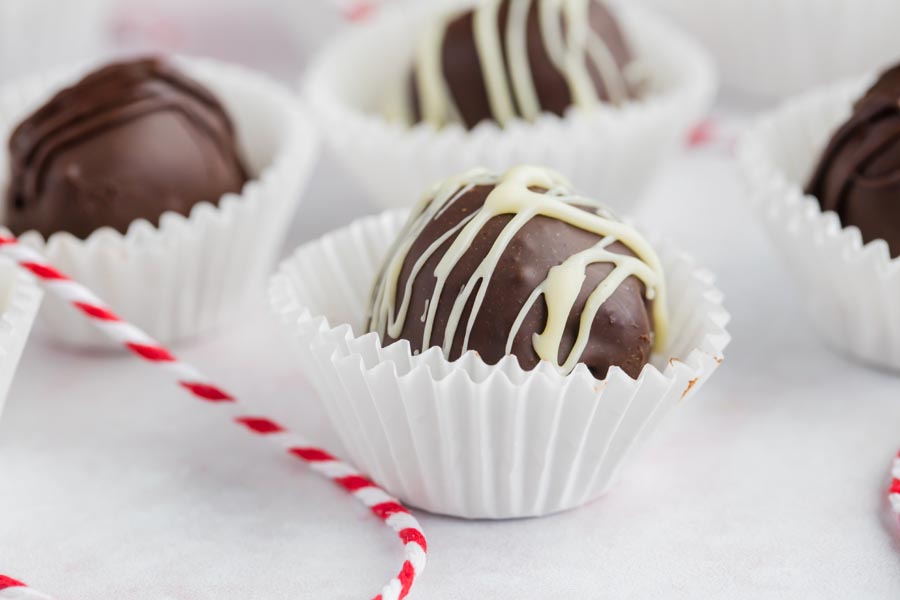
Keto Chocolate Chip Cookie Dough Truffles
1.9g
NET CARBS
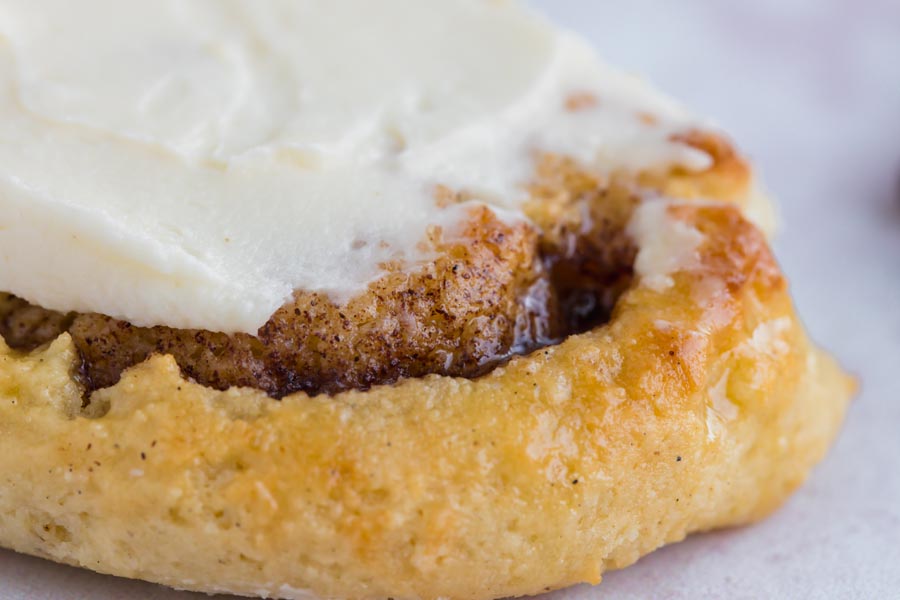
Breakfast
Keto Cinnamon Rolls
1.8g
NET CARBS
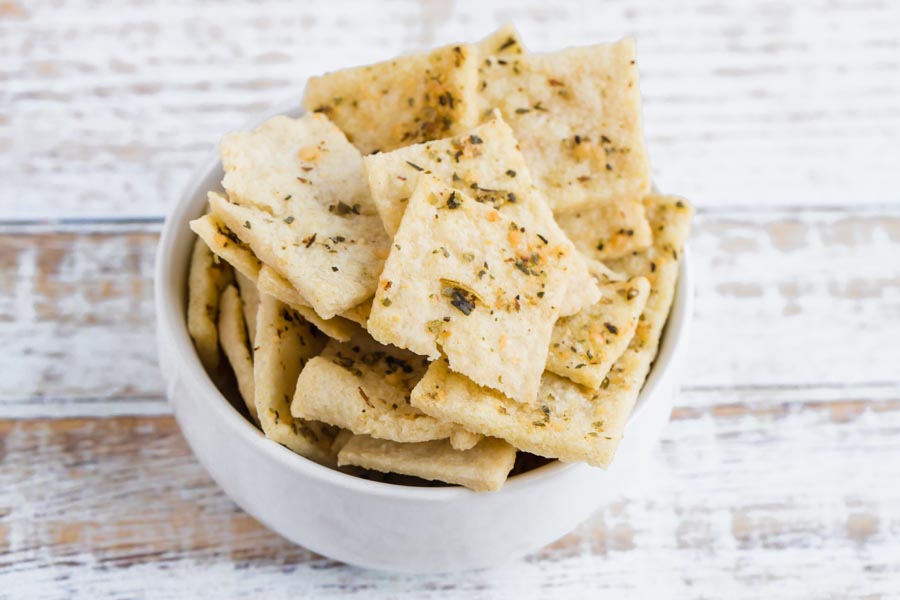
Appetizers
Almond Flour Keto Crackers
1.4g
NET CARBS
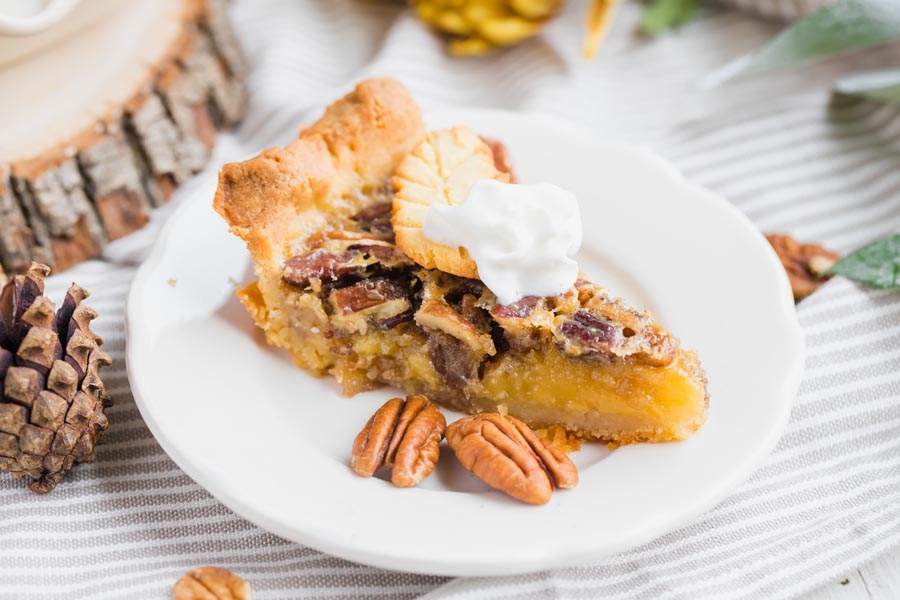
Dessert
Keto Pecan Pie
4.8g
NET CARBS
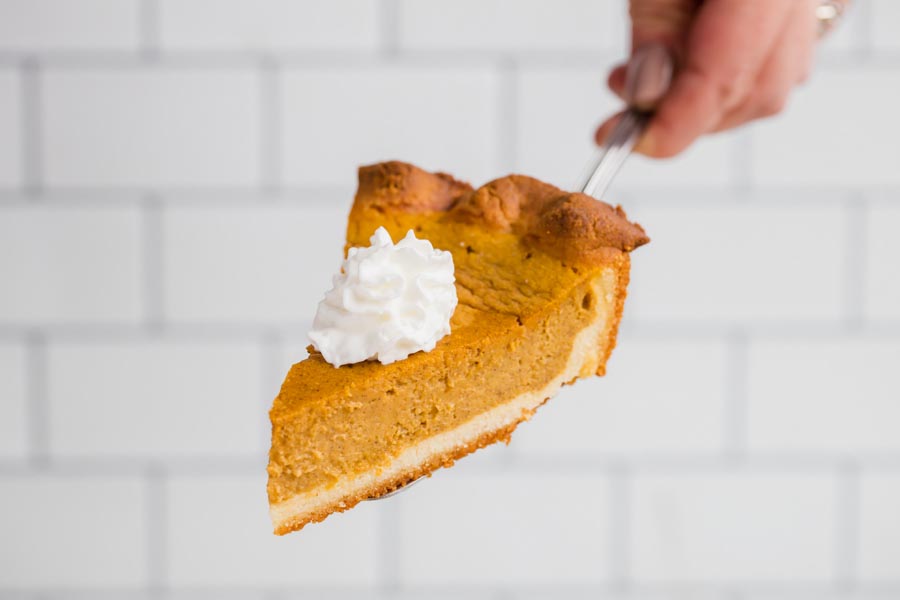
Dessert
Keto Pumpkin Pie
7.9g
NET CARBS
Dessert
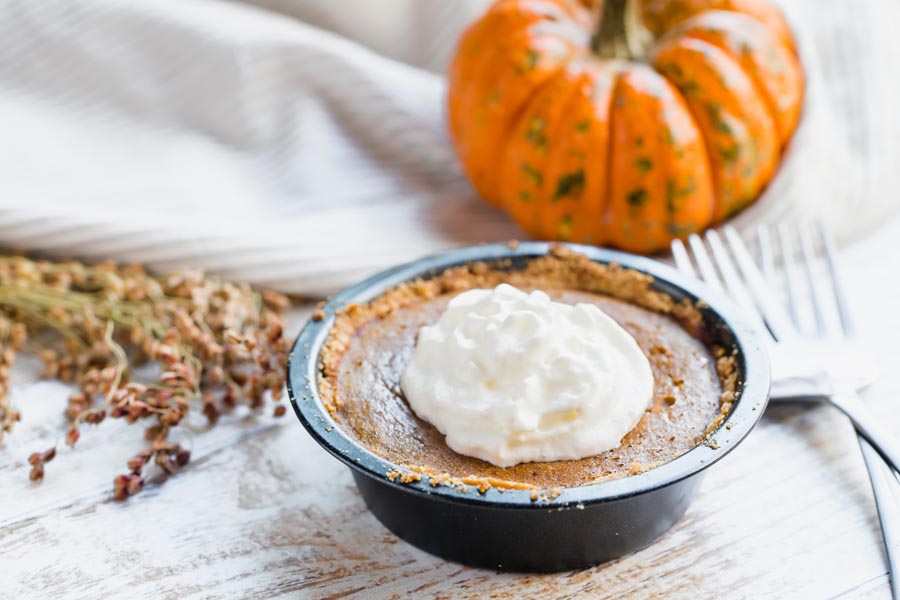
Keto Pumpkin Pie for One
1.4g
NET CARBS
Dessert
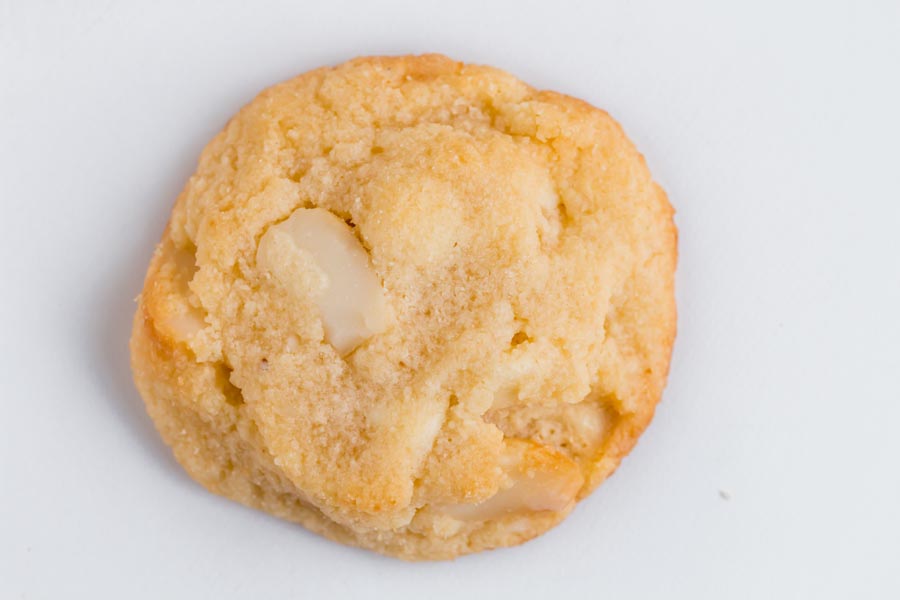
The BEST Keto White Chocolate Macadamia Nut Cookies
4.5g
NET CARBS
Breakfast
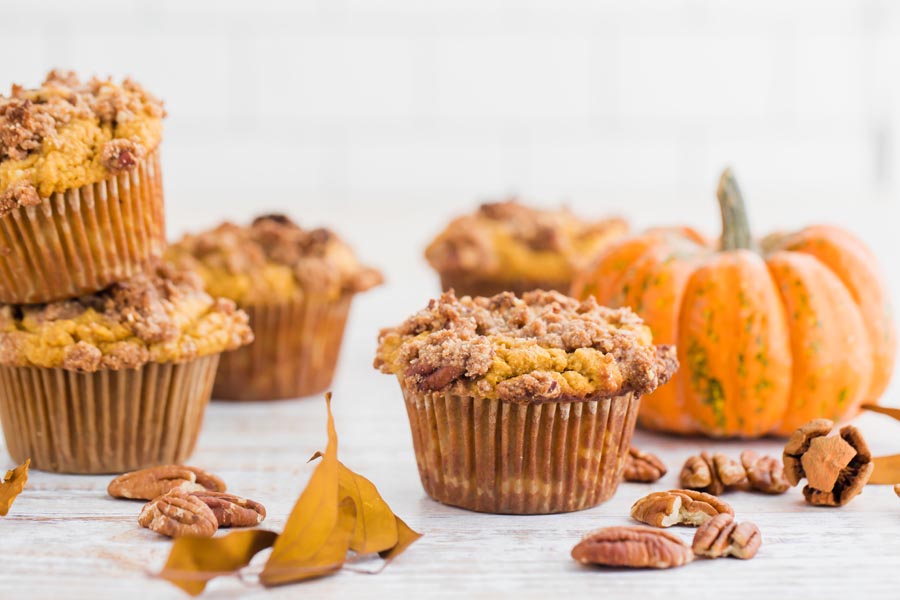
Keto Pumpkin Pecan Muffins
3.5g
NET CARBS
Breakfast
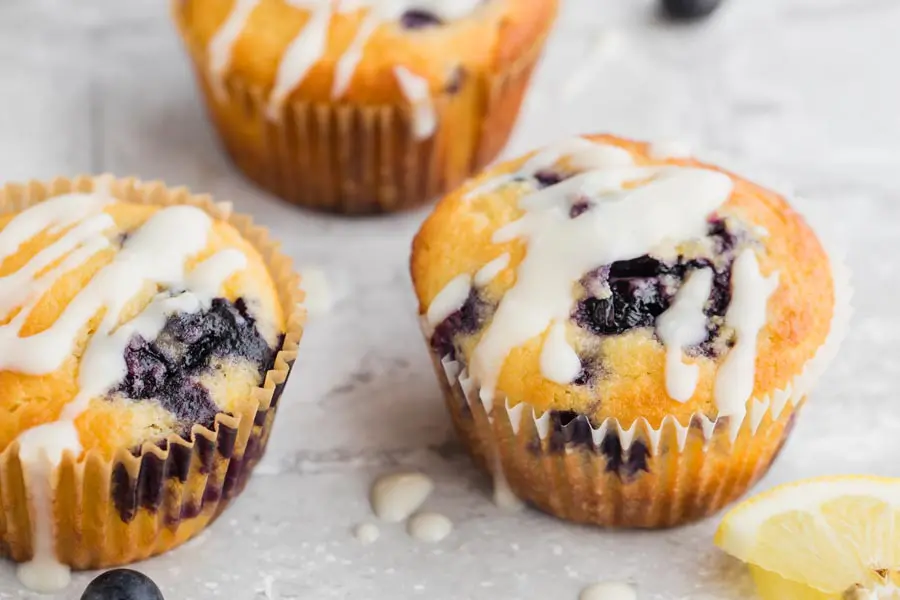
Keto Lemon Blueberry Muffins
0.9g
NET CARBS
Breakfast
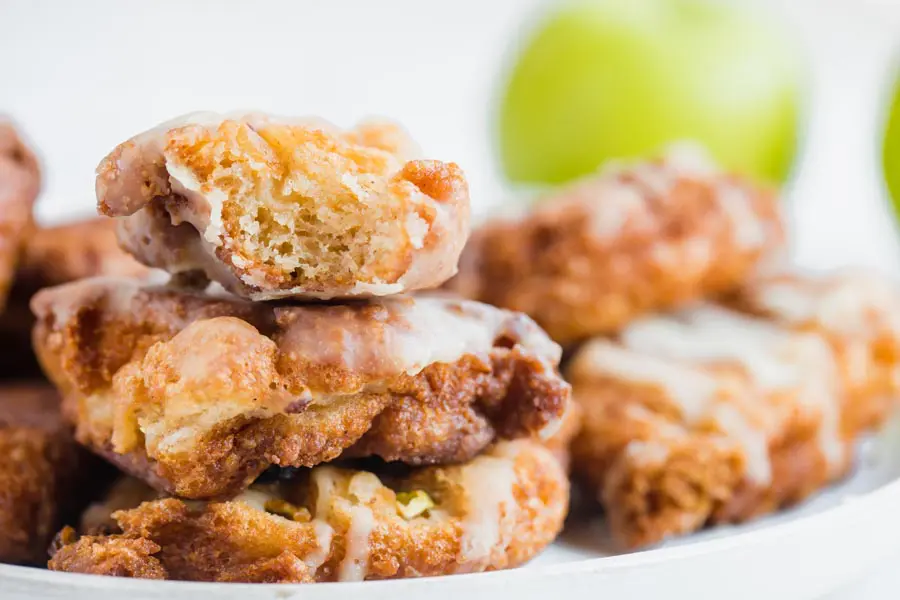
Keto Apple Fritters
4g
NET CARBS

Lunch
Keto Mummy Dogs
2.4g
NET CARBS

Dessert
Sugar Free Chocolate Graveyard Cake
4.5g
NET CARBS
Dessert
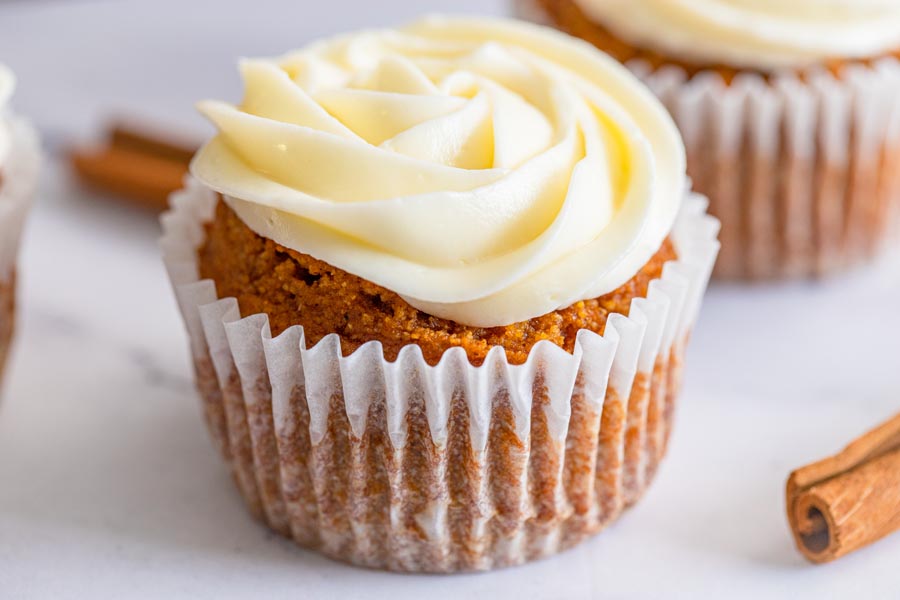
Keto Pumpkin Cupcakes
3.3g
NET CARBS
Breakfast
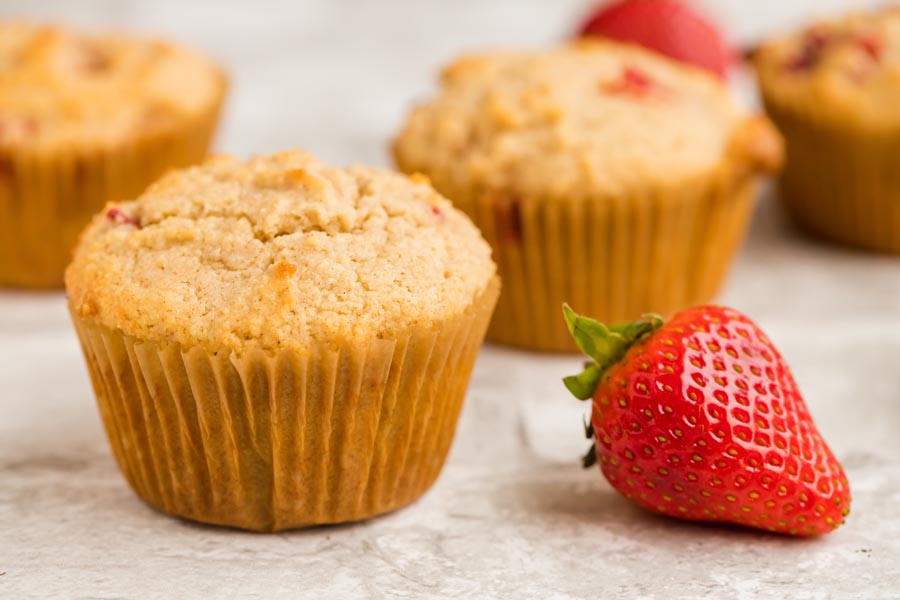
Keto Strawberry Muffins