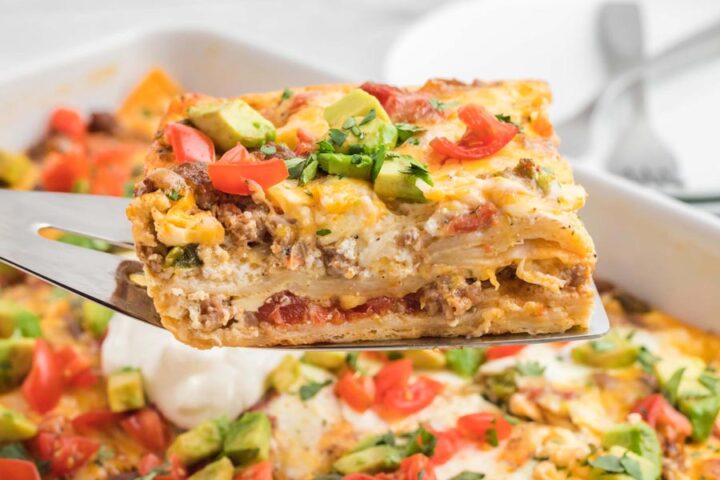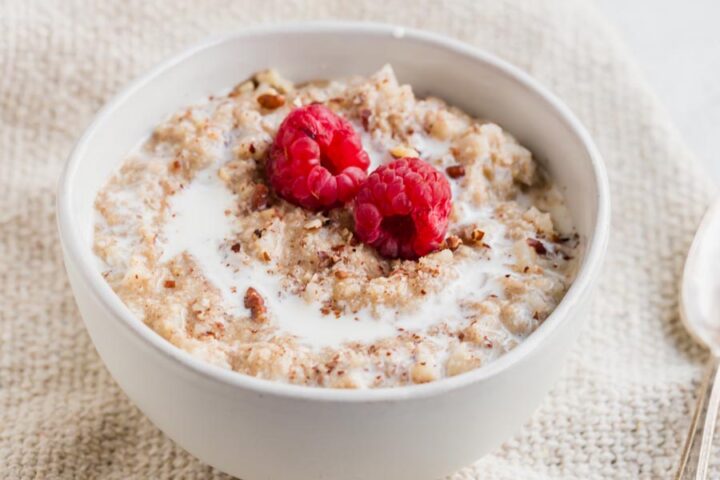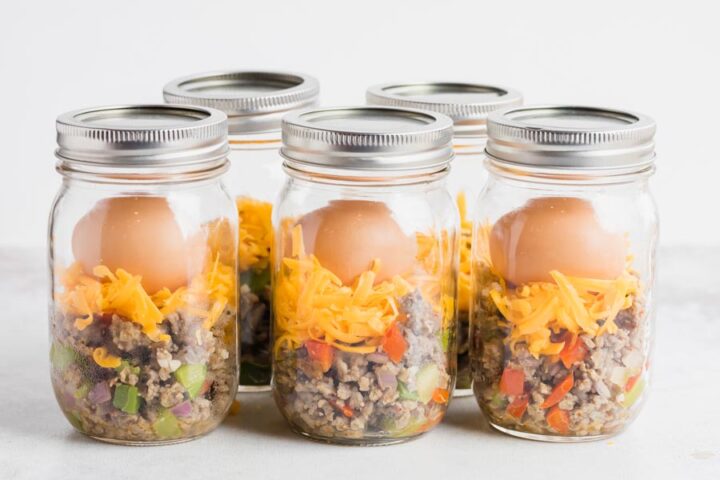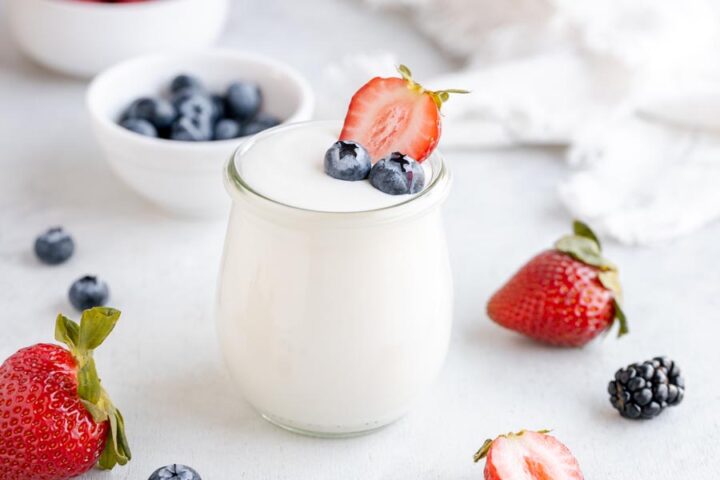


Keto Egg Recipes for Every Meal of the Day

I go through three dozen eggs a week, and almost none of them end up at breakfast. On keto, the egg is the structure that flour used to be.

Keto-Friendly 0.4gNet Carbs 72Calories 6gProtein 5gFat

Nutrition per large egg [1]

133 keto eggs recipes

Are eggs keto?

Eggs can fit a ketogenic eating pattern. The cited large whole-egg form provides about 0.4g carbohydrate, 5g fat, and 6g protein. Yolks provide most of the fat and several micronutrients, while whites provide protein; either can have a role depending on the meal and individual needs.

New to keto? Short answer: yes, eggs are keto, with about 0.4g carbohydrate per cited large egg. Full breakdown: Are eggs keto? →

I buy 3 dozen eggs every week, sometimes 4. Most people hear that and picture breakfast food. What they are not picturing is the keto bread loaves I make on Sundays, the chaffle batches cooling on my counter Tuesday afternoon, the carbonara-style sauce I built for dinner last Thursday, or the dozen hard-boiled eggs sitting in my fridge for quick protein all week. Eggs are not a breakfast ingredient in my kitchen. They are the structural foundation of almost everything I bake and cook on keto.

What eggs do that flour used to

Here is what eggs are doing that flour used to do. In traditional baking, gluten creates structure: the network of proteins that gives bread its chew and cake its rise. On keto, that network is gone. Almond flour and coconut flour are both low in protein and have no gluten whatsoever. Eggs replace that network. The proteins in eggs coagulate when heated, creating the structure that holds a keto muffin together instead of falling apart. The yolks add fat and richness. The whites trap air when beaten, giving lift to things like keto sponge cakes and souffles. When a keto recipe calls for 4 eggs and you think that sounds like too many, it is not. Each one is doing real structural work.

Why room temperature matters

Room temperature matters. This sounds like a fussy baking tip but it is actually practical: cold eggs hit melted chocolate or melted butter and cause them to seize. The fat solidifies on contact with the cold protein and you get a chunky, broken mixture instead of a smooth batter. Set your eggs out 20 to 30 minutes before you bake. If you forget and need them warm fast, submerge them in a bowl of warm (not hot) water for 5 minutes. Problem solved, no batter casualties.

The chaffle changed everything

The chaffle changed how I think about keto cooking. Two ingredients: one egg and one ounce of shredded mozzarella. Press in a mini waffle iron for 3 minutes. What comes out is crispy, golden, and holds its shape under toppings and sauces. I use chaffles as burger buns, sandwich bread, pizza bases, and sometimes just eat them plain with butter. They were the moment I stopped feeling like keto meant eating sad substitutes and started feeling like I was actually cooking.

Whole eggs, not just whites

Whole eggs and egg whites serve different purposes. Whites add protein and structure with little fat, while yolks contribute most of an egg's fat and several micronutrients. Choose whole eggs, whites, or a combination according to the recipe, your overall eating pattern, and any individualized guidance from your healthcare professional; one option is not universally "nutritionally correct" for everyone.

Annie Lampella

Written by Annie Lampella, Pharm.D., a pharmacist and recipe developer who has followed keto for 14 years.
More about Annie →

Updated

Nutrition and health note: Nutrition values are estimates and can vary by brand and serving size. This guide is for general information, not medical advice. Ask a qualified healthcare professional about dietary changes that may affect a health condition or medication.

Common Questions About Keto Eggs

Are eggs keto?

Eggs can fit a ketogenic eating pattern. The cited large whole-egg form provides about 0.4g carbohydrate, 5g fat, and 6g protein. Full breakdown: Are eggs keto? → [1][4]


How many eggs per day is okay on keto?

There is no single egg-per-day number that is right for everyone. Eggs can fit a balanced eating pattern, but the effect of dietary cholesterol varies, and overall diet, LDL cholesterol, diabetes, and cardiovascular risk matter. If you have high LDL cholesterol, diabetes, or cardiovascular disease, ask your clinician or registered dietitian what intake fits your plan rather than relying on a keto-specific 2-to-6-egg rule. See the American Heart Association science advisory on dietary cholesterol. [1][3]

Are egg whites keto?

Egg whites are very low in carbohydrate and can fit a ketogenic eating pattern. They provide protein with little fat, while yolks provide most of an egg's fat and several micronutrients. Whole eggs, whites, or a mixture can all be appropriate depending on the recipe, your overall nutrient intake, and individualized medical or dietary guidance. [1][5]

What can you make with eggs on keto?

The most versatile uses for eggs on keto go well beyond breakfast. Chaffles (egg plus mozzarella in a waffle iron) serve as bread substitutes. Eggs are the structural ingredient in keto baked goods including bread, muffins, cakes, and cookies, replacing the role gluten plays in traditional baking. They work in keto carbonara, egg drop soup, deviled eggs, egg salad, frittatas, and quiche. Hard-boiled eggs are one of the easiest grab-and-go keto snacks.

Are deviled eggs keto?

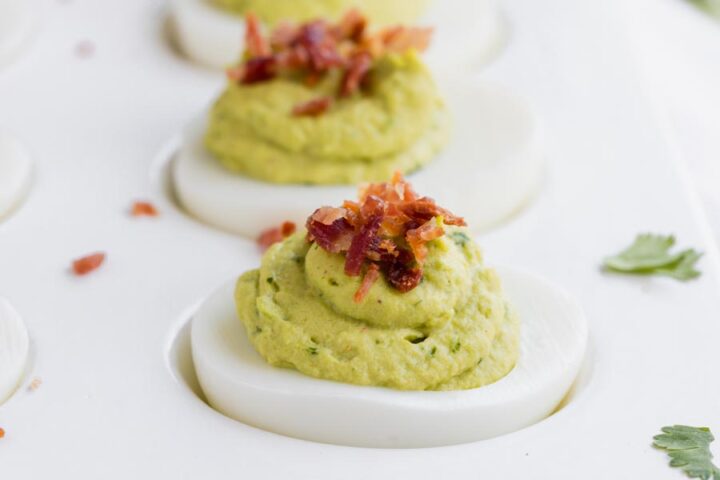
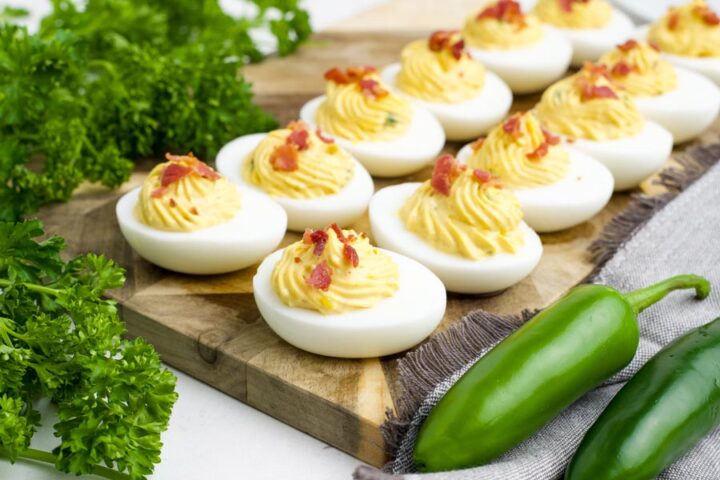
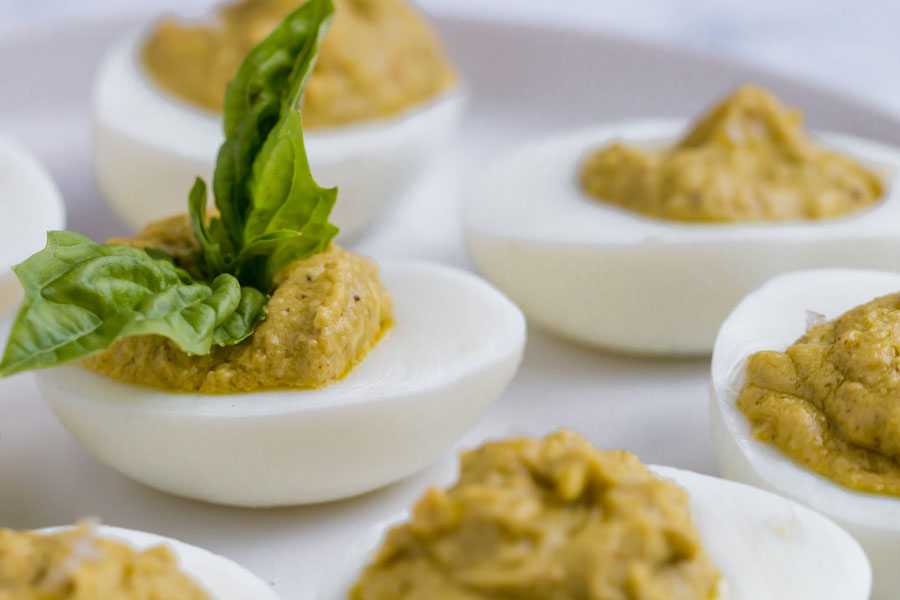
Yes. Classic deviled eggs made with hard-boiled egg yolks, mayonnaise, mustard, and vinegar are completely keto-friendly with around 0 to 1g net carbs per deviled egg half. The only version to watch is sweet relish-based deviled eggs, which can add 1 to 2g carbs per half from the sugar in the relish. Use dill relish or skip the relish entirely to keep them at zero carbs. [4]

Sources & notes 5 references
  1. USDA FoodData Central: whole egg, raw, fresh (opens in a new tab)

    Nutrition: The cited whole large-egg form provides about 0.4 gram carbohydrate, 5 grams fat, and 6 grams protein.

  2. USDA FSIS: Shell Eggs from Farm to Table (opens in a new tab)

    Storage: Refrigerate promptly in the carton; raw shell eggs are generally kept 3 to 5 weeks.

  3. American Heart Association: Dietary Cholesterol and Cardiovascular Risk (opens in a new tab)

    Nutrition: Science advisory on dietary cholesterol, blood lipids, cardiovascular risk, and overall dietary patterns.

  4. FDA: Serving Size on the Nutrition Facts Label (opens in a new tab)

    Nutrition and labeling: Packaged-food values apply to the labeled serving; compare the serving size and current product label because formulations vary.

  5. USDA FoodData Central: egg white, raw (opens in a new tab)

    Nutrition: Companion food-composition search for egg white so whole-egg and egg-white statements use the matching food forms.

Breakfast

Lunch

Dinner

Sides

Appetizers

Beverages

Condiments & Dressings

Dessert