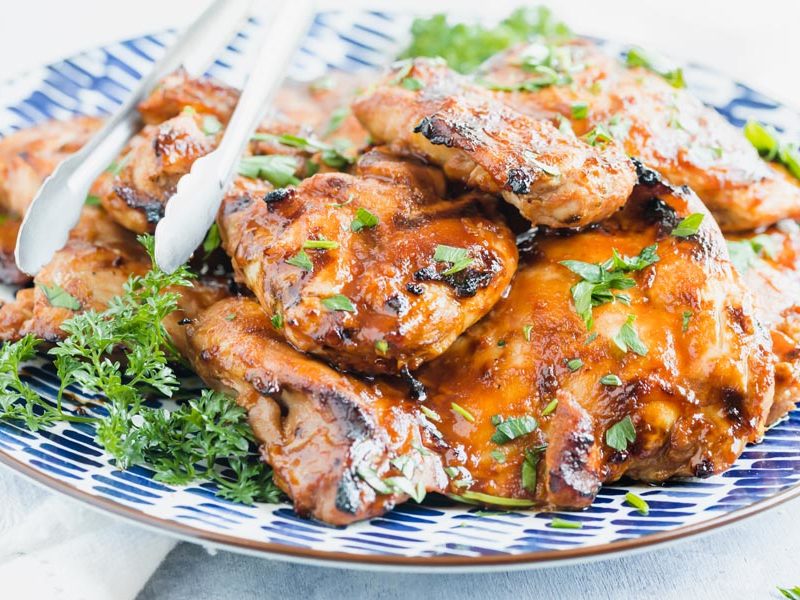
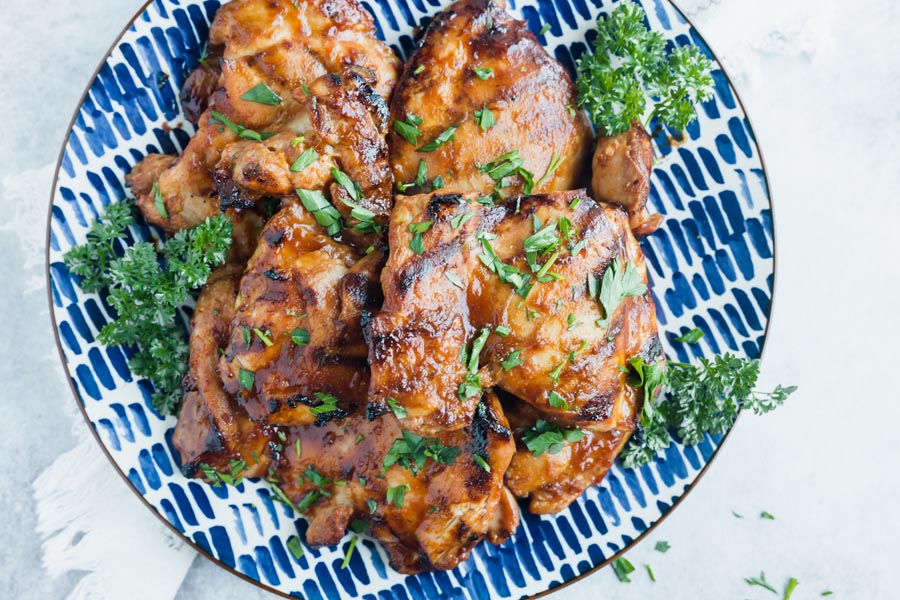
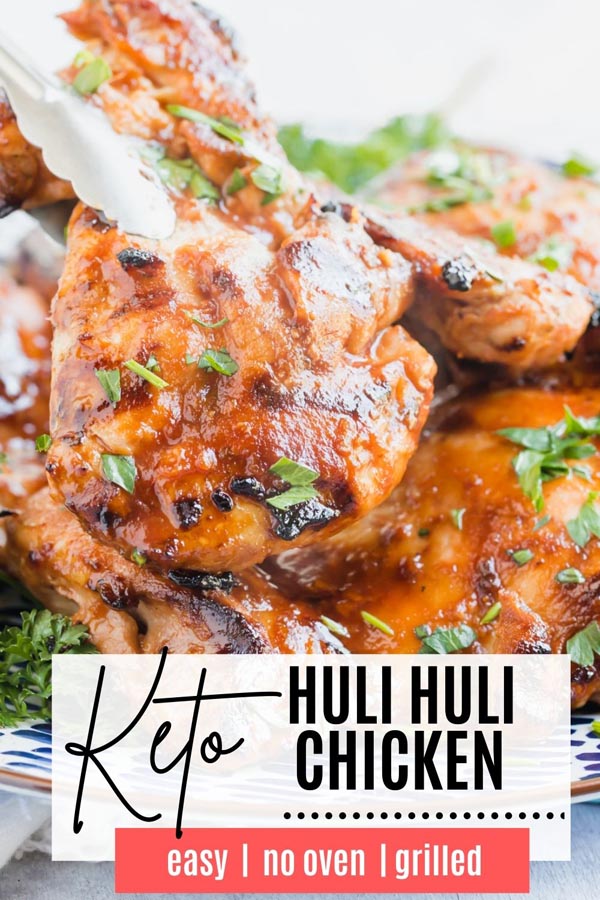
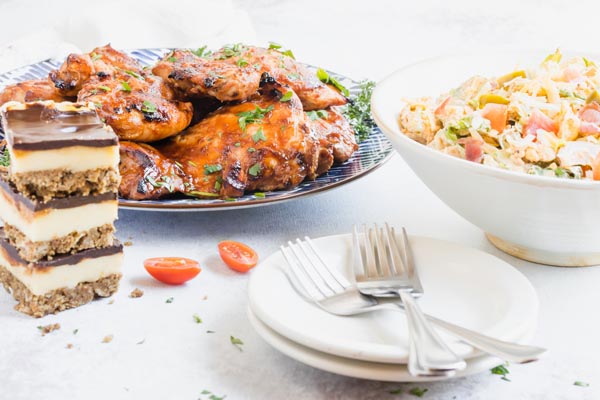
Grilled until sticky and caramelized, this keto huli huli chicken gets a sweet, tangy Hawaiian glaze with real charred flavor and no sugar (5.4g net carbs, 39.1g protein). Juicy chicken thighs are my secret.
I have been making this for years, and it earned a permanent spot in my grilling rotation. The marinade is everything here. Brown sugar replacement sweetener, unsweetened ketchup, apple cider vinegar, fresh ginger, garlic, and soy sauce blend into a glaze that caramelizes into a sticky, sweet-tangy coating on the grill. The longer the chicken sits in the marinade, the deeper the flavor gets. I go overnight whenever I can, but even 4-6 hours makes a real difference.
I use boneless, skinless chicken thighs because they stay juicy even if you leave them on a minute too long. Thighs have more fat than breasts, and that fat renders down while grilling to keep the meat tender. If you love a good cilantro lime chicken marinade, this one is in the same family but with a completely different flavor profile.
What makes my keto version different from the traditional recipe is the sweetener swap. I tested golden monkfruit, brown erythritol, and allulose side by side on the grill, and golden monkfruit caramelizes significantly better than the others. I also use Primal Kitchen unsweetened ketchup instead of regular. Most traditional recipes call for pineapple juice, but I skip it entirely. Beyond the sugar content being too high for keto, fresh pineapple juice contains enzymes that over-tenderize chicken when it marinates too long. The combination of vinegar, ginger, and garlic gives this sauce plenty of depth on its own.
The real trick is basting. I reserve about a quarter cup of the marinade before adding the raw chicken, and I use that reserved sauce when I flip. Each layer chars and caramelizes on the surface, building up a sticky, slightly smoky crust that peels away in the best way when you bite into it. I baste right before I flip and again right after, so the glaze builds in layers. The original 1955 method used a spit roaster, but my grill-grate technique with repeated basting gives the same layered glaze.
If you want to explore other Asian-inspired flavors, my keto teriyaki chicken has a similar sweet-savory balance, and my Hunan chicken goes in a completely different direction with heat and garlic.
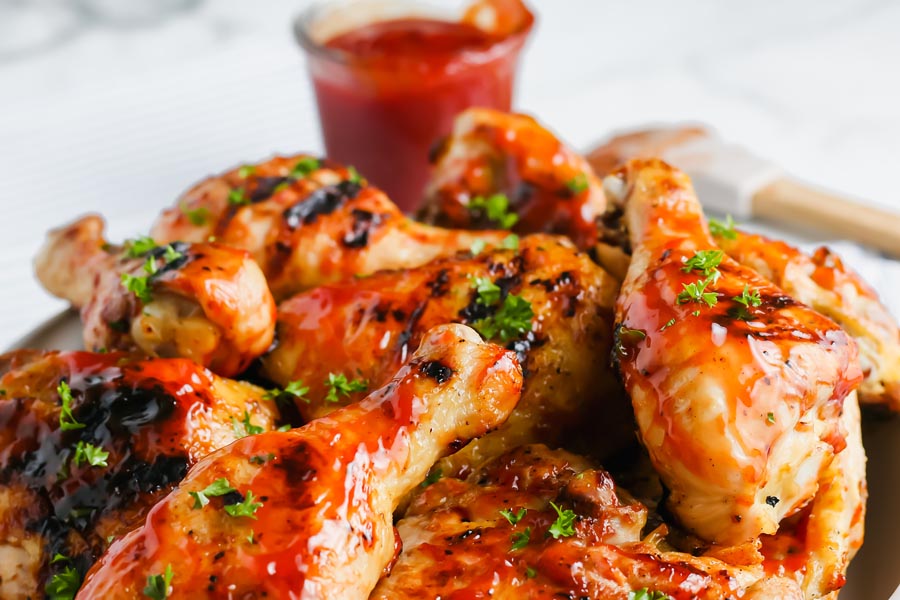
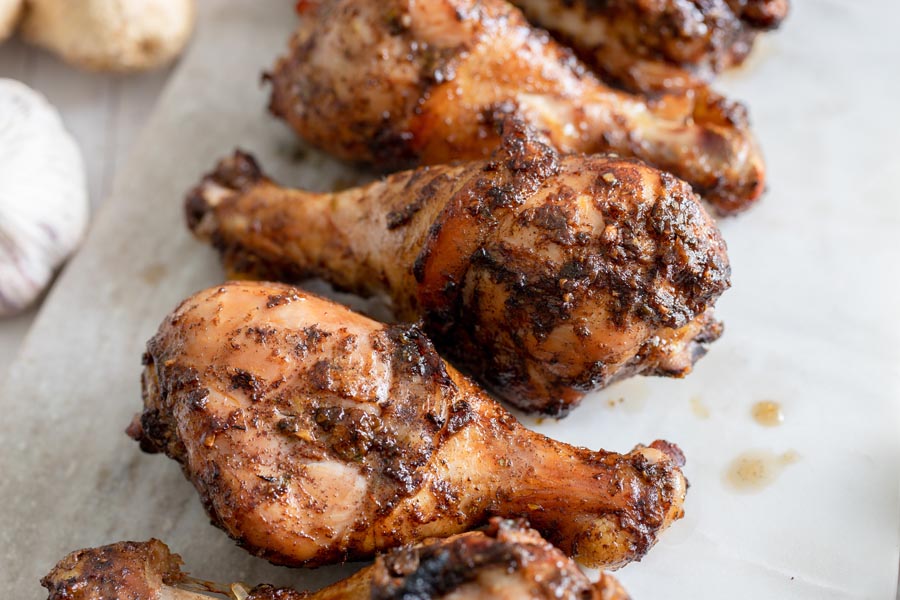
I have also used this marinade on drumsticks, bone-in leg quarters, and even salmon (a reader asked about it, and it works). Bone-in pieces take longer (about 25-30 minutes with indirect heat), but the bone keeps the meat incredibly moist. For meal prep, I grill a big batch on Sunday and store it in the fridge for up to 5 days. Reheating in the oven at 350 degrees for about 10 minutes keeps the glaze intact. You can also freeze it for up to 3 months.
Keto Huli Huli Chicken Recipe
I keep all the ingredients for this marinade in my pantry because my family requests it that often. You need boneless, skinless chicken thighs, golden monkfruit sweetener (or another brown sugar replacement), unsweetened ketchup, apple cider vinegar, freshly grated ginger, minced garlic, and soy sauce or liquid aminos. The marinade comes together in about 2 minutes, and the rest is just patience. The longer you marinate, the more flavor you get. I go overnight whenever I can.
To keep this low carb, I skip pineapple juice entirely. The sugar content is too high, and the marinade does not need it. I use golden monkfruit or brown erythritol in place of brown sugar, which keeps this recipe at 5.4g net carbs per serving.
Where This Recipe Comes From
I love knowing the history behind the recipes I make. This dish was invented by Ernest Morgado in 1955 in Hawaii. He grilled chicken on a makeshift spit roaster, and people would shout “huli” when it was time to flip, because “huli” means “to turn” in Hawaiian. Morgado cooked his famous recipe at fundraisers across Hawaii and raised millions of dollars for churches and schools. I think about that every time I flip my chicken on the grill. My version is a lot simpler than a spit roaster, but the spirit is the same.
Making the Sauce Without Sugar
I have made this without any added sugar and not lost a bit of flavor. My go-to sweetener is golden monkfruit, which I tested side by side against brown erythritol and allulose on the grill. Golden monkfruit caramelizes the best by a clear margin. For ketchup, I use Primal Kitchen unsweetened ketchup, which cuts out all the added sugars in regular brands. Most traditional recipes include sherry or mirin in the marinade, but I skip both since they leave behind sugars that add up. I use soy sauce in my version, but if you avoid gluten, tamari works perfectly. You can even use liquid aminos to bring the carb count down further (liquid aminos runs slightly sweeter on its own, so I pull the sweetener back by about a tablespoon to compensate). When I want heat, I add about half a teaspoon of red pepper flakes to the marinade, which gives a nice warmth without overwhelming the sweet-tangy flavor. You can also drizzle chili oil on after grilling so everyone controls the heat on their own plate. If you enjoy island-inspired proteins, my poke bowl takes a completely different approach.
Oven, Air Fryer, and Broiler Options
I prefer grilling because the open flame gives you that charred, caramelized crust. But I have made this in the oven, air fryer, and under the broiler plenty of times, and it still turns out great. For oven baking, I preheat to 400 degrees and cook for about 20 minutes, basting halfway through. In the air fryer, I set it to 360 degrees and cook for 12-15 minutes. For the best indoor char, I finish under the broiler on high for 2-3 minutes after the oven or air fryer step. The key either way is basting with the reserved marinade so you build up those layers of sticky glaze. Cast iron works too (Jennifer, one of my readers, confirmed this), but the pan has to be screaming hot before the chicken goes on or the glaze just steams and you lose that char. A pellet grill works as well. I set mine to 375 degrees, use cherry or apple pellets because fruitwood complements the sweet-tangy glaze, and baste more often since pellet grills run drier than gas. Cook time is about the same, maybe a couple minutes longer. If you want another high-heat chicken recipe, my chicken stir fry uses the same principle.
Meal Prep and Storage
I meal prep this almost every week during grilling season. Make the marinade ahead and store it in the fridge for up to a week. I usually marinate overnight (at least 4-6 hours for the best flavor), and sometimes I freeze the chicken right in the marinade so it absorbs flavor as it thaws. Grilled chicken stores in the fridge for up to 5 days and reheats well at 350 degrees for about 10 minutes. I keep a batch alongside my sheet pan chicken and veggies so I have protein ready all week. You can also freeze the cooked chicken for up to 3 months. If you are looking for more grilling ideas, my chicken caprese kebabs are another batch-friendly option.
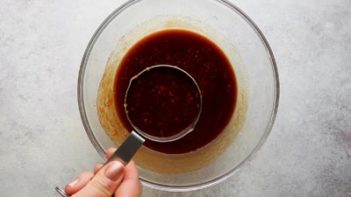
In a large bowl, mix together brown sugar replacement sweetener, ketchup, apple cider vinegar, ginger, garlic, and soy sauce to make the huli huli sauce. Reserve ¼ cup marinade for basting later.
2
Marinate chicken
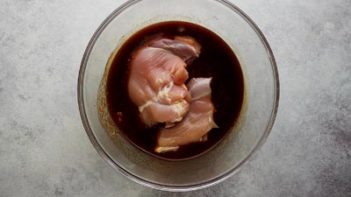
Add chicken thighs. Cover with plastic wrap and refrigerate. Let chicken marinate for at least 2 hours, overnight is ideal.
3
Char grill
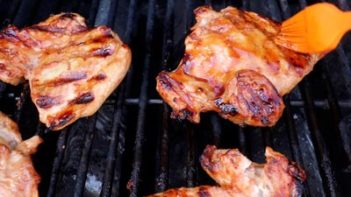
To grill chicken, preheat grill to medium heat (350-400 degrees). Coat grill grate with cooking spray or oil to grease the grill. Add marinated chicken and grill 6-8 minutes. Baste chicken with reserved sauce before flipping. Flip the chicken, baste again, and grill for another 6-8 minutes until chicken reaches an internal temperature of 160-165 degrees.
Nutrition
Per serving: 1/6 of recipe
Calories
297
Fat
14g
Protein
39.1g
Total carbs
5.7g
Net carbs
5.4g
Nutrition is an estimate calculated from the ingredients listed. Brands vary, so check labels if you track closely.
Frequently Asked Questions
Can I use chicken breasts instead of thighs?
I have made this with chicken breasts and they work fine, but thighs are my strong preference. Thighs carry more fat, and that fat renders on the grill to keep the meat juicy under the glaze. Breasts dry out faster, so I pound them to an even thickness before marinating and pull them right at 165 degrees internal, the safe temperature for chicken, without letting them coast past it.
Can I use this marinade on salmon or pork?
I have used this sauce on salmon, pork tenderloin, and shrimp. Salmon is my favorite because the glaze chars fast, about 3-4 minutes a side on the grill. For pork tenderloin, I slice it into medallions about an inch thick so the marinade ratio stays right. Shrimp cooks so quickly that I skip marinating entirely and just baste during grilling. If you want another way to do pork, my air fryer pork chops pair well with this sauce drizzled on top.
Can I freeze the chicken in the marinade before cooking?
I pour the marinade over the raw chicken in a freezer bag, press out the air, and lay it flat in the freezer. It thaws overnight in the fridge, and the chicken absorbs flavor the entire time it defrosts. I have frozen batches for up to 3 months with no quality drop.
Can I skip the ketchup in the marinade?
The ketchup adds body and a tomato-based sweetness that balances the acidity from the vinegar. I have made this without it and the sauce comes out thinner and sharper. If you want to skip it, I would add a tablespoon of tomato paste and an extra tablespoon of sweetener to compensate. That gets you close to the same consistency.
What is the difference between Huli Huli Chicken and teriyaki chicken?
Both start from a soy sauce and sweetener base, which is why my keto teriyaki chicken has a similar sweet-savory balance. Huli huli sauce adds unsweetened ketchup and apple cider vinegar, so the glaze comes out tangier with more body. The method is different too. Huli means to turn in Hawaiian, so this chicken is basted and flipped on the grill until the sauce chars into a sticky crust.
I brought a tray of the thighs to a neighbor’s retirement lunch and they held up almost an hour without drying out. A guy who grills his own huli huli asked what I put in the marinade.
Two batches in. Marinade’s balanced, char’s right. One thing: erythritol crystallizes fast when it cools, so the glaze goes grainy within minutes. Eat it straight off the grill.
He is going to love this. I always let mine char just a little longer than feels safe, that’s where the sticky glaze really sets. Hope the birthday dinner is a hit, Kendra.
so I made the marinade friday night and left the thighs in overnight, and my son walked into the kitchen saturday morning and said it smelled like a vacation which I thought was such a weird thing to say until I smelled it again. the ginger and soy together before it even hits the grill is genuinely something.
The char was the last thing I locked down on this one. Eight or nine test rounds just for the baste timing. That ‘nothing else comes close’ is exactly it, Luz. It comes from the fat in thighs rendering into the glaze as it cooks, and the sweetener going darker and faster than regular sugar does. Those two things together are why breast meat won’t get you there. I pull mine right when the edges hit almost mahogany.
I grew up in Hawaii and huli huli chicken was at every family gathering, so I was skeptical anything keto could get close. Made this last weekend and when the marinade hit the grill and that caramel char started forming, I honestly wasn’t prepared for how much it smelled right. The ginger and soy combo with the brown sweetener does something I didn’t expect. Not the same as what my aunties made, but close enough that I sat there for a minute before I ate. This one’s a keeper.
That minute before eating says everything. The caramel char was the part I kept chasing when I developed this, the brown sweetener does something similar but not identical and you can tell. Close is the best I can do for aunties’ cooking.
I’ve never made anything with a sticky marinade like this before and almost skipped the ginger because I wasn’t sure about it. Once the brown sweetener started caramelizing on the grill, I stopped second-guessing. The thighs stayed juicy even when I let them go a bit longer than I should have, and the char on the edges was exactly what I was hoping for. Not sure why I waited so long.
The ginger is what makes this smell right on the grill. Without it you just get sweet soy, not huli huli. And thighs are so forgiving, mine have survived way longer on the fire than they should have.
Never made huli huli chicken before and wasn’t sure about using a sweetener in the marinade, figured it’d taste like a diet version of something. That char on the thighs proved me wrong fast. The glaze gets sticky and caramelized and I genuinely couldn’t stop pulling pieces off the grill before they made it to the plate. Giving it 4 stars because my grill runs hot and I lost a couple thighs to the flame, but that’s on me. Going in the regular rotation.
Big family cookout Saturday and trying to get ahead. Can I mix the huli marinade a day early and let the chicken soak overnight, or does it sit too long and the texture suffers?
Overnight is ideal for this. Thighs can take a long soak, they won’t go mushy. The vinegar’s in there but not at a concentration that wrecks the texture. Mix it tonight, you’re set.
Swapped the soy sauce for coconut aminos and bumped the ginger up to a full tablespoon and the glaze caramelizes SO fast on the grill. Pulled mine about a minute early and it was exactly right, that sticky char without tipping into burnt. Worth knowing if you’re making the swap.
Yeah, coconut aminos have more natural sugar than soy so they catch fast on the grill. The extra ginger on top of that probably accelerated it even more. Good instinct on pulling early.
If you pull out a few tablespoons of the huli marinade before it touches the raw chicken, you can brush it on the last couple minutes of grilling and the caramelization is SO much more intense. Found this out by accident when I made a double batch and had extra sauce sitting there.
Made this four times now. What keeps pulling me back is that moment when the marinade hits the grate, the brown sweetener chars into this dark sticky glaze I genuinely didn’t see coming from a ketchup-based sauce. I’ve been using liquid aminos instead of soy sauce (easier to find at my store) and it hasn’t changed anything I can detect. Ginger does more than I expected going in, you can actually taste it in the finished chicken, and it keeps the sweetness from going flat. The thing I figured out around batch three: last two minutes over direct heat is where the color happens. Pull it too early and it just looks steamed. Made it again Sunday. Probably this weekend too.
For anyone making this in winter without an outdoor grill, a cast iron grill pan on medium-high gets you pretty close. The main thing is letting the pan get fully hot before the chicken goes on. If it isn’t hot enough, the glaze just steams and you lose that char. I also swapped in liquid aminos for the soy sauce and pulled the sweetener back by about a tablespoon since liquid aminos runs a little sweeter on its own. The caramelization still came through on the thighs, that deep sticky glaze clinging to the edges. Letting it rest two or three minutes before cutting helps too, the glaze firms up and doesn’t just slide off the moment you slice into it.
Cast iron works. Just has to be screaming hot before the chicken goes on or it steams. And yeah, liquid aminos is sweeter, the sweetener cut makes sense.
Making this for a big group cookout next weekend and need to do about 8 pounds of thighs instead of the 3 the recipe calls for. Do I just scale the marinade straight up, or does the soy sauce to sweetener ratio get off in larger batches? Also wondering if grill time stays the same or needs adjusting since I’ll be cooking more pieces at once.
Scale the marinade straight up, but I’d go a little lighter on the soy sauce (not a full 2.67x). The saltiness can get aggressive in bigger batches. Everything else scales fine. Grill time stays the same per piece, but you’ll have more pieces going at once so just watch your temperature and don’t crowd them or they steam instead of char.
I’m the only one in my family who follows the Keto lifestyle. I made this recipe for the family and everyone asked me to make it again the same week. It will be a staple in our home from now on. Thank you!