

Is butter keto?
Butter is very low in carbohydrate and mostly fat, so it can fit a ketogenic eating pattern. "Low carb" does not make intake unrestricted: portion, calories, saturated fat, the overall eating pattern, and individual health needs still matter.
New to keto? Short answer: butter is very low in carbohydrate and mostly fat, but portion and the overall eating pattern still matter. Full breakdown: Is butter keto? →
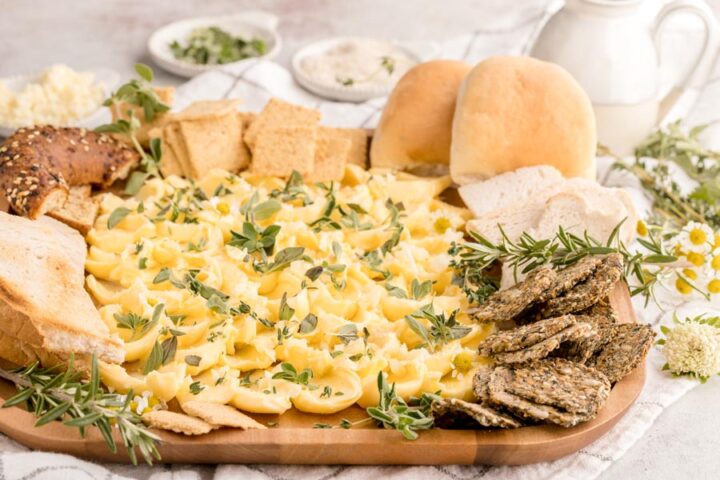
Butter is very low in carbohydrate and works in many keto recipes, but that does not make intake unrestricted. It is calorie-dense and contains saturated fat. Choose the type a recipe calls for, use a measured portion when it matters, and compare labels on butter blends or spreads.
Zero carbs, and why it is a staple
Butter labels commonly round the trace carbohydrate in a tablespoon to zero. It can add flavor to vegetables, eggs, and sauces, but "very low carb" does not establish a health halo or a required intake. Compare the current product labels, and consider saturated fat, sodium, calories, portion, the rest of the eating pattern, and American Heart Association saturated-fat guidance.
Grass-fed is worth it for flavor
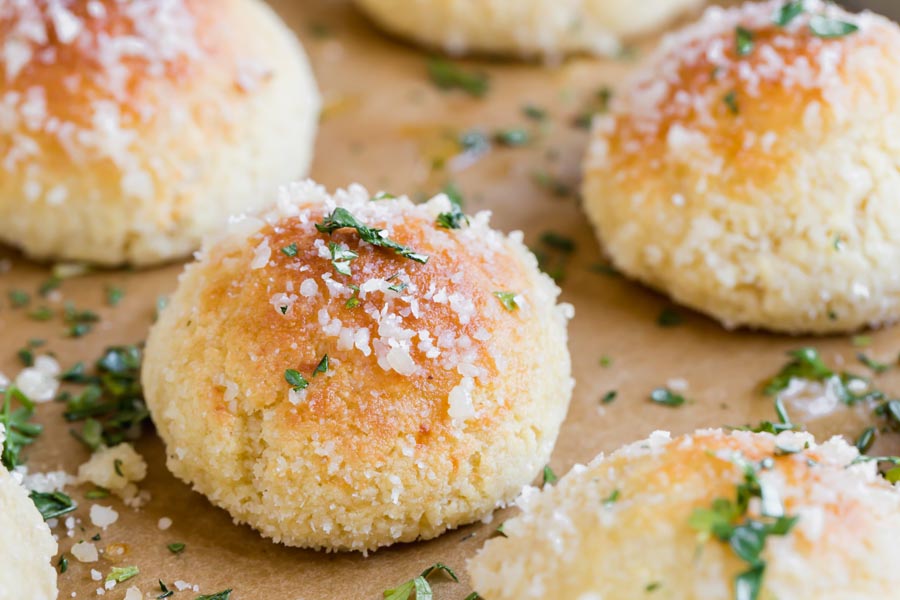
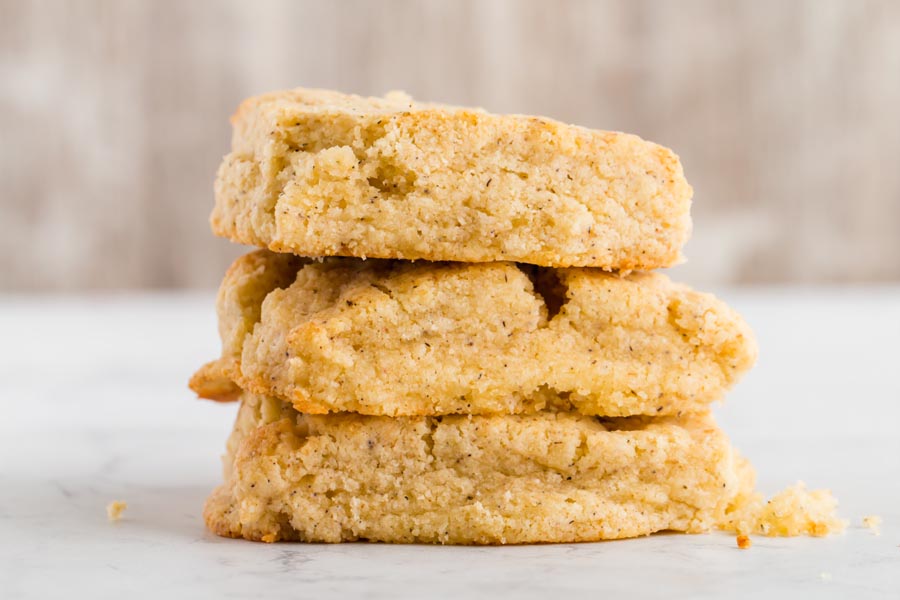
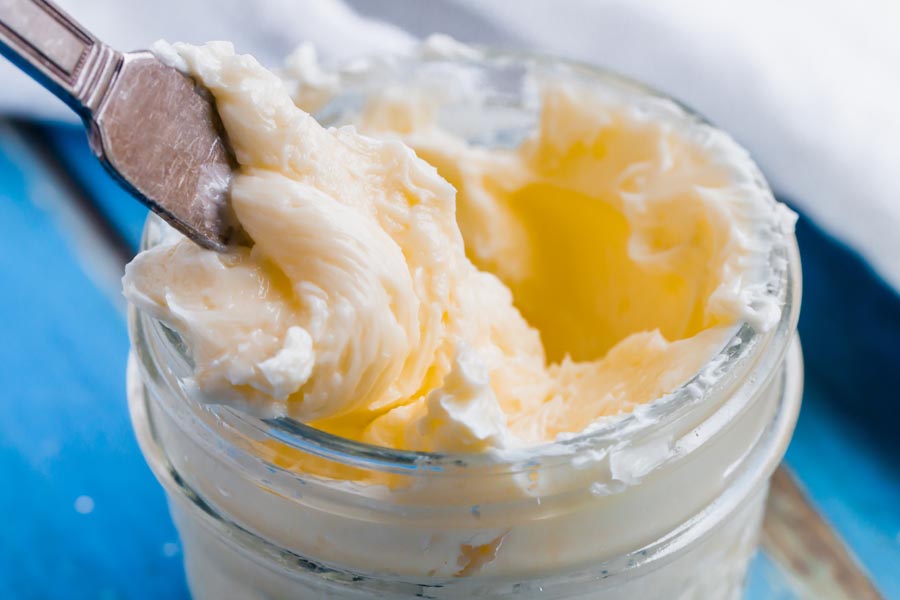
The one upgrade I think is worth the money is grass-fed butter, and the reason is taste, not macros. Grass-fed butter (Kerrygold is the easy one to find) has a deeper, almost golden flavor that shows up in anything where butter is the star. In a pan sauce, drizzled on a steak, spread on a keto biscuit, the difference is noticeable. For greasing a pan or melting into a casserole where it is a background player, regular butter is completely fine. I keep both.
Salted vs unsalted for baking
Here is the practical split I follow: unsalted for baking, salted for finishing. When I bake I want to control the salt myself, and recipes are written assuming unsalted, so salted butter can throw the seasoning off. For everything else (topping vegetables, finishing a sauce, spreading on something) salted butter adds a little seasoning for free. If you only keep one, keep unsalted and add salt as needed.
Ghee for high heat, and the margarine trap
For high-heat cooking, ghee (clarified butter with the milk solids removed) has a higher smoke point and will not brown and burn the way regular butter does over a hard sear. Worth keeping for that. Margarine and buttery spreads are different products and may behave differently in baking or high-heat cooking. If a recipe depends on butter, use butter; otherwise compare the current ingredients, serving size, total carbohydrate, saturated fat, and sodium instead of judging a product from its category name alone.

Nutrition and health note: Nutrition values are estimates and can vary by brand and serving size. This guide is for general information, not medical advice. Ask a qualified healthcare professional about dietary changes that may affect a health condition or medication.