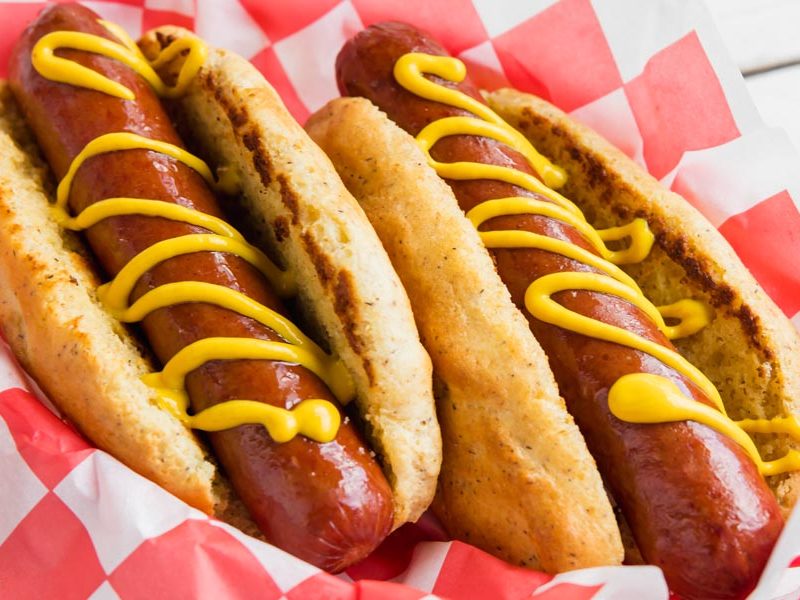
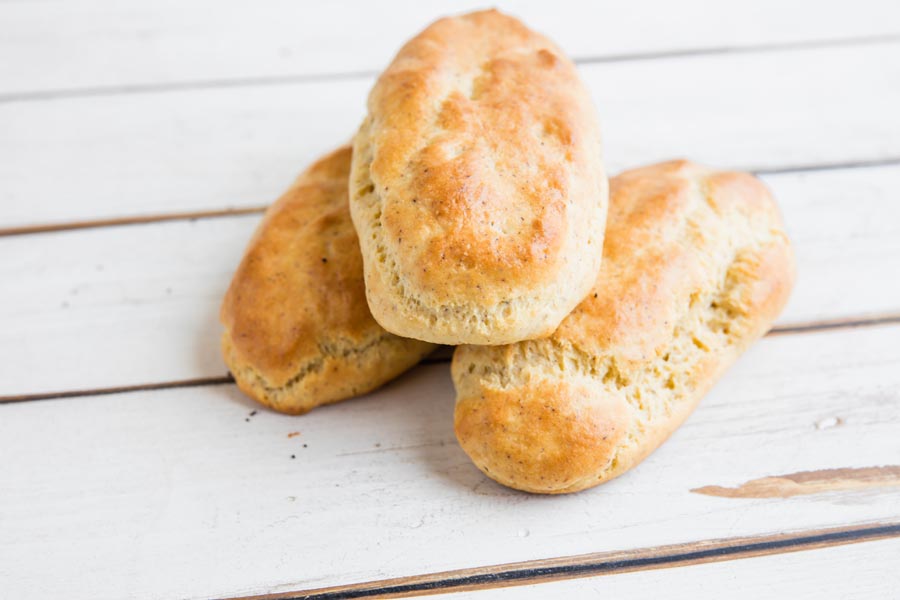
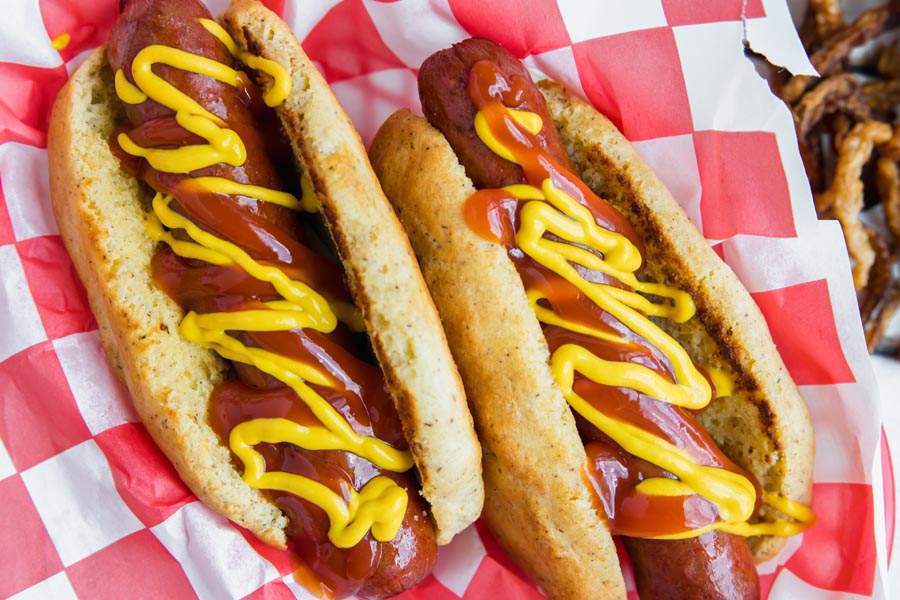
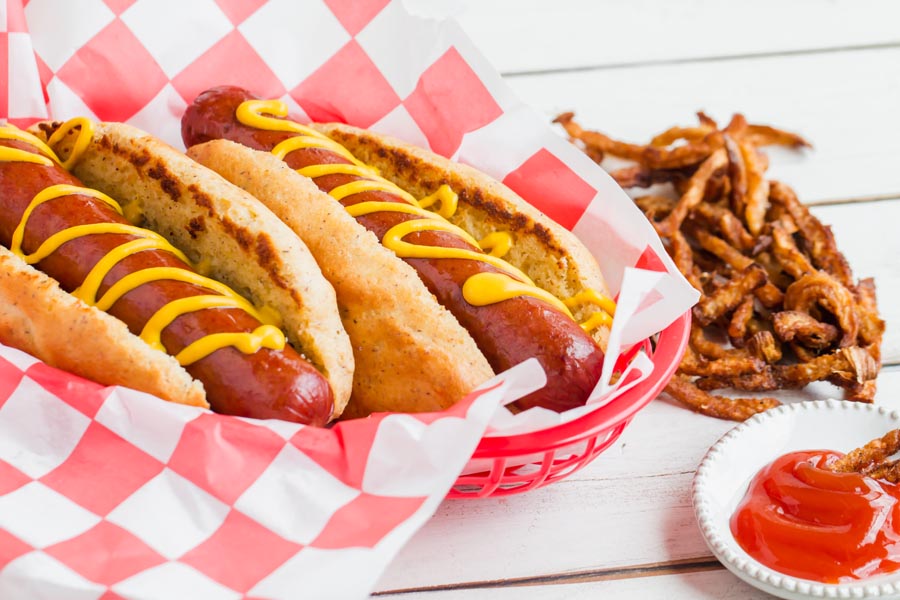
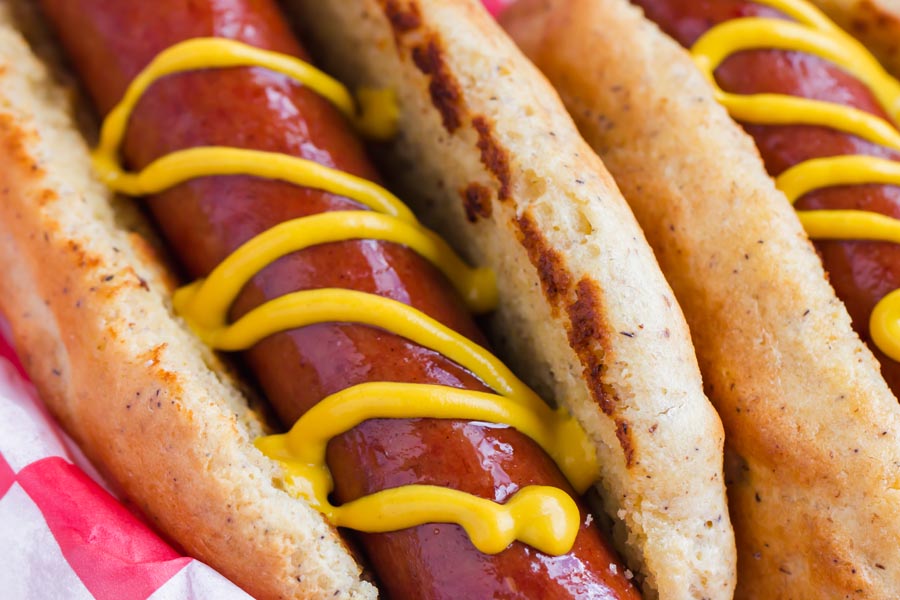
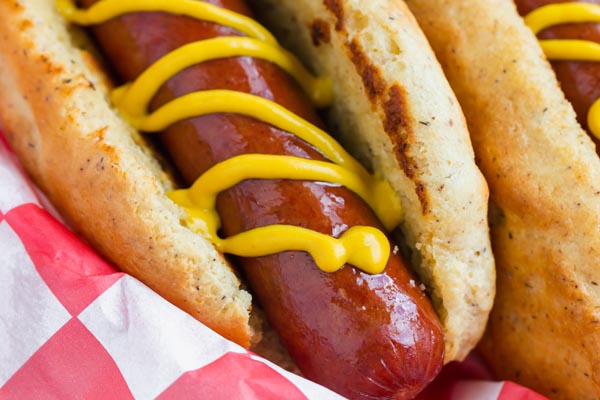
Soft inside and sturdy under loaded toppings, these low carb hot dog buns don't crumble, at 3.4g net carbs and 20.3g protein per bun. I sift the dry ingredients for a finer crumb, shape the dough with wet hands so it doesn't stick, and I let the baked buns cool 3 to 5 minutes before slicing, while the outside finishes firming up.
For years, cookout season meant eating franks with a fork or wrapping them in sad lettuce. I kept looking for a keto bun recipe that could actually function like bread, something sturdy enough to split open, flexible enough not to crack, and soft enough that my family wouldn’t notice. After multiple test batches, a few flat failures, and one very purple experiment (more on that below), this is the recipe I landed on.
Most similar recipes rely on fathead dough (mozzarella and cream cheese), but I wanted something lighter and closer to actual bread texture. My approach uses whey protein instead of cheese. Once I dialed in the ratios between almond flour, whey protein, and psyllium husk, the texture went from rubbery to genuinely bread-like.
The protein powder is the key ingredient here. It builds a stable matrix that traps air during baking, which is how these buns get lift without yeast. The psyllium adds elasticity so the dough stretches instead of cracking. I tested batches with different ratios until the buns stopped collapsing after I pulled them from the oven.
I’ve tried a few store-bought alternatives and none have the right texture. Most are too crumbly or have that odd sweetener aftertaste. I’ve heard from readers that some commercial brands spike blood sugar because of modified starch and potato starch fillers. This recipe keeps the ingredient list clean, built on almond flour, whey protein, psyllium, and flax. My kids eat these on Friday nights without complaints, which tells me the flavor passes with picky eaters.
I make a batch almost every week during summer. They freeze well and reheat in about 90 seconds in the microwave (or 5-6 minutes in a 350 degree oven if you want a slightly toasted outside). I usually shape five from one batch, but you can go smaller for slider-sized portions. When I want sliders I divide the dough into 8-10 smaller pieces, and 4 wider rounds make burger-sized buns. When I’m meal prepping for the week, I double the recipe and freeze the extras individually wrapped. The dough is forgiving as long as you shape it while it’s still pliable.
If you’re building out a low carb bread rotation, I have a few other recipes worth trying. My keto hamburger buns use a comparable dough base and work for smash burgers. For everyday sandwiches, my keto bread holds up to deli meats. My keto bread rolls are another option if you want something round and pull-apart. The 90-second keto bread is what I reach for when I don’t want to heat the oven, and my keto biscuits are a completely different texture but just as good alongside a bowl of soup.
At 3.4g net carbs per bun, these fit comfortably into a standard keto day. I’ve served them at backyard cookouts and nobody asked if they were gluten free. That’s the test I care about.
How these keto buns rise without yeast or gluten
I had to rethink everything I knew about bread structure for this recipe. Without gluten or yeast, the dough relies on a completely different set of ingredients to create lift.
Here’s what’s doing the work:
Eggs provide internal structure and lift
Baking powder creates gas expansion
Sour cream supplies acidity so the leaveners activate fully
Psyllium husk traps gas and gives the dough elasticity
The key is timing. Psyllium thickens fast, so I shape the dough within a couple minutes of mixing. Wait too long and it firms up, which kills the rise. I learned this after my first two batches came out like hockey pucks.
A note on psyllium husk (read this first)
If you’ve ever baked with psyllium husk and the bread turned gray or purple, I’ve been there. My first batch came out lavender. Not the look I was going for.
The issue is brand and grind. Some psyllium is more reactive when it hits heat and acid. I’ve had the best results with finely ground, light-colored psyllium husk powder. The coarser whole-husk versions absorb unevenly and can shift the color. If your buns come out looking off, the structure is usually still fine. Swap brands next time and the problem goes away.
Common problems and how I fixed them
Buns too dense?
I’ve had this happen when I packed the dough too tight or let it sit before baking. Shape and get them in the oven within a few minutes of mixing for the best rise.
Didn’t rise much?
First thing I check is whether the baking powder is fresh (it loses potency after a few months of sitting open). I also throw a handful of ice cubes on the bottom rack while they bake. The steam from the melting ice helps the buns puff up noticeably. This trick saved a batch I was ready to toss.
Buns crumbling when you fill them?
I’ve seen this in reader comments and reproduced it in my kitchen. It usually comes down to the protein powder type or the psyllium amount. Make sure you’re using the full 2 tablespoons of psyllium husk and that your protein powder is whey-based, not plant-based. Letting them cool for a full 5 minutes before slicing also makes a real difference in how they hold together.
Color looks off?
Almost always the psyllium brand. I covered this above. The buns still taste and hold together fine regardless of color.
What to serve with these buns
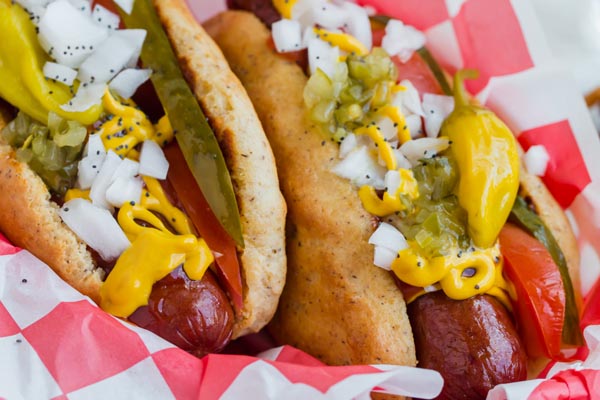
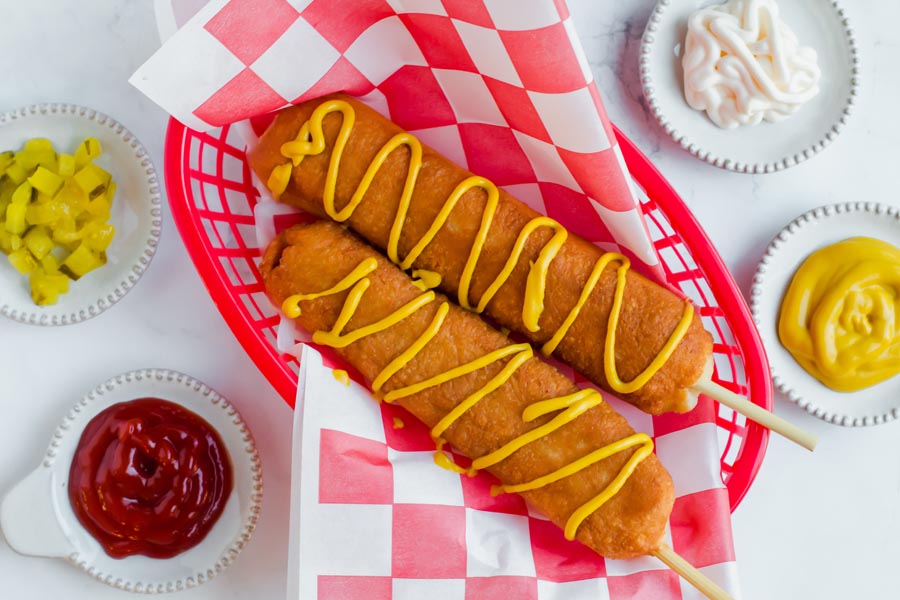
I’m a plain mustard person most of the time, but these buns handle creative builds well. Pile on chili, diced onions, and shredded cheddar for a chili dog. Go Chicago-style with sliced tomato, pickles, pepperoncini, and poppy seeds. My keto coleslaw is the side I make most often alongside these, and keto french fries round out a proper cookout plate.
For cookouts I toast the buns cut-side down in a dry skillet over medium heat for about 90 seconds before loading them. The cut face crisps up and holds heavier toppings without going soft underneath. A minute under the broiler works too, or a 350 degree oven for 5-6 minutes warms a big batch at once. I skip the pop-up toaster because these are soft enough to squish in the slots.
If the grill is already going, grilled asparagus in foil takes about 10 minutes with zero cleanup. I also like cauliflower fried rice when I want something more filling on the plate. Both come together fast while the buns bake.
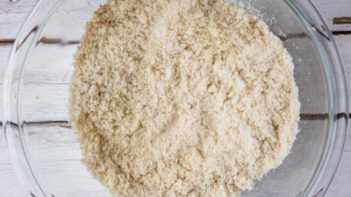
In a medium bowl, whisk or sift together dry ingredients. Sifting ingredients is preferred to get a finer texture.
For this step
1 cup almond flour
1/2 cup unflavored whey protein powder
2 tablespoons whole psyllium husk flakes
2 tablespoons golden flax seed meal
2 teaspoons baking powder
1 1/4 teaspoons xanthan gum
1/2 teaspoon salt
3
Finish dough
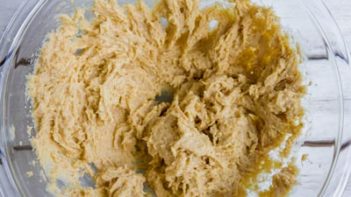
Add eggs, melted butter and sour cream to dry ingredients. Mix until combined.
For this step
2 eggs
1/4 cup unsalted butter, melted
2 tablespoons sour cream
4
Form into hot dog buns
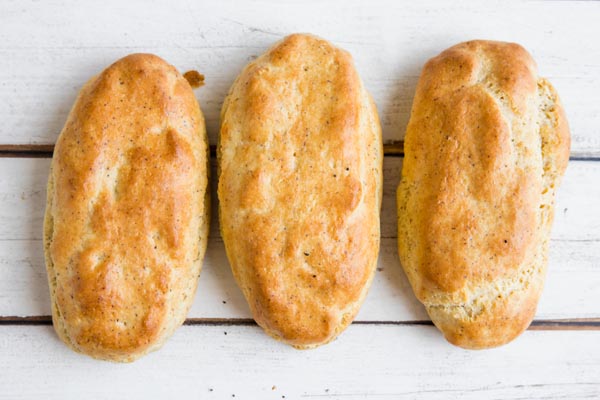
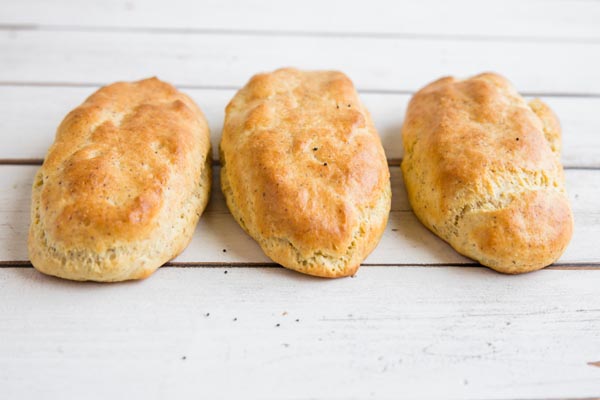
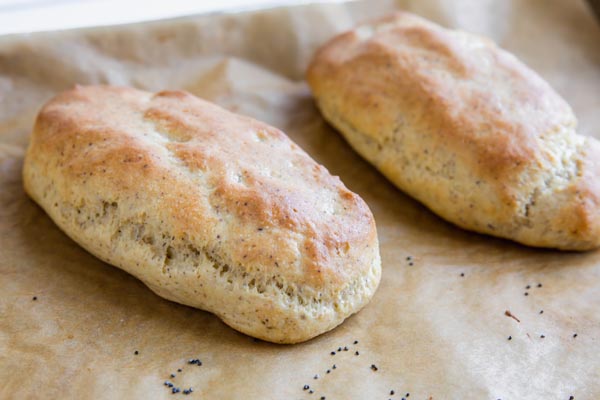
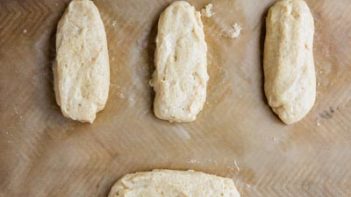
Wet your hands with some water or oil in order to handle the dough. This will prevent the dough from sticking to your hands. Grab a handful of dough, form it into an oblong hot dog shape and place on a parchment lined baking tray. Continue with remaining dough. You can form your desired size. I can make about 5 normal sized hot dog buns with this recipe. Evenly place dough balls on the tray spacing about 1 inch apart.
5
Bake the buns
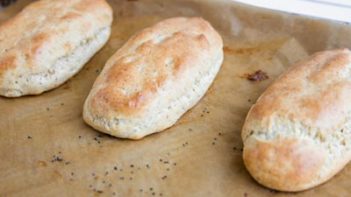
Bake at 400 degrees F for 12-13 minutes or until slightly hardened on the outside and spongy to the touch. Let cool for 3-5 minutes before slicing.
Nutrition
Per serving: 1 Bun
Calories
310
Fat
23.8g
Protein
20.3g
Total carbs
8.7g
Net carbs
3.4g
Nutrition is an estimate calculated from the ingredients listed. Brands vary, so check labels if you track closely.
Frequently Asked Questions
Can I freeze these buns?
Yes, and my one rule is to let them cool completely on a wire rack before wrapping each bun individually. Wrapped that way, they keep about 2 months in the freezer. You can freeze the raw dough too, but I find the texture is better when you bake first and freeze after.
Could I use coconut flour instead of almond flour?
I've tested coconut flour as a swap and the buns come out noticeably denser. Coconut flour absorbs significantly more liquid than almond flour, so the ratios don't translate 1:1. If you need a nut-free version, I'd increase the eggs by one and add an extra tablespoon of sour cream to compensate, but expect a heavier texture.
Can I leave out the protein powder?
I wouldn't skip it. The whey protein is what gives these buns their internal structure. It builds the matrix that traps air during baking, so without it the dough doesn't hold bubbles and you end up with a flat, dense puck. I tried a batch without it early on and the results weren't usable. I haven't found a substitute that holds the same structure, so plan on unflavored whey for this one.
Can I make these dairy-free?
The sour cream and butter are the only dairy in this recipe. I haven't developed a fully dairy-free version, but reader Jason tested Greek yogurt in place of sour cream after six batches and found it tightened up the texture just enough to hold a loaded frank. For the butter, I'd try melted coconut oil. The whey protein is technically dairy-derived, so if you need completely dairy-free, you'd need to swap that too. I haven't found a plant-based protein powder that holds the same structure.
Which whey protein brand works best?
I use unflavored whey protein isolate. Isopure is a popular choice and it is gluten free (I get this question a lot from readers). The key is unflavored, not vanilla or chocolate. Flavored protein powders change the taste noticeably. I've tested a few brands and as long as it's unflavored whey isolate, the buns turn out consistently.
Are these worth making instead of buying store-bought keto buns?
I've tried several packaged versions and kept coming back to making my own. At 3.4g net carbs per bun these run lower than most boxed options I've tested, and I control the ingredients, so there's no modified starch or resistant wheat starch (a few readers told me the commercial brands spiked their blood sugar). I also get more protein from the whey and about 5g of fiber from the psyllium and flax. The trade-off is time, since a batch runs about 18 minutes, but I make five at once and freeze the extras individually wrapped.
Making these for a cookout next weekend. Can’t bake same-day. Can I freeze them after baking, or will the psyllium husk and xanthan gum make the texture weird after thawing?
Psyllium and xanthan actually freeze really well. Bake, cool on a rack, wrap individually and bag. Keeps 2 months, I microwave mine 60-90 seconds from frozen.
These freeze better than I expected, and if you’re making them for summer cookouts that’s genuinely the move. Cool them completely, wrap each one individually, freeze flat, then thaw in the fridge overnight. Slice and toast cut-side down in a dry skillet for 90 seconds before loading them up. The interior tightens a little in the freeze-thaw and somehow that helps them hold together under sauerkraut or heavier toppings. I also add a small pinch of onion powder to the dry mix. Quiets that protein powder edge without going overboard. Doesn’t change the texture at all. Double batch every time now.
The onion powder for the protein edge is one I haven’t tried. Mine goes in the microwave after freezing, not the skillet. Trying that cut-side down method next batch.
Used brown butter instead of regular melted and the flavor shift is real. Nuttier, more depth, and it masked the eggy protein taste. Worth the extra two minutes.
Greek yogurt firms the texture up a bit. Had a reader put in six batches testing it before I felt confident recommending it. And a fully loaded dog is the real test.
Never made anything with psyllium husk before and the dough looked so wrong when I first mixed it that I was ready to throw it out. Wet my hands like the recipe said and shaped them anyway, and they actually looked like buns going into the oven. Pulled them at 13 minutes and the outside had this firmness I wasn’t expecting. Loaded mine up and the bottoms didn’t fall apart at all. Giving four stars because I’m sure I’ll do better once I’ve made them a few times, but for a first attempt this was a win.
First time working with almond flour dough and honestly kept waiting for it to go sideways. Wetting my hands like the recipe says actually made shaping them way easier than expected. They puffed up and looked like real hot dog buns! Is the sour cream what stops them from being dense?
The sour cream adds moisture and a little fat, but the whey protein is what actually fights density. Skip the sour cream and they still hold up. Skip the protein powder and you get a puck.
I’ve made probably five other keto hot dog bun recipes and every single one either crumbled the second I loaded it or had that dense almond flour brick thing going on. The psyllium husk in this one actually makes the inside soft. Not keto-soft. Just soft.
‘Not keto-soft. Just soft.’ That’s the whole target. Took me a while to dial in the psyllium ratio. Too much and it tips gummy, not enough and you’re back to the brick.
Tried Greek yogurt instead of sour cream and got almost the same texture, maybe a touch springier. Egg wash plus sesame seeds right before the oven. Not going back to plain tops.
Okay so I swapped the butter for coconut oil because that’s literally all I had, and these came out incredible for a first attempt from someone with zero idea what psyllium husk was. (I actually had to look it up and was convinced I’d bought the wrong thing at the store.) The dough felt so weird and sticky working with wet hands but I just trusted the process and threw them in at 400°F, and when I pulled them out I was genuinely shocked they held their shape. They’re a little denser than I’d like, which is why I’m not giving five stars, but the coconut oil swap gave them this subtle sweetness that worked really well with a spicy sausage. Made these for a backyard cookout today and I kept sneaking bites before anyone even sat down. Only 3.4g net carbs is freaking wild for something that actually feels like a real bun.
Butter emulsifies the dough in a way coconut oil can’t quite match, so the denser crumb makes sense for the swap. Coconut oil sweetness with spicy sausage though – that I’m actually going to try.
Hot dog buns were the one thing I figured I’d given up for good on keto. That psyllium husk chew made me stop mid-bite. Reminded me of every summer cookout I’d been dreading. Thanks for testing this one.
The psyllium chew is the one thing I can’t fully engineer out of this recipe. It does mellow by day two, and freezing then reheating actually helps more than I expected. Worth making a batch ahead before cookout season.
Hot dogs were the one thing I was ready to give up going keto. These held up. Loaded mine with sauerkraut and spicy mustard. The psyllium husk taste comes through if you’re looking for it.
Sauerkraut and spicy mustard, yes. The psyllium taste is real – it softens a bit by day two but it’s there. Cutting back on it wrecks the texture, so it’s kind of a trade-off.
Six batches in and swapping the sour cream for Greek yogurt tightened up the texture just enough that they hold a loaded hot dog without falling apart.
No baking soda is needed. The baking powder helps to raise the dough by creating air bubbles the protein powder forms a stable protein matrix to hold the bubbles in place.
Commercial keto buns usually have modified food starch or potato starch in them (that’s what’s spiking you). This one is just almond flour, psyllium husk, whey protein, and flax.