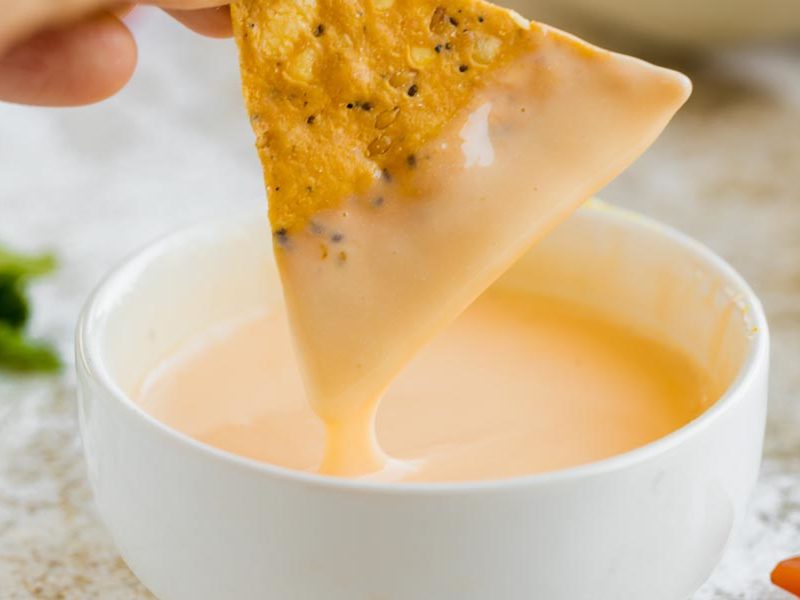
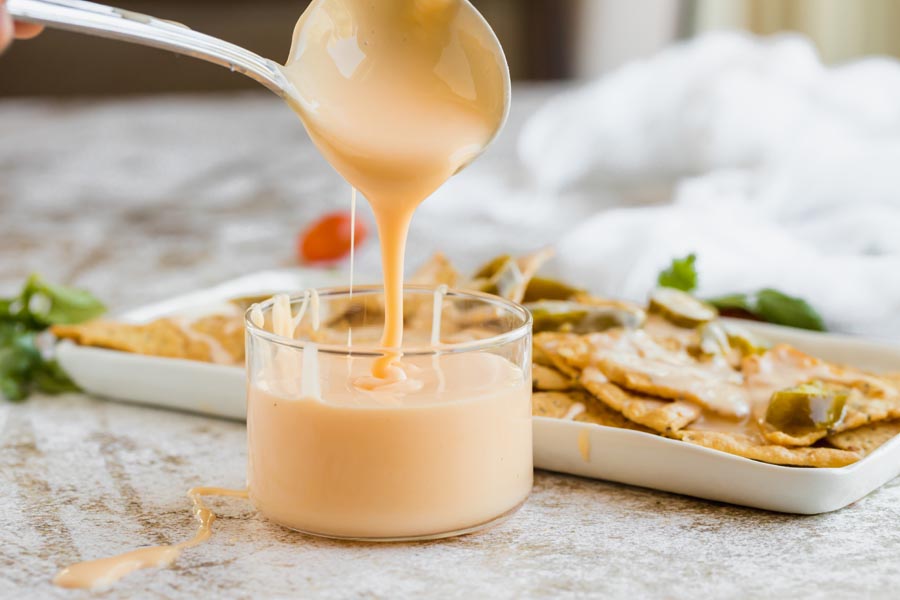
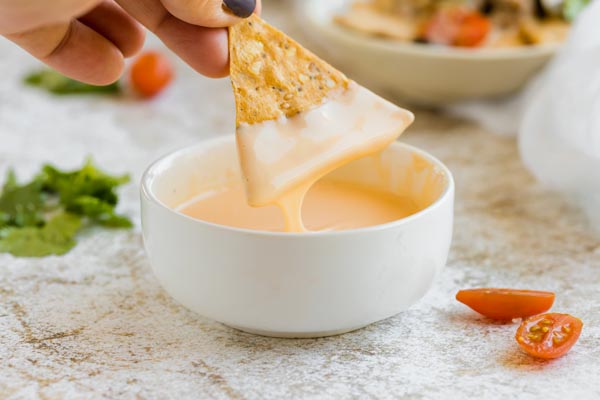
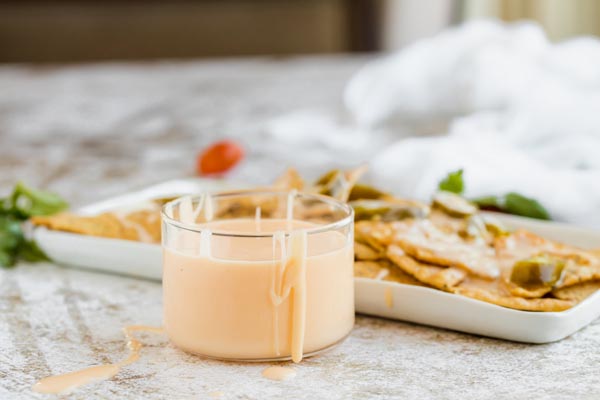
No graininess, no greasy puddles, just keto nacho cheese sauce that melts silky smooth every time. I built it on three real cheeses and sodium citrate, so it pours like real queso, with 0.1g net carbs and 11.8g protein.
I've made more queso recipes than I can count, and this is the one I come back to every single week. Three real cheeses, water, and one tablespoon of sodium citrate give you a smooth, pourable sauce that stays creamy from the first dip to the last. No thickeners. No processed cheese. Just real ingredients doing what they're supposed to do.
Most queso recipes use almond flour or xanthan gum to hold the sauce together, and both fail. Almond flour makes it grainy. Xanthan gum turns it slimy. I went through both of those phases before I found sodium citrate, and I haven't looked back. It emulsifies the cheese proteins so the fat and liquid stay blended instead of separating into a greasy mess. That's why this sauce pours like the nacho cheese you remember from stadiums, except it's made from sharp cheddar, fontina, and swiss.
Some queso dip recipes lean on American cheese because it melts easily, but American cheese is a processed cheese product, not actual cheese. It's higher in carbs and tastes like it. Others call for cream cheese as a base, which also adds carbs without adding much flavor. I'd rather use three real cheeses and let the sodium citrate handle the texture. The result is a low carb cheese sauce that tastes better and has fewer carbs per serving than anything built on processed ingredients.
This is one of those recipes that does double duty in my kitchen. I pour it over cauliflower tots, drizzle it on cheese taco shells, and use it anywhere I'd normally reach for my keto alfredo sauce. I've even stirred it into scrambled eggs on mornings when I want something more interesting than butter. It reheats clean with just a splash of warm water, so I batch it on Sundays and use it all week. The sodium citrate keeps the emulsion stable even after refrigeration, so there's no re-melting drama on Tuesday night.
If you've tried making queso before and ended up with a broken, oily sauce, this recipe fixes that. The three-cheese blend gives you depth (cheddar for punch, fontina for stretch, swiss for a subtle nutty finish), and the sodium citrate ties it all together. No xanthan gum, no almond flour, no processed cheese products. Just real ingredients and a technique that works every time I make it.
The three-cheese blend
This queso is built on three cheeses, and each one pulls its weight. Sharp cheddar makes up the bulk, giving the sauce its deep yellow color and that punchy, savory flavor you want in a good queso. Fontina is the second cheese. I use less of it, but it’s what makes everything stretchy and silky once it melts (fontina also has zero carbs, which is a bonus). The third is swiss. I only add a few tablespoons, but it rounds out the flavor with a slightly sweet, nutty note that keeps the sauce from being one-dimensional. I’ve tried this with just cheddar, and it’s fine, but the three together are what make it something I actually crave.
Skip the pre-shredded cheese
Pre-shredded cheese from the bag won’t work here. Those bags are coated in potato starch and anticaking agents to keep the shreds from clumping, and that coating interferes with melting. You won’t get a smooth sauce if the cheese has starch on it. I learned this the first time I tried making keto queso with bagged cheddar and couldn’t figure out why it was gritty. Grate your own from a block. It takes an extra minute and the difference in texture is obvious. You’ll end up with a smooth, pourable sauce that coats chips the way it should.
What sodium citrate does (and why I use it)
Sodium citrate sounds like a lab ingredient, but it’s really just a type of salt found naturally in citrus fruits. It works as an emulsifier, meaning it makes the cheese proteins more soluble so the fat and liquid don’t separate. Even a tiny amount swaps its sodium for the calcium holding the cheese proteins together, which turns shredded cheese into a thick, pourable sauce. I use it anytime I need melted cheese to cooperate: mac and cheese, broccoli cheddar soup, fondue. I buy mine on Amazon for around $10, and a single bag lasts months since you only need a tablespoon per batch. Once you try it, you’ll reach for it constantly. Make sure you buy food-grade sodium citrate, not the industrial version.
Storage and freezing
This sauce keeps in the fridge for up to a week. I make a batch on Sunday and portion it into small containers so I can grab one for weeknight dinners. Pour it over salsa chicken, stir it into scrambled eggs, or just reheat it for dipping. Add warm water in small splashes when reheating, not all at once, or it swings too thin in the other direction.
You can also freeze it. The sodium citrate keeps the emulsion from breaking when it thaws, so the texture stays smooth even after freezing. I store portions in freezer-safe containers for up to three months. Thaw overnight in the fridge and warm it on the stove with a splash of water. It comes back to nearly the same consistency as fresh.
Keto tortilla chip options
You can buy low carb tortillas, cut them into triangles, and fry them yourself, but those do contain gluten. Corn tortillas are too high in carbs for me.
Instead, I grab one of these store-bought options. They’re keto-friendly, gluten-free, and easier than making your own.
If you can’t find those, pork rinds work. Most grocery stores carry them. I’ve also tried avocado chips as a base, and the crunch holds up under the sauce.
My favorite nacho toppings
When I’m building a full plate of nachos, here’s what I pile on besides the queso.
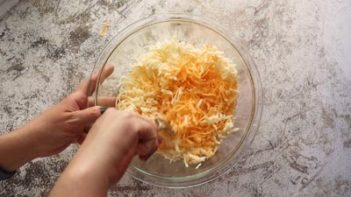
In a medium bowl, combine cheddar cheese, fontina cheese and swiss cheese. Toss until mixed.
2
Simmer
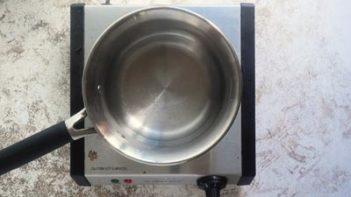
In a medium saucepan, whisk together ⅔ cup water and sodium citrate over medium heat. Stir until sodium citrate dissolves and the mixture begins to simmer. (Warning: Do not use a Calphalon pan.)
3
Add cheese
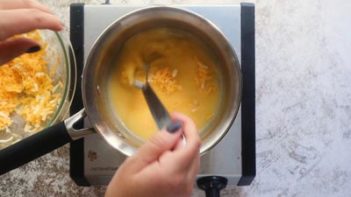
Gradually add one handful of the cheese blend at a time, stirring constantly. Make sure the cheese is fully incorporated until adding the next handful.
4
Thicken the sauce
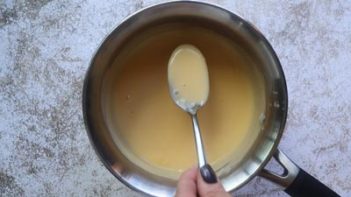
Reduce heat to medium-low and whisk in remaining ⅔ cup water. Stir until slightly thickened, about 2-3 minutes. Mixture will continue to thicken as it cools. For a thicker sauce, simmer longer. For a thinner sauce, add more water if needed.
Nutrition
Per serving: 1/6 of recipe
Calories
195
Fat
14.8g
Protein
11.8g
Total carbs
0.1g
Net carbs
0.1g
Nutrition is an estimate calculated from the ingredients listed. Brands vary, so check labels if you track closely.
Frequently Asked Questions
Can I make this in the microwave?
I've confirmed this works. Heat the water and sodium citrate in a glass bowl first, then add cheese a handful at a time, microwaving in 30-second intervals between each addition. The 30-second intervals matter because the cheese goes grainy fast if you overheat it. Add water a tablespoon at a time until you like the consistency. I still prefer the stovetop for control, but the microwave method is solid when you don't want to dirty a saucepan.
What can I add to make it spicy?
I stir in a pinch of cayenne or a few slices of pickled jalapeno right at the end, after the sauce is already smooth. Garlic powder and cumin also work if you want more of a Tex-Mex direction. I always add spices after the cheese is fully melted so I can taste as I go. Start small because the heat concentrates as the sauce thickens.
Can I make a white queso version?
I'd swap the cheddar and swiss for Monterey Jack. It melts smooth and won't overpower green chilies if you're going that direction. Keep the sodium citrate and the same water ratio. I've made a white version with Monterey Jack and a can of diced green chilies stirred in at the end, and it turned out creamy and mild with just enough kick.
Why does my cheese sauce get grainy?
Graininess usually comes from one of two things: pre-shredded cheese (the starch coating interferes with melting) or adding cheese too fast on high heat. If you're using block cheese and it's still grainy, try adding smaller handfuls and keep the heat at medium. The sodium citrate in this recipe prevents most graininess on its own, but rushing the process can still cause the proteins to seize. I always stir constantly and keep my burner no higher than medium.
Where do I buy sodium citrate?
I buy mine on Amazon. A bag costs around $10 and lasts for months since you only use a tablespoon per batch. I've also seen it at specialty cooking stores and some Whole Foods locations, but Amazon is the most reliable source I've found. Make sure you get food-grade sodium citrate, not the industrial version.
What cheese can I use instead of fontina?
Provolone is my go-to substitute. It melts similarly and won't change the flavor much. I've also used Gruyere when I had some on hand, and it added a nice depth, though it's pricier. Stick with cheeses known for melting well. Harder aged cheeses like Parmesan won't give you the same stretchy, smooth texture that fontina provides.
Why can't I use a Calphalon pan?
I discovered this the hard way. The sodium citrate's acidity reacts with Calphalon's nonstick surface and can damage the coating. I use a stainless steel saucepan for this recipe and anything else that involves sodium citrate. If all you have is nonstick, the microwave method in a glass bowl works as an alternative.
Can I freeze this nacho cheese sauce?
I freeze batches of this all the time. The sodium citrate keeps the emulsion from breaking when it thaws, so the texture stays smooth instead of turning grainy or separating. I portion it into small freezer-safe containers and store them for up to three months. Thaw overnight in the fridge, then warm on the stove with a splash of water. It comes back to nearly the same consistency as fresh.
195 calories for something that pours this smoothly, I had to run the numbers twice. My aunt used to keep a little Crock-Pot of queso going at every family gathering, Velveeta and Rotel somehow staying velvety for hours, and I never understood how until I read this ingredient list. The sodium citrate is doing the same work those processed blocks were doing, just with actual cheese. Making this next weekend.
Can’t find fontina locally and won’t drive across town for it. Would gruyere work, or does the melt profile mess with the sodium citrate emulsification?
Gruyere works. The sodium citrate handles the emulsification regardless of the cheese type, so the melt profile isn’t your problem here. It’ll add a nuttier depth than fontina, but the sauce stays smooth.
Swapped the fontina for smoked gouda and honestly worth hunting down. Still pours smooth, still no graininess (sodium citrate earns its keep), just smokier and more of that low savory thing I wanted.
Couldn’t find fontina so I used pepper jack instead, and it came out spicier and freaking perfect for drizzling over taco bowls. Also as someone who had never worked with sodium citrate before, do not skip it, the no-grain no-grease thing is real.
Nobody talks about how well this sauce reheats, but that’s honestly what got me making a big batch every Sunday. By Wednesday it had thickened pretty solid in the fridge, so I’d put it back in the saucepan with a couple tablespoons of water over really low heat and whisk slowly until it came back (same consistency, pourable, no graininess). Tested it a few times now. The only thing that matters is not rushing it. Turn the heat up even a little and the edges start looking off before the center warms through. I’m pretty sure it’s the sodium citrate, because every other homemade cheese sauce I’ve reheated just splits or goes gritty. This one doesn’t. I keep a jar basically permanently in my fridge now.
The patience thing is real. I’ve nudged the heat and the edges always start looking off before the center even warms through. Two tablespoons of water and just wait.
Ordered sodium citrate just for this and my first attempt came out completely smooth, though I’ll probably add a pinch of cayenne next time to give it a little kick.
My son has been a Velveeta loyalist his whole life, so I didn’t have high hopes when I made this. Used the full fontina and sharp cheddar blend, whisked in the sodium citrate the way the recipe says, and the texture came out so smooth I actually stopped and looked at the pan. He dipped a chip in before I could plate it and told me it was better than the canned stuff. That’s not a compliment he gives easily.
First time using sodium citrate for anything and I honestly wasn’t sure it would work. The sauce came out completely smooth, which alone made me pretty happy since every cheese sauce I’ve attempted before has broken into a greasy mess. Four stars because it needed a lot more salt than I expected. I tasted it at the end and had to add a big pinch plus garlic powder to get it where I wanted. Good base recipe though, and now I know to season as I go instead of waiting.
Saltiness varies a lot by cheddar brand. Some barely need any added, others need a heavy pinch at the end. Garlic powder and cumin are both in my regular rotation for this one.
Quick tip: if the sauce starts thickening once it’s out of the pan, a small splash of warm water whisked in brings it right back. Figured this out mid-party in a minor panic when I poured it into a bowl for game day and it started setting up way faster than I expected.
Yeah, sodium citrate locks the emulsion fast once it cools down. The warm water trick works. Add it in small splashes though, not all at once, or it swings thin in the other direction.
My husband grabbed the spoon after I added the fontina and just stood there stirring, which never happens. No graininess at all, which is apparently his number one complaint about every queso I’ve ever made. I might cut the water back slightly next time, felt just a touch thin for chip dipping.
This recipe for nacho cheese is wonderful. So simple and delicious. I usually double the recipe. Much better than that velvetta stuff.
I put it in “take away” microwaveable containers and store on my fridge. But they keep disappearing, hum so good and quick 1 minute heat in microwave with pork rinds. Awesome!
Ha, the containers disappearing is a real problem. I started stashing one in the back of the fridge so I can actually get to it. Pork rinds are the right call.
In one of your videos on YouTube you used a powdered cheese, but now I can’t locate the video. After watching the Nacho Cheese Recipe video, I’m wondering if the podered cheese is even necessary to have on hand?
I used the powdered cheese for cheez-its and keto doritos. Unless you plan on making those, you don’t have to have the powdered cheese on hand. Hope that helps!
Thank you for this recipe! 🙂 Can the cheese sauce be frozen in serving sizes and reheated? Also, I would like to make a white version with green chilies. Any suggestions on what cheese I should use?
Freezing works well with this one (the sodium citrate keeps it from breaking when you thaw). Just add a splash of water when you warm it back up. For white with green chilies, I’d go Monterey Jack. Melts smooth and won’t overpower the chilies.
Saw this recipe on Highfalutin. I only have one sauce pan and it’s non-stick, I opted to do this in the microwave in a glass bowl. I came out perfect. Heated the water and sodium citrate first and gradually add the cheese, microwaving 30 secs at time until blended continued repeat to add cheese & 30 secs. Gradually added water 1 Tbsp at time until happy with the consistence. Yum… Yum Yum