Keto Taco Seasoning

Published August 4, 2019 • Updated July 14, 2026
This post may contain affiliate links. See my disclosure policy.
My homemade keto taco seasoning uses 7 real spices with zero fillers, landing at just 1.6g net carbs per tablespoon compared to 4-5g in store-bought packets like McCormick or Old El Paso. One batch makes about 2 tablespoons (enough for a pound of meat) and it is naturally gluten-free.
Why I stopped buying taco seasoning packets
I flipped over a McCormick taco seasoning packet a few years ago and actually read the ingredients. Maltodextrin, sugar, cornstarch. More than half the packet was filler, not spice. That single tablespoon had 4 to 5 grams of carbs, and most of those carbs came from ingredients that had nothing to do with flavor. I started mixing my own blend that same week and never went back.
This recipe uses only real spices, salt, and pepper. The result is 1.6 grams of net carbs per tablespoon with stronger flavor because every ingredient in the jar is an actual spice. No cornstarch bulking it up, no sugar smoothing over weak ratios. It is also naturally gluten-free, Whole30 compliant, and paleo-friendly since there are no grains, dairy, or sweeteners.
What each spice brings to the blend
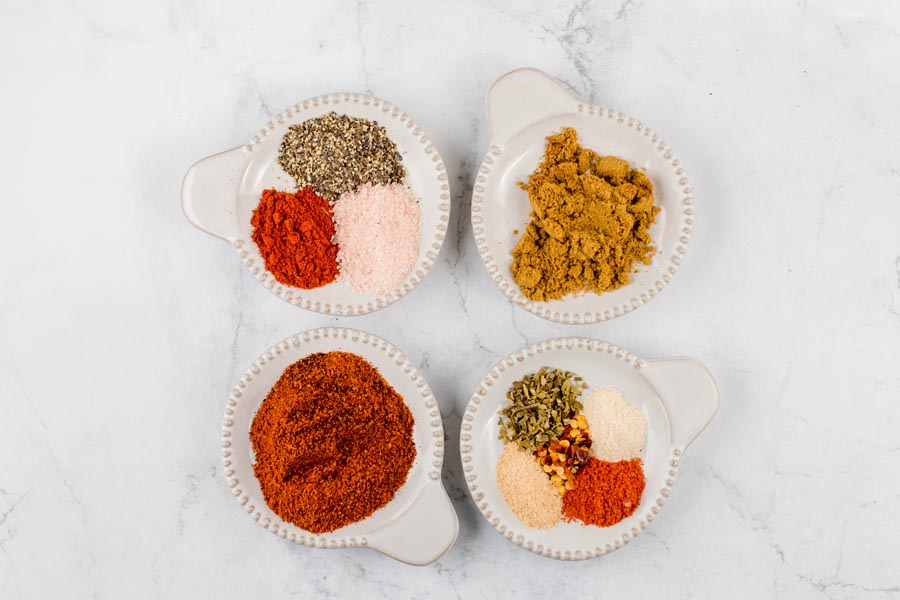
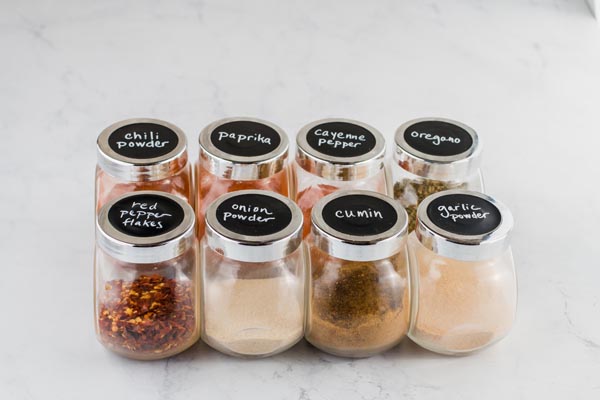
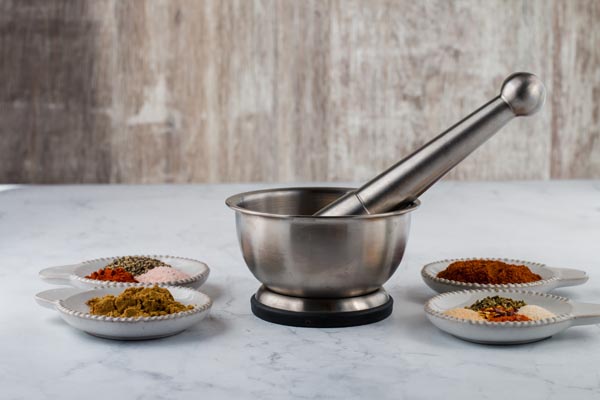
Chili powder is the backbone. It provides the warm, earthy heat that makes this blend taste the way it does. Cumin adds smoky depth (I use a slightly higher ratio than most recipes because I think it separates a good blend from a flat one). Paprika rounds out the color and gives mild sweetness without sugar. Garlic powder and onion powder handle the savory base, and oregano ties everything together with a slight herbal note. I tested batches with cayenne, smoked paprika, and ancho chili powder before settling on these ratios.
How much to use
One batch makes about 2 tablespoons, which is enough to season one pound of ground beef, ground chicken, or ground turkey. For a bigger meal prep (4 pounds of meat for the week), I triple or quadruple the recipe and keep it in a mason jar. Having a jar ready to grab saves me a step every single time I cook.
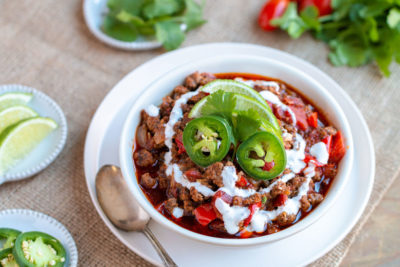
For lighter proteins like fish or shrimp, I start with half and taste as I go. The blend also works as a dry rub on chicken thighs, pork chops, or steak before grilling. I use it in low carb smashed dumpling tacos, on cilantro lime chicken, and as the base in my chicken fajita marinade. It is also great with keto nacho cheese sauce drizzled over seasoned ground beef.
A note on salt
I keep the salt at 1/2 teaspoon per batch because I can always add more at the table. If you are using salted butter or broth in the same dish, cut the salt in half or skip it entirely. A few readers have mentioned the blend tasting too salty, and every time it turned out they were doubling up on salt from other ingredients. Taste as you go.
How to make this homemade spice blend
- Measure the spices. Add chili powder, cumin, paprika, garlic powder, onion powder, oregano, salt, and pepper to a small bowl or jar. No cooking required.
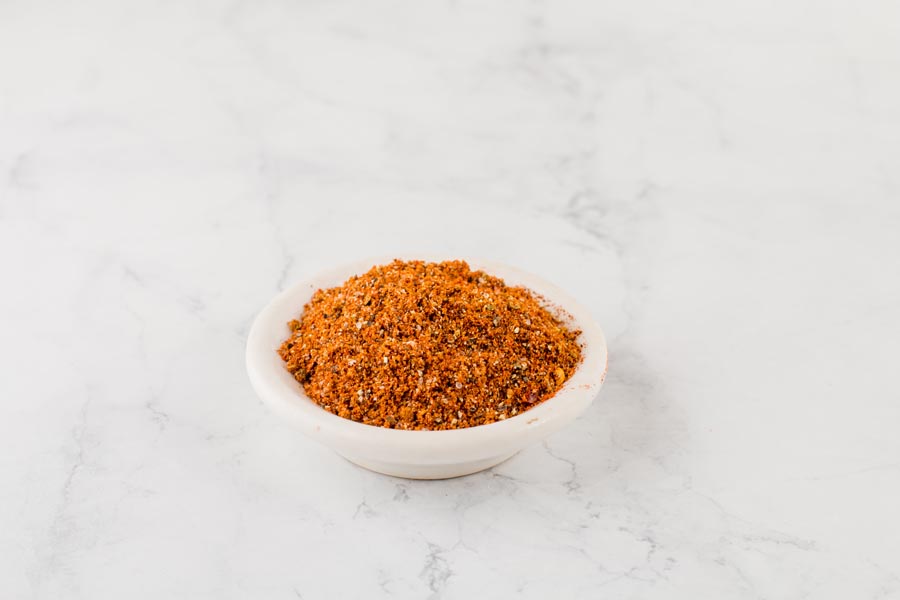
- Mix until combined. Stir or shake until the spices are evenly distributed. The color should be a uniform reddish brown with no visible pockets of a single spice.
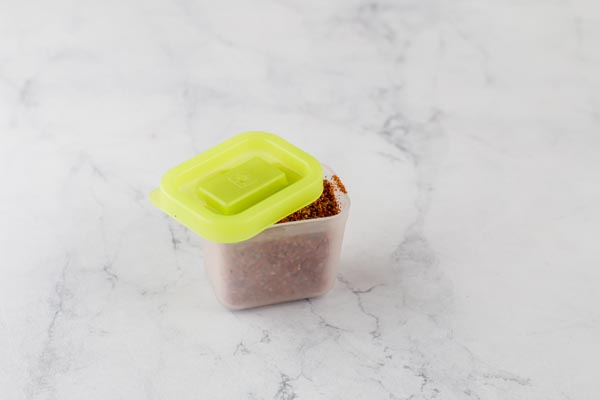
- Store or use immediately. Transfer to an airtight jar or container. Use the full batch for one pound of meat, or store for later. The blend keeps its flavor for up to 6 months in a cool, dry spot.
Tips for the best results
- Fresh spices matter. If your chili powder or cumin has been in the cabinet for over a year, the flavor will be muted. Smell the jar before using it. If there is barely any aroma, replace it.
- Adjust heat to your preference. This blend is mild to medium. For more kick, add 1/4 teaspoon cayenne pepper. For a smoky flavor, use smoked paprika instead of regular.
- Batch it ahead. Double or triple the recipe and store in a mason jar. Having a jar ready to grab saves 2 minutes on every taco night for months.

Explore hundreds of keto recipe videos with step-by-step instructions, tips, and tricks to make keto easy.
Ingredients
 1 tablespoon chili powder
 -
1 ½ teaspoons ground cumin
-
1 teaspoon salt
-
1 teaspoon ground black pepper
-
1/2 teaspoon paprika
-
1/4 teaspoon garlic powder
-
1/4 teaspoon onion powder
-
1/4 teaspoon crushed red pepper
-
1/4 teaspoon cayenne pepper
-
1/4 teaspoon dried oregano leaves
Step by Step Instructions
Step by Step Instructions
Combine the ingredients
Add all ingredients to a small bowl.

Whisk it
Whisk together until combined.

Nutrition disclaimer
The nutrition information provided is an estimate and is for informational purposes only. I am a Doctor of Pharmacy (Pharm.D.); however, this content is not intended to be a substitute for professional medical advice, diagnosis, or treatment. Always consult your physician or other qualified health provider before making any lifestyle changes or beginning a new nutrition program.
Your Macros. Your Recipes. Calculated in 60 Seconds.
Get personalized keto macros and instantly see which recipes fit your targets. No more guessing what to eat.
Get My Macros + Recipes →Frequently Asked Questions
Are store-bought taco packets keto-friendly?
I checked the labels on McCormick and Old El Paso packets, and neither works well for keto. A single tablespoon runs 4 to 5 grams of carbs because the first few ingredients after spices are maltodextrin, cornstarch, and sugar. One full packet on a pound of meat adds 12 to 15 grams of carbs just from the seasoning before you have added anything else to the meal. My homemade version lands at 1.6 grams per tablespoon using only real spices, which comes out to about 6.4 grams total for a full batch across 4 servings. I stopped buying packets in 2018 and the flavor is better anyway.
How much seasoning should I use per pound of meat?
I use the full batch (about 2 tablespoons) for one pound of ground beef or ground chicken. For fish or shrimp, I start with half and taste as I go because lighter proteins get overwhelmed faster. When I make steak strips or chicken thighs, I use the full amount as a dry rub and press it into the surface before cooking. If you find it too strong, start with 1 tablespoon per pound and work up from there.
Is this recipe gluten-free and Whole30 compliant?
Yes. Every ingredient in my blend is a whole spice, salt, or pepper. No grains, no cornstarch, no sugar, no dairy. I have made this for friends doing Whole30 and paleo and it fits both without any modifications. The reason store-bought packets fail those diets is the filler (maltodextrin, modified food starch), which I skip entirely.
What is the difference between chili powder and chile powder?
Chili powder (with an 'i') is a pre-made blend that usually includes cumin, garlic powder, oregano, and sometimes salt on top of ground chiles. Chile powder (with an 'e') is pure ground dried peppers with nothing else added. I use standard chili powder in my base recipe because it already carries some of those background flavors. When I want a more authentic taste, I swap in pure California or New Mexico chile powder and adjust the cumin and garlic separately. Both keep the carbs the same.
Can I freeze homemade taco seasoning?
I have tried freezing it and there is no real advantage. Dried spice blends do not go bad in the freezer, but they do not improve either. Moisture can sneak in during thawing and clump the powder. My approach is to keep a triple or quadruple batch in a mason jar in the cabinet. It holds full flavor for about 6 months, which is longer than any batch has ever lasted in my house. If you live somewhere very humid, an airtight container with a silica packet works better than the freezer.
Why does my taco meat taste bland?
The most common cause I see is skipping the toast step. After sprinkling the seasoning over browned meat, I let it cook for 60 seconds before adding water. This blooms the spices and brings out their full flavor. Second, make sure you are simmering long enough. Five minutes covered is my minimum, but I usually go 7 to 8 minutes. The longer the meat sits in the seasoned liquid, the more flavor it absorbs. Third, check your spice freshness. My chili powder and cumin lose potency after about a year. If the jar smells faint when you open it, the spices are too old.
Can I use this on fish or shrimp?
I use it on fish all the time. Lightly sprinkle both sides of tilapia, cod, or mahi mahi, or toss shrimp in about half the amount you would use for ground beef. Fish has a more delicate flavor and too much seasoning buries it. I pan-sear in a hot skillet with avocado oil for 2 to 3 minutes per side. It is my go-to for fish tacos with shredded cabbage, lime, and a drizzle of sour cream.
Can I use this as a dry rub without adding water?
I do this regularly. Press the full batch into chicken thighs, pork chops, or steak about 30 minutes before grilling. The spices stick better to meat that has been patted dry first. Without the water simmer step, you get a crustier, more concentrated flavor on the surface instead of the saucy coating you get with ground beef. Both methods work. I use the dry rub for grilling and the water method for stovetop taco meat.
Can I use this as an all-purpose keto seasoning?
I do, and I reach for it far more than I expected to when I first mixed it up. It started as my taco meat blend, but the jar has basically become my everyday keto seasoning for anything savory. I shake it over scrambled eggs in the morning, toss roasted cauliflower and zucchini in it before they go in the oven, and stir a spoonful into ground beef when I want a quick taco soup. The cumin and chili powder base is what makes it that versatile, and since it sits at 1.6 grams of net carbs per tablespoon I never think twice about using it often. The one thing I watch is the salt, so if whatever I am cooking already has salted butter or broth, I go lighter on the blend and add more at the table.










The blend smells exactly like pre-keto taco night. Something about the cumin base just works. I've run this over beef, chicken, and shrimp, probably fifteen batches total. Beef and chicken: no notes. Shrimp is where it falls apart. Cumin goes heavy on seafood without red meat's fat to carry it, and you end up with something metallic before the shrimp is even done. Pull it back to one teaspoon for fish or shrimp. Paprika can take a little extra if you want the color back.
Why did I wait so long to make my own seasoning?! This is SO much better than those packets.
I keep a big jar going now. Packets feel wrong after this.
Is this really spicy? I see cayenne AND crushed red pepper in there and I'm not great with heat.
I went a full year skipping tacos before I thought to check the seasoning. 1.6g a tablespoon. A year I'm not getting back.
The packets got me too before I started making my own. Maltodextrin is ingredient two on most of them. A lot of taco Tuesdays to make up for.
I've made this twelve or thirteen times. What I keep coming back to: black pepper and cumin are the ones doing the real work, not the chili powder. Chili powder looks like the main event on the ingredient list, but those two are what you'd actually miss if they were off. Oregano earns its spot too. Left it out once when I ran out and couldn't figure out what was wrong with that batch until I went back and compared.nnThe cayenne and crushed red together run warm but controlled when you're cooking ground beef with fat in the pan. Put this same amount in a soup or sauce where there's no fat to diffuse it and the heat lands louder than you'd expect. Worth knowing before you start using it in everything.
Lindsey, black pepper and cumin do the real work even if chili powder gets all the credit. The fat thing checks out. I've used this in chicken soup and the same amount hits way louder than it does in ground beef. Oregano's the quiet one, I left it out once and whatever I made tasted almost flat before I figured out why. I usually tell people to pull back by a third when it's going into anything liquid.
That explains it. My chili always ran hotter with this and I kept blaming my cayenne count.
So this makes 2 tablespoons per batch for a pound of meat. If I wanted to mix up a bigger jar at once, say enough for 4-5 pounds, does everything scale straight across or does something like the cayenne get overpowering when you multiply it? I make taco meat a couple times a week and mixing from scratch every time would get old.
Scales straight across. The only one I'd be careful with is the cayenne - on a 4x batch I start with 3/4 tsp instead of the full teaspoon and taste before adding more. Once a big jar is mixed you can add heat but you can't pull it back.
My husband is really sensitive to heat, if I cut back the cayenne, will the seasoning still taste balanced?
Two heat sources in this one, cayenne and crushed red pepper. If he's really sensitive I'd drop both. Chili powder, cumin, paprika carry the flavor anyway so it stays balanced without them.
Dropped both like you said. My husband didn't notice and it still tasted like real taco seasoning.
Made this on a whim last Saturday and genuinely didn't expect it to come together in under two minutes. My son was watching me whisk it and said 'that's all that's in it?' He makes the seasoning himself now on taco nights. Being able to adjust the cayenne instead of being locked into whatever the packet decided has completely changed how our tacos taste.
The kid making his own seasoning on taco nights. That's the part I love. Once you have control over the cayenne, the packet feels like giving up.
Used McCormick packets for years. Making my own always felt pointless. Then I saw the carb count: 1.6g net vs. nearly 5g per store packet. That stopped me. The cayenne and red pepper give it real heat, something the pre-made stuff never had. Four stars instead of five because I oversalted my first batch, but that's a me problem, not a recipe problem.
Start with 3/4 tsp salt next time and adjust from there. And yeah, that heat difference is exactly why I stopped buying packets.
Used this as a dry rub on chicken thighs for a backyard cookout last weekend and I can't stop thinking about it. I swapped the regular paprika for smoked and the cumin really bloomed on the grill in a way it doesn't on stovetop meat. I know it's technically a taco seasoning but this is my new go-to rub for the summer. Knocked the cayenne down by half for the kids and it was still plenty bold.
Cumin over fire gets nutty in a way stovetop never does. Smoked paprika on top of that, yeah, it makes sense as a rub. I've had people surprised by that quarter teaspoon of cayenne. Half is the right call for kids.
Swapped the regular paprika for smoked and bumped the cumin up to a full teaspoon, and the difference was immediate. The smoked paprika makes it taste like the seasoning's been working in the meat longer than it actually has, that kind of depth you usually only get from slow cooking. One other thing: if you're making a bigger batch, a small mason jar with a tight lid keeps it way better than a plastic bag or loose lid spice jar. I've had a jar going for three weeks and it still hits like day one.
Smoked paprika reads as cook time, not just heat. That 'worked in the meat' thing you described is exactly it. I've been using regular paprika since I wrote this and I'm switching.
I've been grabbing McCormick packets for years and couldn't justify the extra step of making my own, but the carb count finally pushed me to try this. The cumin-to-chili powder ratio is noticeably better than the packet version, less salty, more actual depth of flavor. Made a double batch and put it in a jar. That's where I'm keeping it now.
That ratio was the part I kept tweaking. Packets oversalt to cover weak spice depth. Double batch in a jar is exactly right.
Taco night was the one thing I thought keto had taken from me for good. This seasoning (that cumin-chili base at 1.6 net carbs a tablespoon) gave it back.
Taco night is non-negotiable. I make a double batch and keep it in a small jar so I'm never tempted to grab a packet.
Doubled the cayenne and swapped the crushed red pepper for a small pinch of chipotle powder I had open, and the heat came out rounder, more of a slow build instead of sharp. My husband usually finds store-bought blends too aggressive, so this was a good fix. I also started making a triple batch and keeping it in a small jar by the stove. Reach for it way more than expected, on eggs and roasted cauliflower, not just taco meat. The 1.6g carbs per tablespoon actually matters when you're using it that often.
Chipotle pulls the heat toward smoke instead of spike. Roasted cauliflower is one of my favorites too.
Doubled the cumin and cut the cayenne in half for my kids and it basically became a completely different seasoning (in the best way). Works on roasted cauliflower too, not just meat.
That cumin-heavy version is basically my kid-friendly build. Roasted cauliflower with this is something I haven't talked about enough on here.