Smoky and bold with a cumin base that smells exactly like taco night before keto, and none of the maltodextrin, fillers, or sugar that pad out a store packet. I built this blend from real spices already in my cabinet, and what I figured out is that the chili powder is the backbone and the cumin brings the smoky depth. It takes about 3 minutes to mix, and the ratio stays the same whether it goes on ground beef, chicken, shrimp, or into taco soup. 1.2g net carbs per 2 teaspoons.
I flipped over a McCormick taco seasoning packet a few years ago and actually read the ingredients. Maltodextrin, sugar, cornstarch. More than half the packet was filler, not spice. That single tablespoon had 4 to 5 grams of carbs, and most of those carbs came from ingredients that had nothing to do with flavor. I started mixing my own blend that same week and never went back.
This recipe uses only real spices, salt, and pepper. The result is 1.2 grams of net carbs per 2 teaspoons with stronger flavor because every ingredient in the jar is an actual spice. No cornstarch bulking it up, no sugar smoothing over weak ratios. It is also naturally gluten-free, Whole30 compliant, and paleo-friendly since there are no grains, dairy, or sweeteners.
What each spice brings to the blend
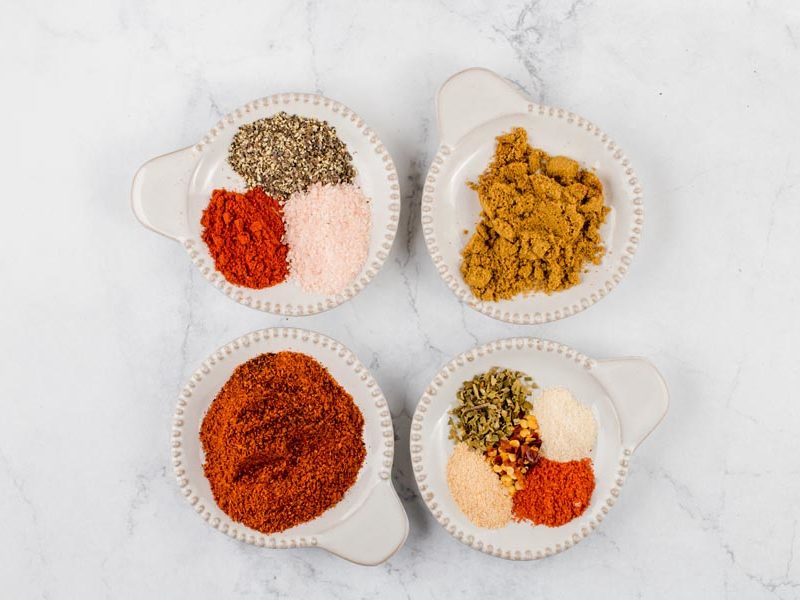
Chili powder is the backbone. It provides the warm, earthy heat that makes this blend taste the way it does. Cumin adds smoky depth (I use a slightly higher ratio than most recipes because I think it separates a good blend from a flat one). Paprika rounds out the color and gives mild sweetness without sugar. Garlic powder and onion powder handle the savory base, and oregano ties everything together with a slight herbal note. Cayenne and crushed red pepper bring the heat. I tested batches with smoked paprika and ancho chili powder before settling on these ratios.
How much to use
One batch makes about 8 teaspoons (a bit over 2 1/2 tablespoons), which is enough to season one pound of ground beef, ground chicken, or ground turkey. For a bigger meal prep (4 pounds of meat for the week), I triple or quadruple the recipe and keep it in a mason jar. Having a jar ready to grab saves me a step every single time I cook.
I keep the salt at 1 teaspoon per batch because I can always add more at the table. If you are using salted butter or broth in the same dish, cut the salt in half or skip it entirely. A few readers have mentioned the blend tasting too salty, and every time it turned out they were doubling up on salt from other ingredients. Taste as you go.
Spice ratios and why I settled on these
The ratio is roughly 2 parts chili powder to 1 part cumin, with a teaspoon each of salt and black pepper and smaller amounts of paprika, garlic powder, onion powder, oregano, crushed red pepper, and cayenne. Chili powder carries the most weight because it defines the taco flavor. I learned this the hard way. My first few batches had too much cumin and the blend started tasting like curry. Too much paprika pushes it sweet. This ratio took me about six rounds to lock in.
Start with the full batch for ground beef and use half for fish or shrimp since lighter proteins get overwhelmed faster. If you want to scale up for meal prep, I keep a quadruple batch in a mason jar and it lasts me about a month.
How I use this keto taco seasoning most often
I reach for this blend at least twice a week. These are the meals it shows up in most:
Ground beef or ground chicken for taco bowls
Chicken thighs or pork chops as a dry rub
Steak strips in a cast-iron skillet
Fish tacos with a light dusting and a squeeze of lime
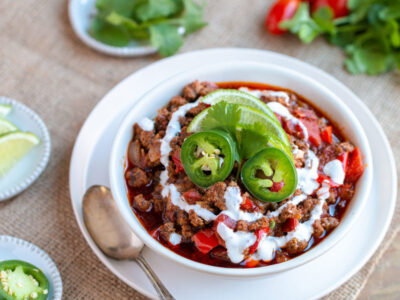
Taco soup or chili when I want a Tex-Mex base
I season while cooking rather than pre-mixing. Adding the spices directly to hot meat lets them bloom, which deepens the flavor compared to stirring dry powder into cold ground beef. On taco night I usually serve it with cilantro aioli for drizzling and a keto margarita on the side.
How I cook taco meat so it actually tastes good
This is the step most people rush, and it is the reason homemade keto taco seasoning sometimes gets blamed unfairly.
Brown one pound of ground meat over medium-high heat. Break it into small pieces as it cooks. Ground chicken or ground turkey should reach 165 degrees.
Sprinkle the spice blend directly over the cooked meat.
Stir and let it cook for 60 seconds before adding any liquid. This toasts the spices and deepens the flavor.
Add 1/4 cup of water.
Reduce heat, cover, and simmer for at least 5 minutes.
That 60-second toast is the step that makes the difference. If the pan dries out, add a splash more water. The longer it sits, the better it tastes. I usually let mine go 7-8 minutes when I have the time.
Variations I have tested
I have tested a handful of tweaks depending on what I am making that week:
Smoky version. Swap regular paprika for smoked paprika. I use this on grilled chicken and steak strips.
Spicy version. Add an extra 1/4 teaspoon cayenne pepper on top of the 1/4 teaspoon already in the base, and taste before adding more.
Mild version. Cut the chili powder in half and increase paprika to keep the color. This is what I make when my kids are eating the same meal.
Chipotle version. Replace 1 teaspoon of chili powder with 1 teaspoon chipotle powder. The smoky heat pairs well with keto mole in slow-cooked recipes.
Pure chile version. Replace generic chili powder with a blend of California and New Mexico chile powders. The flavor is more authentic and less generic. I save this version for when I want the seasoning to really stand on its own.
Some recipes online suggest adding a pinch of monk fruit sweetener to mellow the chile sharpness. I tested it and prefer the blend without. The cumin and paprika already round out the heat on their own. All variations keep the carbs about the same since the changes are spice-for-spice swaps. The smoky version is especially good brushed with keto BBQ sauce on grilled chicken thighs.
How to store your homemade blend
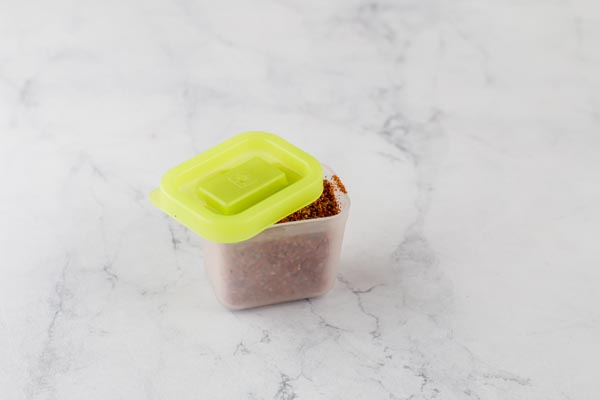
I usually mix a single batch because it takes about 3 minutes, but if you want to stock up, I recommend tripling or quadrupling the recipe. That gives you enough for 3-4 pounds of meat, which is roughly a month of taco nights in my house. Store it in a mason jar or airtight container. Keep it away from heat, light, and moisture. A cabinet away from the stove is ideal.
The blend holds its full flavor for about 6 months. After that, the spices gradually lose potency. My test: open the jar and smell it. If the aroma hits you immediately, it is still good. If you barely smell anything, make a fresh batch.
How to make this homemade spice blend
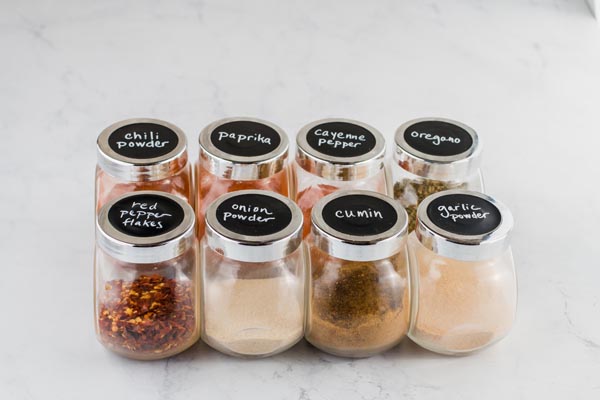
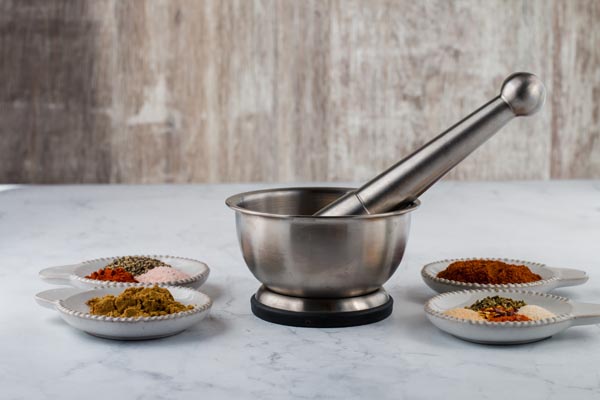
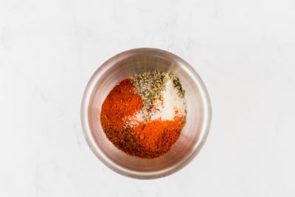
Measure the spices. Add chili powder, cumin, paprika, garlic powder, onion powder, oregano, crushed red pepper, cayenne pepper, salt, and black pepper to a small bowl or jar. No cooking required.
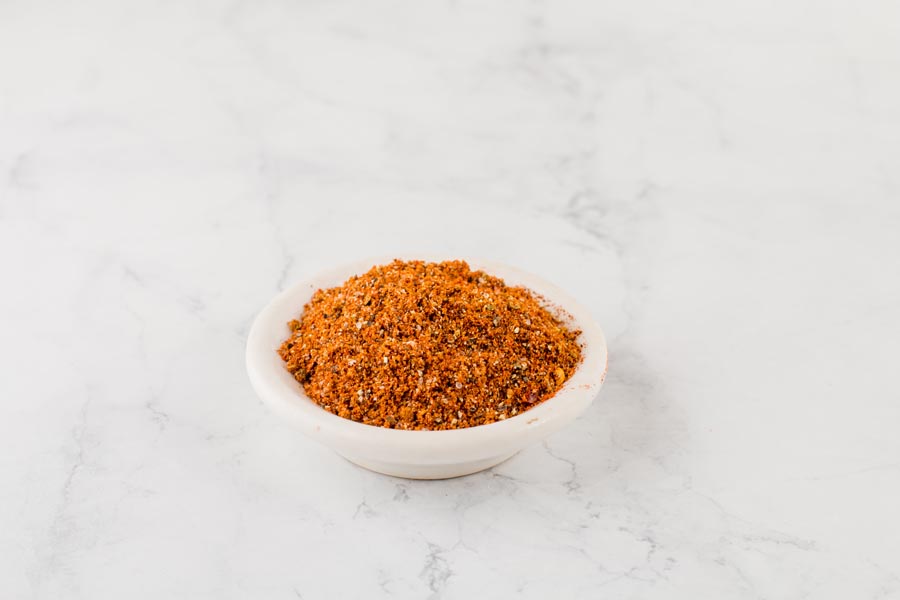
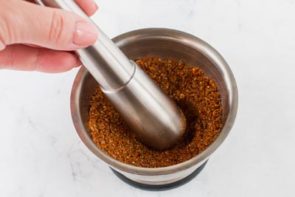
Mix until combined. Stir or shake until the spices are evenly distributed. The color should be a uniform reddish brown with no visible pockets of a single spice.
Store or use immediately. Transfer to an airtight jar or container. Use the full batch for one pound of meat, or store for later. The blend keeps its flavor for up to 6 months in a cool, dry spot.
Tips for the best results
Fresh spices matter. If your chili powder or cumin has been in the cabinet for over a year, the flavor will be muted. Smell the jar before using it. If there is barely any aroma, replace it.
Adjust heat to your preference. This blend is mild to medium. For more kick, add an extra 1/4 teaspoon cayenne pepper on top of the 1/4 teaspoon already in the blend. For a smoky flavor, use smoked paprika instead of regular.
Batch it ahead. Double or triple the recipe and store in a mason jar. Having a jar ready to grab saves 2 minutes on every taco night for months.
Nutrition is an estimate calculated from the ingredients listed. Brands vary, so check labels if you track closely.
Frequently Asked Questions
Are store-bought taco packets keto-friendly?
I checked the labels on McCormick and Old El Paso packets, and neither works well for keto. A single tablespoon runs 4 to 5 grams of carbs because the first few ingredients after spices are maltodextrin, cornstarch, and sugar. One full packet on a pound of meat adds 12 to 15 grams of carbs just from the seasoning. My homemade version lands at 1.2 grams of net carbs per 2 teaspoons using only real spices, which comes out to about 4.8 grams for the entire batch. I stopped buying packets in 2018 and the flavor is better anyway.
What is the best way to cook fish with this seasoning?
I lightly sprinkle both sides of tilapia, cod, or mahi mahi, then pan-sear in a hot skillet with avocado oil for 2 to 3 minutes per side. That quick, hot sear sets the spices on the surface without burning them. It is my go-to for fish tacos with shredded cabbage, lime, and a drizzle of sour cream.
Can I use this as a dry rub without adding water?
I do this regularly. Press the full batch into chicken thighs, pork chops, or steak about 30 minutes before grilling. The spices stick better to meat that has been patted dry first. Without the water simmer step, you get a crustier, more concentrated flavor on the surface instead of the saucy coating you get with ground beef. Both methods work. I use the dry rub for grilling and the water method for stovetop taco meat.
What is the difference between chili powder and chile powder?
Chili powder (with an 'i') is a pre-made blend that usually includes cumin, garlic powder, oregano, and sometimes salt on top of ground chiles. Chile powder (with an 'e') is pure ground dried peppers with nothing else added. I use standard chili powder in my base recipe because it already carries some of those background flavors. When I want a more authentic taste, I swap in pure California or New Mexico chile powder and adjust the cumin and garlic separately. Both keep the carbs the same.
Can I freeze homemade taco seasoning?
I have tried freezing it and there is no real advantage. Dried spice blends do not go bad in the freezer, but they do not improve either. Moisture can sneak in during thawing and clump the powder. My approach is to keep a triple or quadruple batch in a mason jar in the cabinet. It holds full flavor for about 6 months, which is longer than any batch has ever lasted in my house. If you live somewhere very humid, an airtight container with a silica packet works better than the freezer.
Can I use this as an all-purpose keto seasoning?
I do, and I reach for it far more than I expected to when I first mixed it up. It started as my taco meat blend, but the jar has basically become my everyday keto seasoning for anything savory. I shake it over scrambled eggs in the morning, toss roasted cauliflower and zucchini in it before they go in the oven, and stir a spoonful into ground beef when I want a quick taco soup. The cumin and chili powder base is what makes it that versatile, and since it sits at 1.2 grams of net carbs per 2 teaspoons I never think twice about using it often. The one thing I watch is the salt, so if whatever I am cooking already has salted butter or broth, I go lighter on the blend and add more at the table.
Confession, I only mixed this up because I ran out of packets an hour before a taco bar. Nobody reached for the hot sauce all night, which never happens here. The cayenne is doing more than I gave it credit for
The blend smells exactly like pre-keto taco night. Something about the cumin base just works. I’ve run this over beef, chicken, and shrimp, probably fifteen batches total. Beef and chicken: no notes. Shrimp is where it falls apart. Cumin goes heavy on seafood without red meat’s fat to carry it, and you end up with something metallic before the shrimp is even done. Pull it back to one teaspoon for fish or shrimp. Paprika can take a little extra if you want the color back.
I’ve made this twelve or thirteen times. What I keep coming back to: black pepper and cumin are the ones doing the real work, not the chili powder. Chili powder looks like the main event on the ingredient list, but those two are what you’d actually miss if they were off. Oregano earns its spot too. Left it out once when I ran out and couldn’t figure out what was wrong with that batch until I went back and compared.nnThe cayenne and crushed red together run warm but controlled when you’re cooking ground beef with fat in the pan. Put this same amount in a soup or sauce where there’s no fat to diffuse it and the heat lands louder than you’d expect. Worth knowing before you start using it in everything.
So this makes 2 tablespoons per batch for a pound of meat. If I wanted to mix up a bigger jar at once, say enough for 4-5 pounds, does everything scale straight across or does something like the cayenne get overpowering when you multiply it? I make taco meat a couple times a week and mixing from scratch every time would get old.
Scales straight across. The only one I’d be careful with is the cayenne – on a 4x batch I start with 3/4 tsp instead of the full teaspoon and taste before adding more. Once a big jar is mixed you can add heat but you can’t pull it back.
Two heat sources in this one, cayenne and crushed red pepper. If he’s really sensitive I’d drop both. Chili powder, cumin, paprika carry the flavor anyway so it stays balanced without them.
Swapped the regular paprika for smoked and bumped the cumin up to a full teaspoon, and the difference was immediate. The smoked paprika makes it taste like the seasoning’s been working in the meat longer than it actually has, that kind of depth you usually only get from slow cooking. One other thing: if you’re making a bigger batch, a small mason jar with a tight lid keeps it way better than a plastic bag or loose lid spice jar. I’ve had a jar going for three weeks and it still hits like day one.
Smoked paprika reads as cook time, not just heat. That ‘worked in the meat’ thing you described is exactly it. I’ve been using regular paprika since I wrote this and I’m switching.
I’ve been grabbing McCormick packets for years and couldn’t justify the extra step of making my own, but the carb count finally pushed me to try this. The cumin-to-chili powder ratio is noticeably better than the packet version, less salty, more actual depth of flavor. Made a double batch and put it in a jar. That’s where I’m keeping it now.
Doubled the cayenne and swapped the crushed red pepper for a small pinch of chipotle powder I had open, and the heat came out rounder, more of a slow build instead of sharp. My husband usually finds store-bought blends too aggressive, so this was a good fix. I also started making a triple batch and keeping it in a small jar by the stove. Reach for it way more than expected, on eggs and roasted cauliflower, not just taco meat. The 1.6g carbs per tablespoon actually matters when you’re using it that often.
Doubled the cumin and cut the cayenne in half for my kids and it basically became a completely different seasoning (in the best way). Works on roasted cauliflower too, not just meat.
My daughter said these tacos tasted ‘more like tacos’ than usual. Highest compliment she gives. Used to grab Old El Paso packets on autopilot, but you can actually taste the cumin here.
My husband has a nightshade sensitivity, so chili powder, paprika, and cayenne are all out. Without those, does it basically just become cumin and salt?
Not quite. Cumin, black pepper, garlic powder, onion powder, and oregano all make it through. Still has structure, just lighter. I’d bump the cumin to 2 teaspoons and double the garlic powder.
Once I actually compared the net carbs on this to the McCormick packet sitting in my pantry, I threw it out and haven’t bought a taco seasoning packet since.
Made a triple batch Sunday to have it ready for the week and finally looked at the back of an Old El Paso packet sitting in my pantry. The carb difference is not subtle. Jar of this is on the counter now, packets are gone.
Switched after I finally read the label on my Old El Paso packets. This costs nothing, sits at 1.6g net carbs vs their 4-5g, and using actual cumin and oregano makes a difference. One jar and I’m done buying packets.