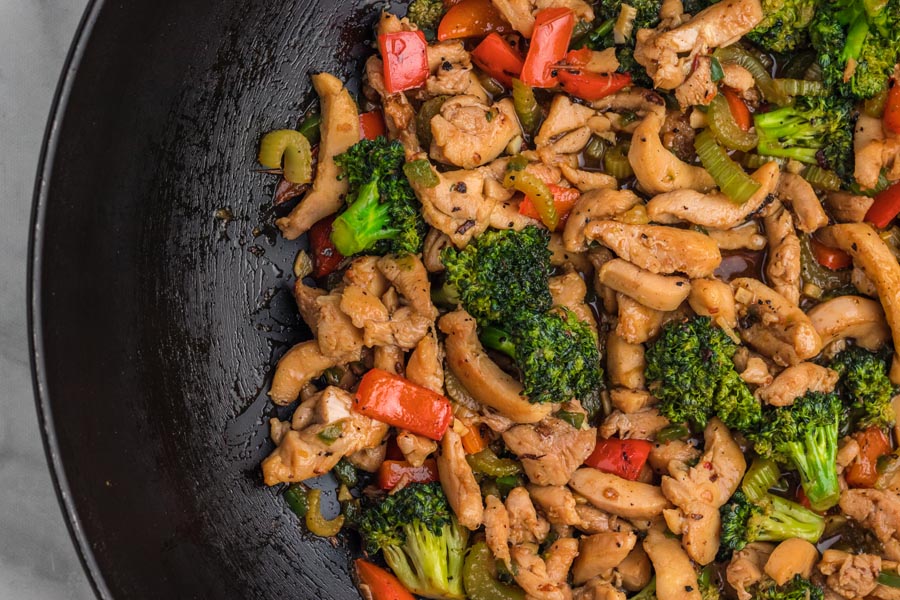
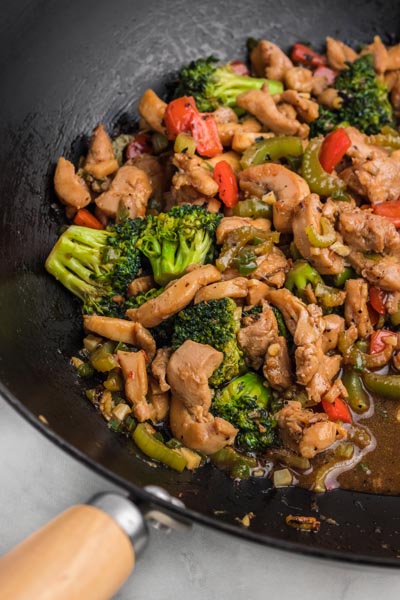
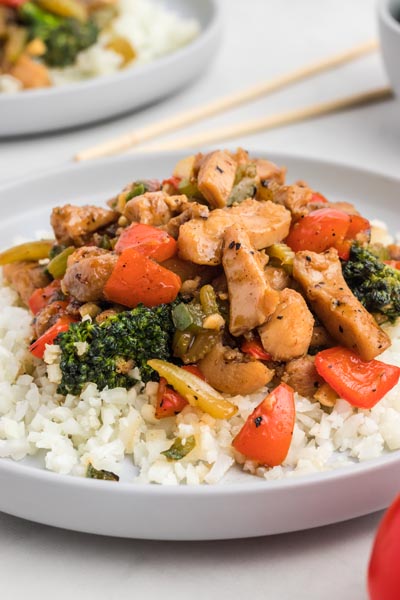
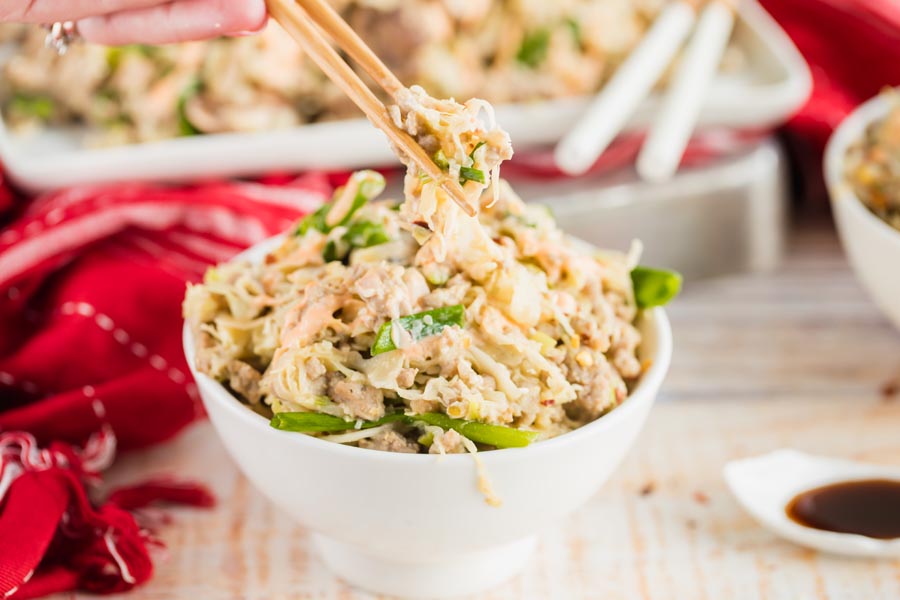
Tender, velvety keto hunan chicken with peppers, broccoli, and celery in a spicy, savory sauce, at 6g net carbs and 20.2g protein. Velveting is the whole trick: I let the sliced chicken sit in soy sauce and water, coat it with a light starch and oil, and I let it rest 15 minutes before it ever touches the hot wok.
This is one of those recipes I come back to every couple of weeks because it just works. Tender chicken in a spicy, slightly sweet sauce with crisp vegetables, all done in about 30 minutes. The secret is velveting the chicken before it hits the pan, a technique I picked up years ago that completely changed how I make Chinese food at home. Once you try it, you won't go back to just tossing raw chicken into a hot skillet.
I've tested this recipe more times than I can count, adjusting the sauce ratios and trying different vegetable combinations. The version here is where I landed after years of tweaking: soy sauce, oyster sauce, chicken broth, a touch of brown sugar free sweetener, rice vinegar and chili paste. Together they create a sauce that's spicy, savory and slightly tangy without any added sugar. It's naturally keto friendly since there's no breading, no cornstarch-thickened sauce drowning everything, and no hidden sugars. I like that the sauce coats the chicken and vegetables without being gloopy.
What makes this different from most recipes like it is the velveting step. I marinate thin-cut chicken in water and soy sauce, then coat it in cornstarch and a little avocado oil. When that chicken hits a screaming hot pan, the cornstarch forms a thin seal around each piece, locking the juices inside. You get silky, tender chicken that holds up in the sauce instead of turning rubbery. I use this same technique in my chicken stir fry and beef and broccoli, and it makes all the difference.
The vegetables are flexible, which is part of why I make this so often. I usually go with broccoli, celery and red bell pepper because that's what I always have on hand, but snap peas, mushrooms or water chestnuts work too. The key is cooking them just until they soften slightly, not until they go limp. You want that crunch against the tender chicken. I toss the jalapeno and garlic in at the very end so they don't burn.
For the heat, I use either Sambal Oelek or Huy Fong chili paste (I've tested both and they work equally well), plus a diced jalapeno for fresh, front-of-mouth spice. If you want it milder, skip the jalapeno. If you want more kick, add a second one or toss in some crushed red pepper flakes.
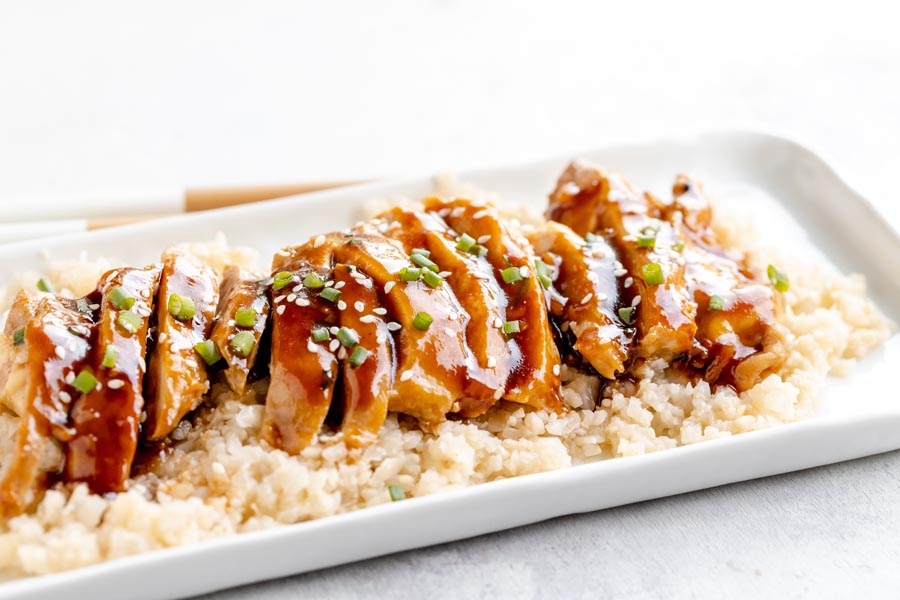
This pairs well with cauliflower rice or just on its own. My family prefers it straight from the pan, no sides needed. The sauce is rich enough to carry the whole dish. If you're looking for more low carb Asian-inspired dinners, my keto teriyaki chicken and low carb cashew beef are both in regular rotation at our house.
Why I always velvet the chicken
If you’ve ever tried making Chinese takeout at home and ended up with dry, rubbery chicken, I’ve been there too. The fix is velveting, and once I started doing it, I never went back.
Velveting is a Chinese cooking technique that keeps meat tender, juicy and silky. You marinate the chicken in a mixture of water, soy sauce, and either cornstarch or baking soda. I prefer the cornstarch method because it creates a thin protective coating that seals in the juices when the chicken hits a hot pan.
How do you velvet chicken with baking soda?
I’ve tried this method too. Add 1 tablespoon baking soda to 1 1/2 pounds of chicken. Marinate for 20 minutes and then rinse well under running water to remove excess baking soda. Pat dry before cooking. It works, but I find the cornstarch method gives me more consistent results.
What does velveting chicken do?
The cornstarch coats each piece of chicken, forming a thin layer that turns solid when cooked. That layer seals the juices inside, so instead of moisture escaping and leaving you with tough meat, it stays locked in. I use this same technique in my chicken katsu and it works every time.
What are the common ways to velvet chicken?
Water velveting: After the chicken is marinated in a cornstarch mixture, it is cooked by blanching in boiling water or broth. This keeps the dish lighter, but I’ve noticed it can wash off some of the seasoning. If you go this route, add a little extra soy sauce to your final sauce.
Oil velveting: The marinated chicken is seared in a wok or skillet with oil over high heat. This is my preferred method. It adds more flavor and creates a slight crust on the chicken that dissolves into the sauce, thickening it naturally.
What cuts of meat can be velveted?
I’ve used this technique on more than just chicken. It works on any cut that tends to dry out:
Chicken breast
Chicken thighs
Chicken tenderloins
Flank steak
Skirt steak
Chuck steak
Sirloin steak
Lamb
Pork
Vegetables I use in this recipe
I switch up the vegetables based on what’s in my fridge, but the version I come back to most uses broccoli, celery and red bell pepper. Here’s what works well in this stir fry:
Chili peppers: I use a fresh jalapeno since they’re available everywhere. Dried red chilis or Thai chilis work if you want more heat.
Bell peppers: Red bell pepper gives you that pop of color and a mild sweetness. Any color works, but I prefer red.
Broccoli: Cut the florets small so they cook quickly. I like mine with a little crunch left.
Carrots: Julienned or thinly sliced. I add these when I want extra color.
Baby corn: A classic addition to Chinese cooking. I toss these in sometimes for variety.
Mushrooms: Shiitake are my first choice, but button or portobello work too.
Water chestnuts: These add a crunch that holds up even after cooking.
Bamboo shoots: They almost look like noodles once cooked. Fun texture.
Snap peas: Sweet crunch. My kids actually pick these out and eat them first.
Onions: I usually skip these since the garlic and jalapeno cover the allium flavor, but add them if you like.
How I store and reheat leftovers
Store leftovers in an airtight container in the refrigerator for up to 5 days. I reheat mine in a skillet over medium heat with a splash of water or broth to loosen the sauce. Microwaving works in a pinch, but the chicken loses some of its silky texture.
I don’t recommend freezing the finished dish since the broccoli and celery get mushy when thawed. If you want to prep ahead, make the sauce and store it separately, then cook the chicken and vegetables fresh. For more make-ahead ideas, my sheet pan chicken and veggies is another one I batch on weekends.
What is Hunan Chicken?
This is a Chinese-American takeout classic. Tender pieces of chicken tossed with peppers in a sauce built on heat, savory depth and a touch of sweetness.
The dish takes its name from Hunan cuisine, known for bold, spicy and slightly sour flavors. Traditional versions use fermented black beans and Shaoxing wine for extra complexity. I've kept my version simple with grocery store ingredients, but if you can find fermented black beans at an Asian market, toss in a tablespoon. They add a savory depth I really like.
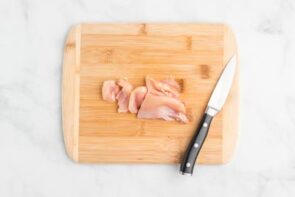
Trim the excess fat off the chicken if present. Place chicken on a plate in the freezer for 30-60 minutes. Par-freezing the chicken will make it easier to slice. Slice the chicken into thin strips (about ¼ inch thick) cutting across the grain.
For this step
1 1/2 pounds skinless, boneless chicken breast or chicken thighs
2
Season the chicken
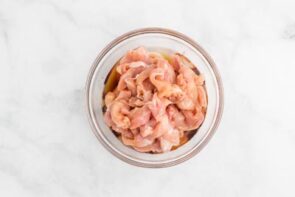
To a medium bowl, add chicken slices, 3-4 tablespoons water and 1 tablespoon soy sauce. Mix until well coated. Set aside for 5-10 minutes.
3
Velvet the chicken
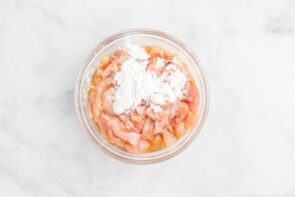
Sprinkle cornstarch and 1 tablespoon avocado oil on the chicken. Mix again until coated. Let sit for 15 minutes.
For this step
1 tablespoon cornstarch
4
Hunan sauce
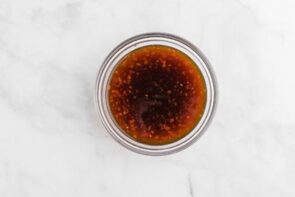
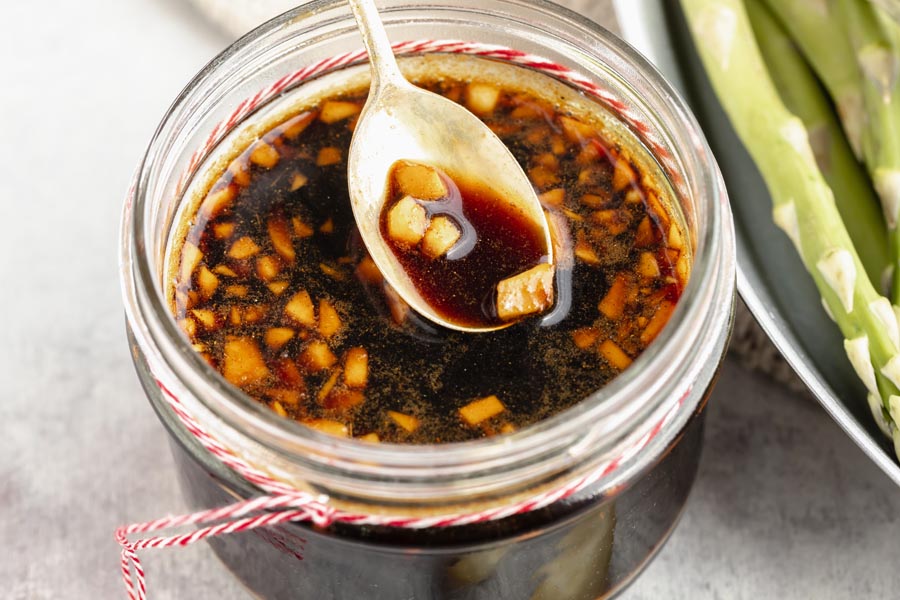
In a small bowl, whisk together chicken broth, remaining soy sauce, oyster sauce, brown sugar free sweetener and chili paste. Set aside.
For this step
1/2 cup chicken broth
1/4 cup soy sauce
1 1/2 tablespoons oyster sauce
1 tablespoons brown sugar free sweetener
2 teaspoons chili paste or chili garlic sauce
5
Stir fry chicken
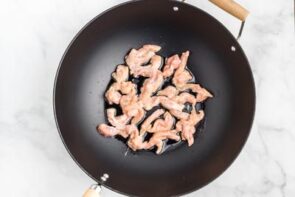
Add 2 tablespoons oil to a large skillet or wok and heat to medium high or high heat. Once oil is hot and working in batches, add chicken in a single layer to the skillet or wok. Allow chicken to sear for 20-30 seconds until golden brown on the bottom. Then flip or stir fry until all chicken is cooked through. Check the thickest strip with a food thermometer; the chicken must reach 165°F. Remove chicken, place in a bowl and set aside. Repeat with remaining chicken. Leave behind any brown bits or remaining sauce from the velveting process in the skillet.
6
Stir fry vegetables
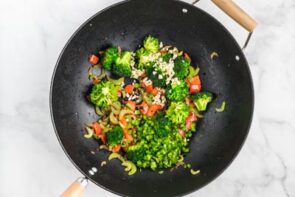
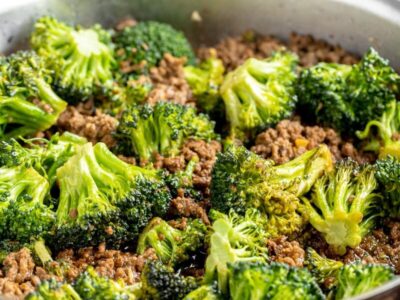
Add another tablespoon of oil to the same skillet. Add broccoli, celery and bell pepper. Cook until slightly softened. Stir in jalapeno and garlic and let cook for 30 seconds.
For this step
1 1/2 cups broccoli florets
4 celery stalks, sliced
1 red bell pepper, diced
1 green jalapeno, finely diced
4 cloves garlic, minced
7
Finish with Hunan sauce
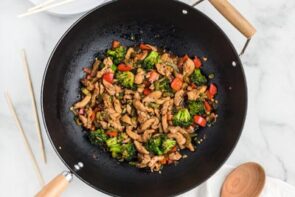
Lower the heat to medium, return cooked chicken back to the skillet and pour in sauce. Scrape the bottom of the pan to remove any of the brown bits and stir them into the sauce. Let cook until sauce is slightly thickened.
Nutrition
Per serving: 1/6 of recipe
Calories
252
Fat
16.6g
Protein
20.2g
Total carbs
19.6g
Net carbs
6g
Nutrition is an estimate calculated from the ingredients listed. Brands vary, so check labels if you track closely.
Frequently Asked Questions
What does Hunan chicken taste like?
I'd describe it as bold and directly spicy, not a creeping heat but one you feel right away from the chili paste and fresh jalapeno. The sauce is savory from soy sauce and oyster sauce, with a slight sweetness from the brown sugar free sweetener that rounds everything out. Because I velvet the chicken, every piece has this silky texture that absorbs the sauce without getting tough or dry.
What's the difference between Hunan and Szechuan chicken?
I've made both, and the biggest difference is where the heat comes from. In my version, the spice is direct, from fresh chili peppers and chili paste that give you a front-of-mouth heat. Szechuan chicken uses Szechuan peppercorns and dried chiles, which create a tingly, almost numbing sensation that's completely different. The sauce profiles don't overlap much either. This one leans savory and slightly sweet, while Szechuan dishes have that distinctive numbing-spice combination.
How do I adjust the spice level?
I've played with this a lot. For milder heat, skip the jalapeno and use just 1 teaspoon of chili paste. For medium, keep the jalapeno but seed it first. For serious heat, I leave the seeds in the jalapeno and bump the chili paste up to a full tablespoon, sometimes adding crushed red pepper flakes on top. Start with less chili paste and taste the sauce before adding the chicken back in. You can always add more heat, but you can't take it away.
Can I use shrimp or pork instead of chicken?
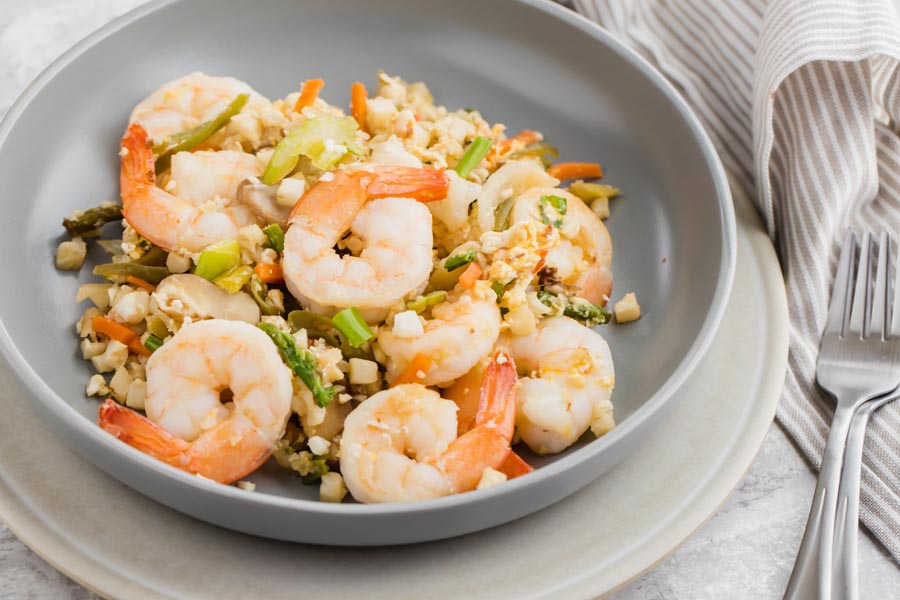
I've tested both. Shrimp works well, but skip the velveting and just season with soy sauce and a pinch of cornstarch. Cook the shrimp fast over high heat, about 2 minutes per side, so they don't turn rubbery. For pork, use thinly sliced pork loin or tenderloin and velvet it the same way as the chicken. If you go the shrimp route, my creamy garlic paprika shrimp uses a similar quick-cook technique.
Is this recipe gluten-free?
Not as written, because soy sauce and oyster sauce both contain wheat. When I make it for friends who are gluten-free, I swap in coconut aminos for the soy sauce and a gluten-free oyster sauce (Lee Kum Kee makes one). The flavor shifts slightly since coconut aminos are a bit sweeter, so I cut the sweetener in half. Everything else stays the same.
Can I make this ahead for meal prep?
This is one of my go-to meal prep recipes. I make a double batch on Sundays and portion it into containers for the week. The sauce actually gets more flavorful after a day in the fridge as everything melds together. Reheat in a skillet (not the microwave) and add a splash of broth to bring the sauce back. I don't recommend freezing it though, since the broccoli and celery don't hold up after thawing.
What can I substitute for oyster sauce?
I use oyster sauce because it adds a deep umami sweetness you can't get from soy sauce alone. If you're avoiding it for a shellfish allergy or you just don't have any, my best substitute is a mix of soy sauce and a small spoonful of hoisin sauce. It's not identical, but it covers the sweet-savory base. Fish sauce mixed with a little sweetener is another option I've tried, but use half the amount because fish sauce is much saltier.
This is the first stir fry I’ve felt brave enough to try at home. My daughter has a shellfish allergy though, so the oyster sauce is out for us. Can I just leave it out of the sauce, or does it need something in its place?
Hi Dottie, you can leave it out but the sauce needs something in its place or it goes flat. I mix about a tablespoon of soy sauce with a half teaspoon of the sweetener you’re already using and stir that in where the oyster sauce would go. It won’t have quite the same depth, but it holds up. Also worth checking your chili paste label, some brands sneak shrimp in.
I never thought to check the chili paste label, but sure enough mine lists shrimp. Picking up a different brand and trying the soy sauce and sweetener mix this weekend.
Ok, so every attempt at making Chinese food in my home has been a huge disappointment. I have like every other recipe except 1 from your site so I thought…..OK 1 more attempt to cook my own Chinese food. It was a lot of work but could not believe how good it turned out. Best Chinese cuisine I personally ever made, thanks so much, definitely helps with the craving.
It does, just not by muting it. The tablespoon of sweetener keeps the soy and oyster sauce from going flat and sharp together. I’ve accidentally skipped it before and you can tell.
Celery holding its crunch after the sauce coats everything, didn’t expect that. Usually the first thing to go limp in stir fry. One note: broccoli goes in at the very end, like two minutes before you pull it off heat. First time I added it with the peppers it got mushy and I was so annoyed, everything else came out exactly right. The velveting step though, that chicken texture is just different from anything I get with most recipes.
The celery thing is real and I was surprised too when I was developing this. Broccoli timing is two minutes at the end, period. I’ve pushed it to three before by accident and it went completely soft.
The sweetener in the sauce is what most keto stir fry recipes skip, and it’s why the heat actually lands instead of sitting flat on top of the soy. Every other version I’ve made had this problem: the chili paste was sharp and aggressive with nothing to anchor it. Oyster sauce plus that bit of sweetness gives the sauce somewhere to go. Ends up tasting like actual Hunan, not just spicy food with broccoli. Four stars for my first batch only because I underseasoned, but I know better now.
We’ve been doing indoor stir fry nights on hot June evenings because nobody wants to fire up anything outside when it’s 95 degrees. Made this last week and my husband, who pretty regularly complains that healthy Chinese food never tastes right, said the chicken was tender in a way he doesn’t get from our usual takeout spot. Pretty sure it’s the velveting. I’ve made stir fry plenty of times without that step and the texture is completely different. The sauce has real heat from the chili paste but it builds gradually, so my teenager actually ate it instead of picking around everything. Four stars because I went a little heavy on the chili paste and it was borderline too spicy for the kids, so next time I’d probably hold some back and add it separately for the adults. Going in the summer rotation for sure.
Yeah, holding back chili paste for the table is what I’d do too. Same heat for the adults, kids don’t tap out. Glad the husband clocked the velveting, that’s the step that makes it.
First bite of that spicy, savory sauce and I was 10 years old again at the Chinese restaurant my dad used to take us to every Friday, the one that closed years ago.
I started doing double batches of this on Sundays about six weeks ago and my process is pretty dialed in now. The velveting step is the thing nobody talks about enough (it really is the difference between rubbery reheated chicken and something that tastes like it was just cooked). I mix the cornstarch into the chicken the night before and let it sit in the fridge overnight and the texture the next day is noticeably more silky all the way through. The broth-based sauce also reheats without breaking or going greasy, which I cannot say about most stir fry sauces I have tried. I pack it over cauliflower rice with extra broccoli to round out my macros and it holds up well through Thursday. This has basically replaced the three other chicken stir fry recipes I was rotating through.
Making this for Sunday dinner. My husband really can’t handle heat, but I’m dying to try that velveted chicken technique (never done it before). If I skip the chili paste, does the sauce still have enough flavor, or does it fall flat?
Skip the chili paste and the jalapeno. Oyster sauce, soy sauce, garlic – I’ve made it mild-only and it’s still a solid sauce. Your husband will like this version.
Used chicken thighs and let them sit in the cornstarch marinade for about 10 minutes before hitting the wok. The velvet was thicker and the sauce clung way better than when I rushed it. Hard to go back to chicken breasts after this.
The heat comes from the chili paste and jalapeño, not the soy sauce, so that swap is fine. Coconut aminos runs a little sweeter and less salty, so taste it at the end and add a pinch of salt if it needs it.
Used chicken thighs instead of breasts. Huge difference. The velveting step made them almost silky, which I wasn’t expecting, and the sauce clung to every piece in a way I’ve only seen at good takeout spots. This is the spicy stir fry I’ve been chasing.
Thighs all the way. More fat means the velveting actually works the way it should, and the sauce clings instead of running off. Breasts can do it but thighs are what I use.
My husband walked in from the garage and genuinely thought I ordered takeout. He stayed in the kitchen the entire time I finished the sauce just to make sure I ‘didn’t change anything.’ Four stars because I’d go heavier on the chili paste, but the rest of the house is already voting for next week.
Made this on Tuesday and my husband (who picks around broccoli in every stir fry I’ve ever made) ate every single floret without a word. Something about the way the sauce soaks in, I think, because that has never happened in 12 years.
Made this twice and the chicken comes out fine both times, good but not that silky texture everyone describes with velveting. I’m doing the cornstarch and oil step like it says, but something in the execution is off. What does it actually look like when the meat has absorbed the liquid? I feel like I’m just coating the outside. Is it rest time after mixing, or should I be mixing more aggressively? The sauce is already dialed in, just need the chicken to catch up.
When it’s actually absorbed, the chicken looks almost sticky, not wet. The liquid disappears into the meat and there’s no pooling at the bottom of the bowl. I massage it for a full minute then let it sit 15 minutes before it hits the pan. Rest time does more than aggressive mixing.