Is pork keto?
Plain, unseasoned pork cuts contain essentially no carbohydrate and can fit a ketogenic eating pattern. Bacon, cured or injected pork, sausage, pulled-pork preparations, marinades, breading, rubs, and sauces vary, so use the current label or recipe rather than assigning zero to every pork product.
Pork does not get the attention beef gets on keto, which is a shame, because cut for cut it might be the more useful protein. Plain unseasoned pork cuts contain essentially no carbohydrate, while cured, injected, marinated, breaded, and sauced products vary and need a label check. Cured, injected, marinated, breaded, seasoned, and sauced pork products can differ from a plain cut, so their current labels and recipes matter.
Choose the cut for the recipe
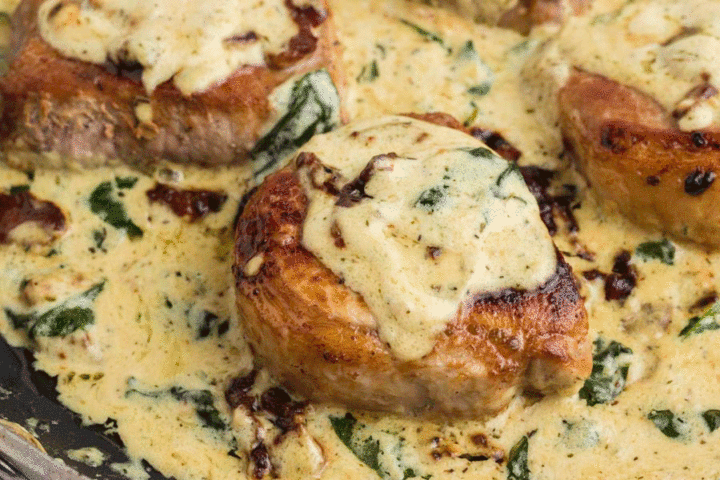
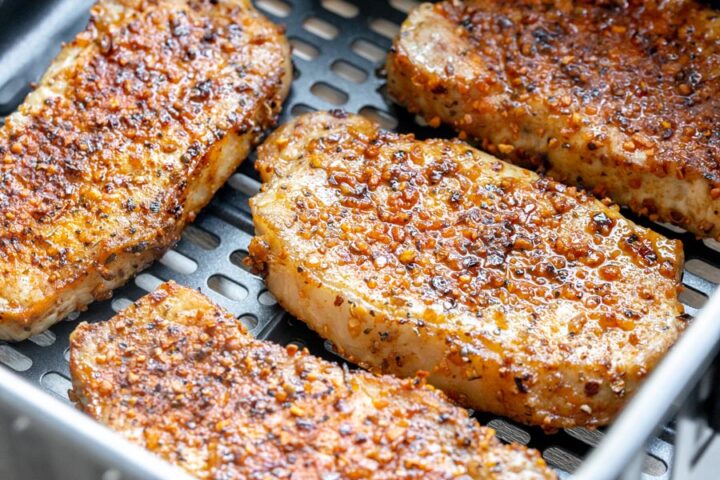
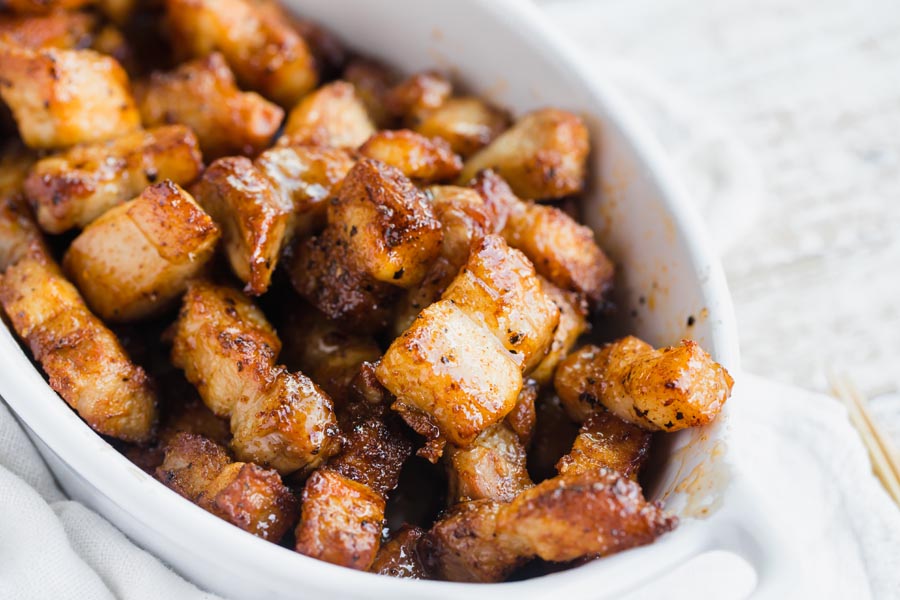
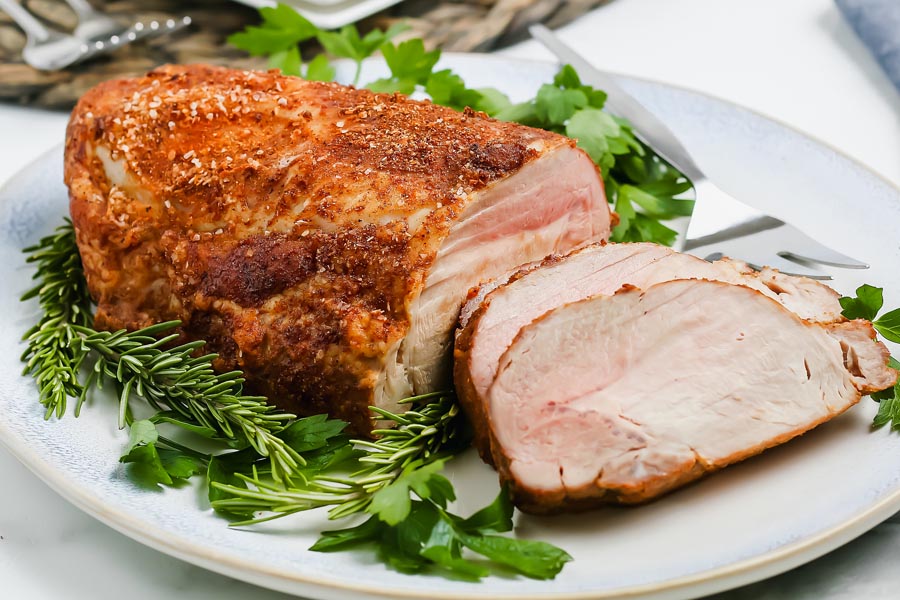
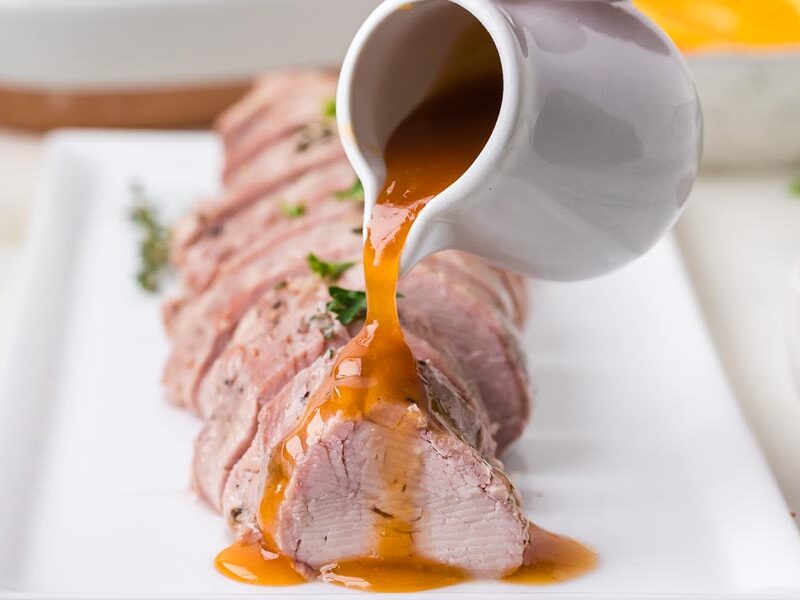
Plain, unseasoned pork is very low in carbohydrate, while fat, calories, sodium, and cooked yield vary by cut and portion. Shoulder works well for pulled pork, chops for a quick sear, tenderloin for a leaner dish, and belly when a recipe needs richness. A fattier cut does not by itself guarantee ketosis.
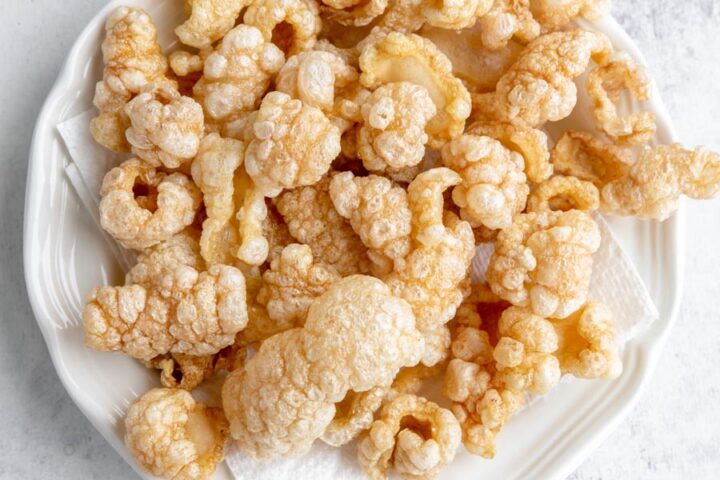
Pork rinds are a keto cheat code
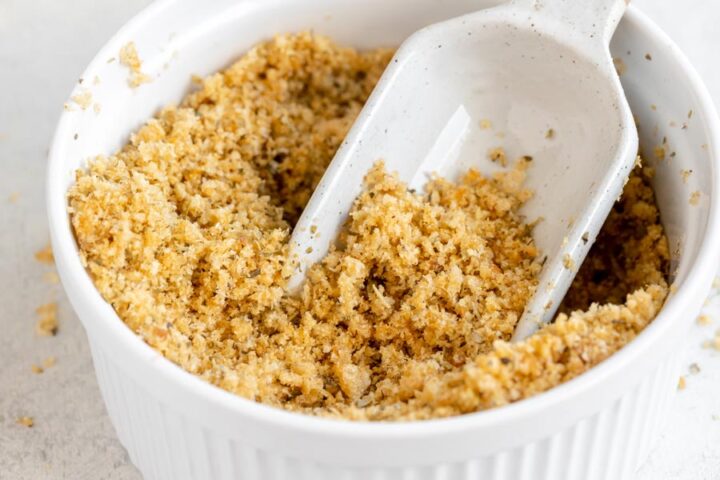
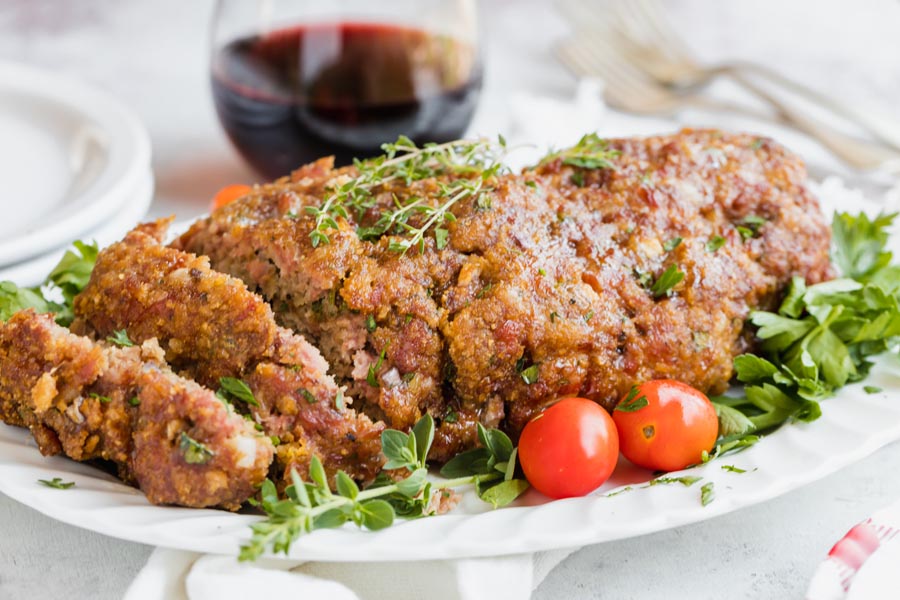
Crushed pork rinds can make a crisp breading for chicken cutlets, pork chops, or casserole toppings. Products vary in carbohydrate, sodium, seasoning, ingredients, and serving size, so calculate from the current bag and the amount the recipe uses rather than calling every coating zero-carb.
The sugar trap
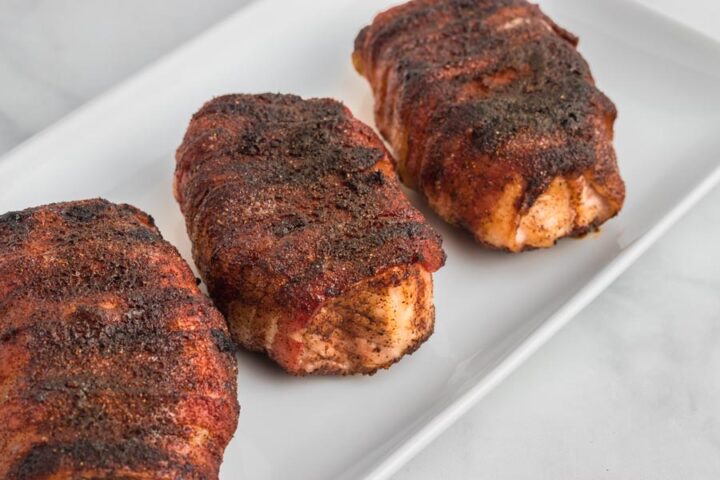
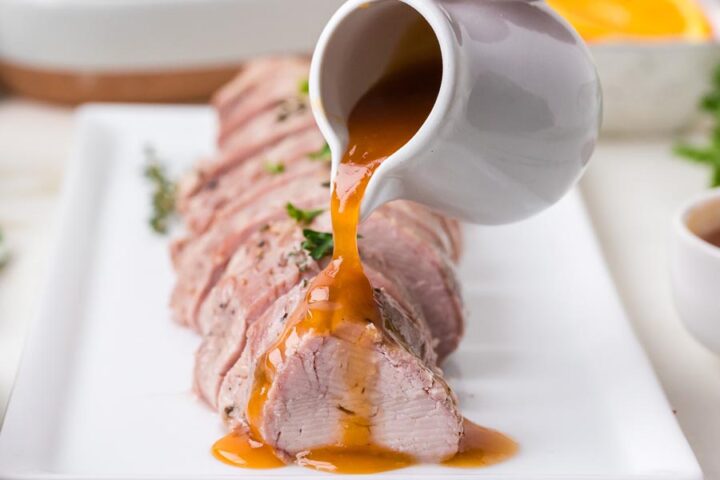
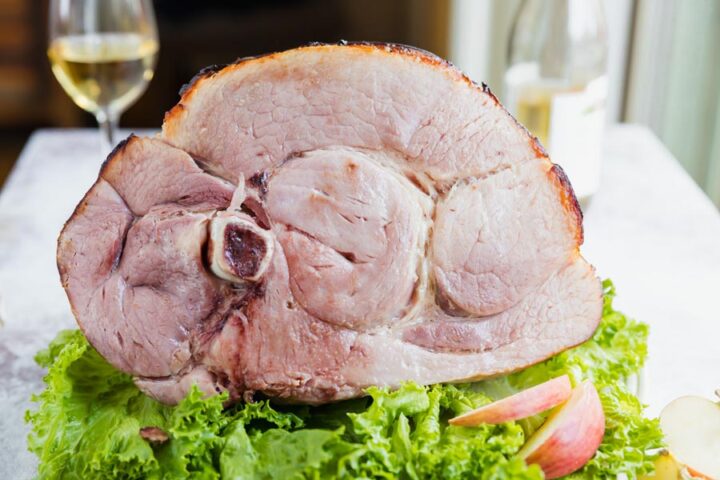
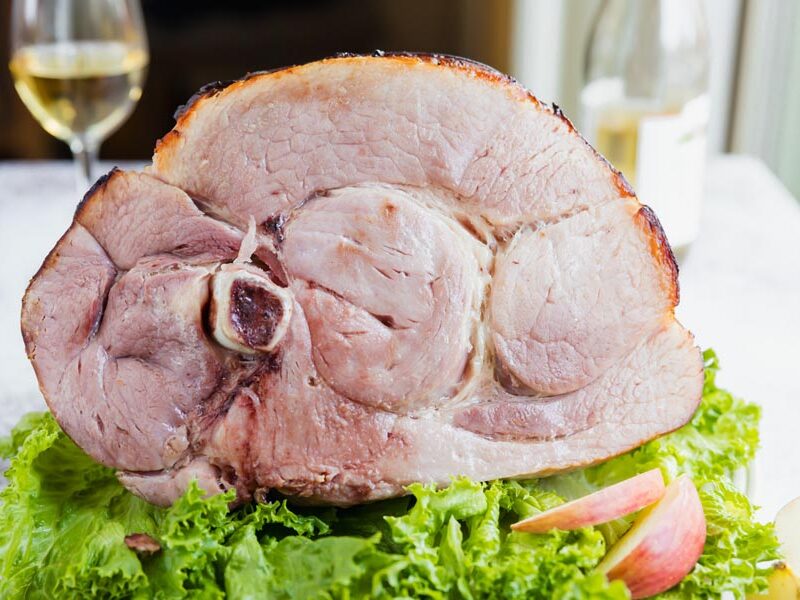
Marinated tenderloins, sauced ribs, glazed ham, prepared pulled pork, dry rubs, and barbecue sauces vary widely. Compare the labeled serving size, total carbohydrate, added sugar, sodium, and ingredients, or calculate a homemade recipe from the actual amounts used. "Sugar-free" does not necessarily mean carbohydrate-free.
Low and slow for shoulder
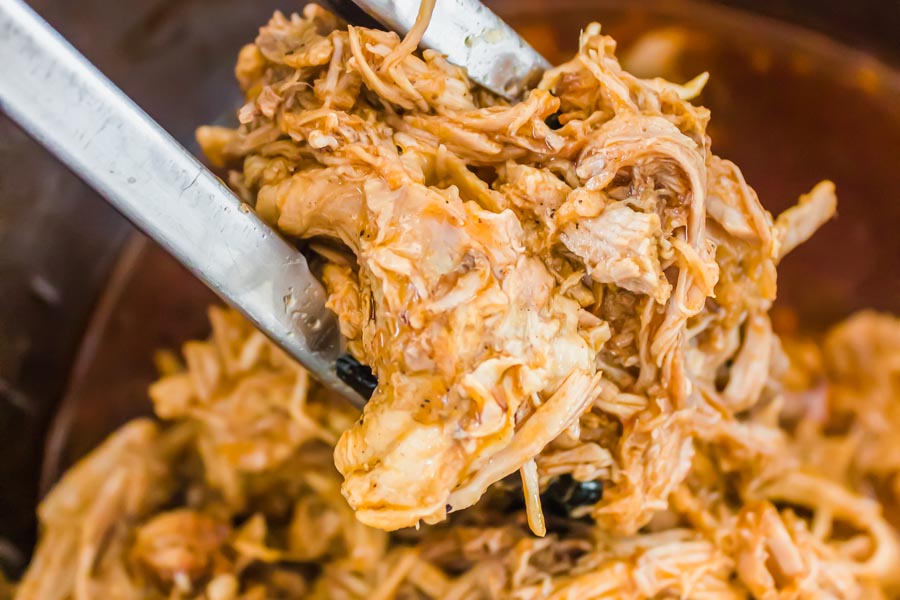
Pork shoulder is the most forgiving cut I cook. It wants to go low and slow, and the fat cap bastes the meat from the inside as it renders. Eight hours in the slow cooker on low, or a long stretch in a low oven, turns the connective tissue to gelatin and the whole thing pulls apart with a fork. One thing I never do is drain the juices. I skim the fat off the top, then stir it back in so the pulled pork stays moist instead of drying out the second it hits the plate.

Nutrition and health note: Nutrition values are estimates and can vary by brand and serving size. This guide is for general information, not medical advice. Ask a qualified healthcare professional about dietary changes that may affect a health condition or medication.