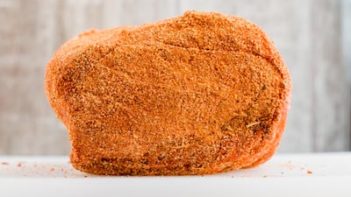
A dark, crackly bark sets my sugar-free keto pulled pork apart — an overnight salt rub and a monk fruit spice blend that caramelizes just like brown sugar. 6.6g net carbs and 27.5g protein per serving.
This is genuinely sugar free pulled pork, and the thing that sets it apart is the rub. No brown sugar, no maple syrup, no honey. The sweetness comes from golden monk fruit, and when it hits low heat for 8-12 hours, it caramelizes into a bark that looks and tastes like the real thing. I’ve been making it this way for years. One of my readers served an oven batch at a cookout and a competition BBQ guy asked what wood she used. She used no wood. Just my rub and an oven at 225.
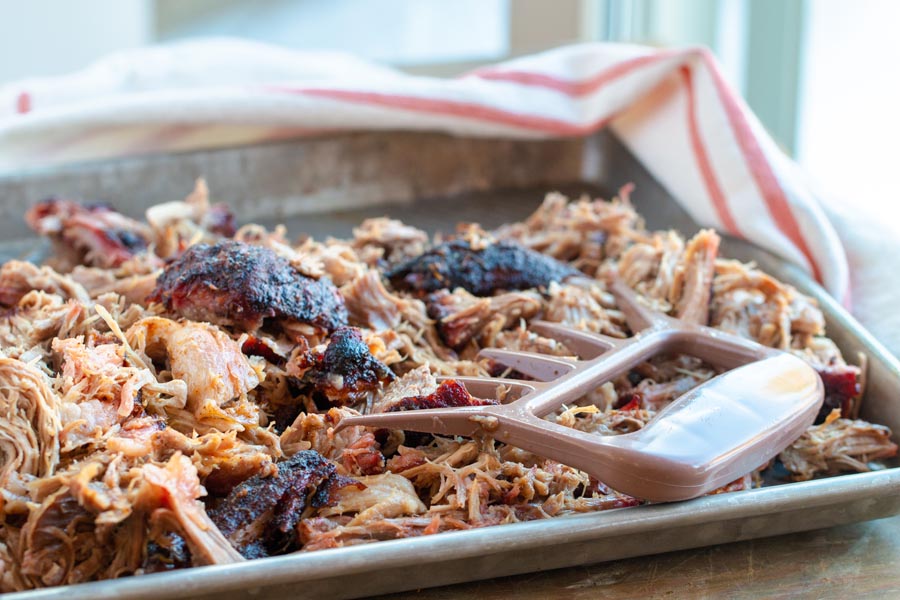
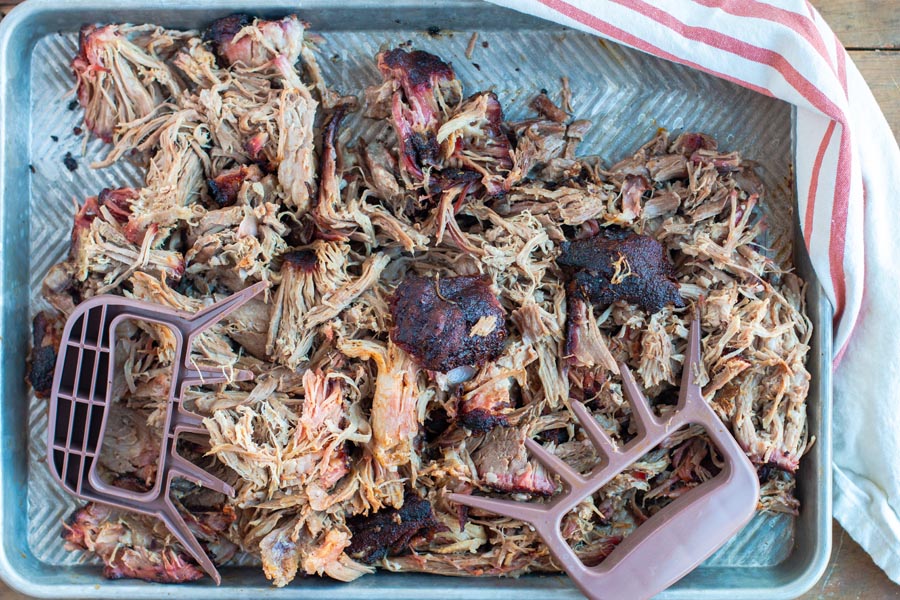
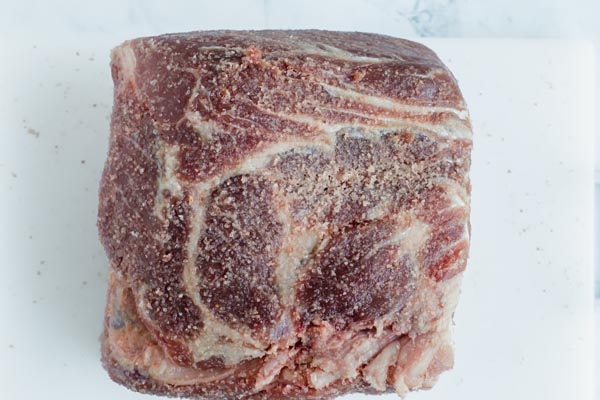
The trick starts the night before. I salt the pork shoulder generously (about half a teaspoon per pound) and let it sit uncovered in the fridge overnight. That dry brine pulls moisture to the surface, then draws it back in, so the meat stays juicy through a long cook. The next morning I pat it down, dampen the surface, and pack on the spice rub. The paprika and monk fruit do most of the visual work. The bark that forms is dark, slightly sweet, and genuinely smoky-looking even without smoke.
I cook this three ways depending on the day. Smoker or Traeger at 225 for 8-12 hours gives the best flavor. Oven at 225 in a roasting pan (covered with foil for the first 6 hours, uncovered for the last 2) gets you 90% of the way there with zero effort. Slow cooker on low for 8-10 hours is the hands-off version, though you lose the bark. I crisp the shredded meat under the broiler for 3-4 minutes after to get some texture back. All three methods need an internal temperature of 195-203 degrees before you pull it.
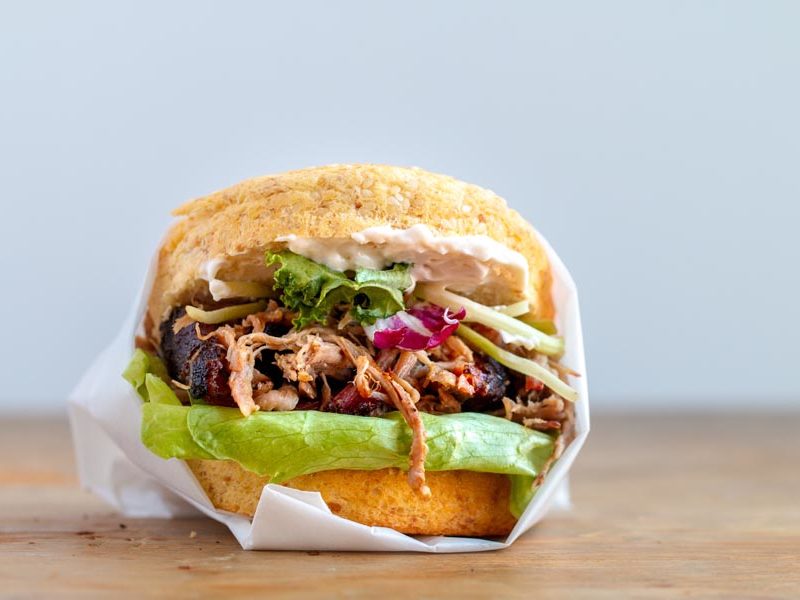
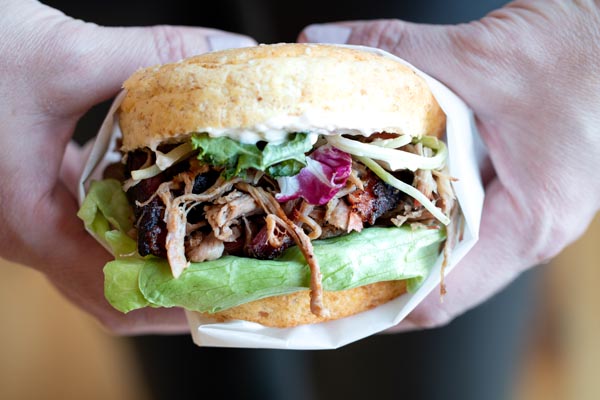
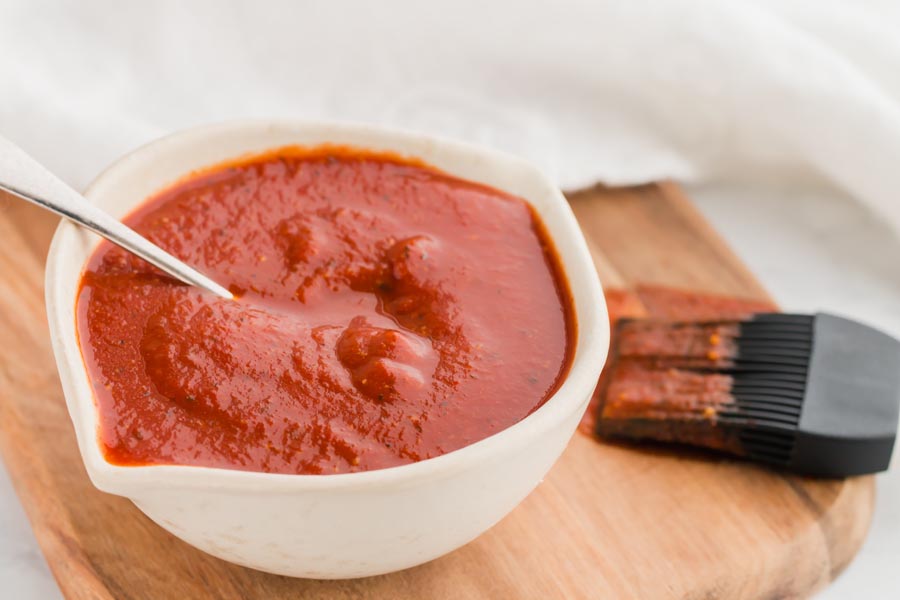
For serving, I pile this on everything: lettuce wraps, cauliflower rice bowls, low carb buns, or straight out of the container at midnight (no judgment). Toss it with my homemade keto BBQ sauce or eat it dry with a squeeze of lime. If you’re feeding a crowd, pair it alongside slow cooker pork ribs or keto BBQ chicken for a full spread. My grilled pork chops with rosemary lime butter are another solid option if you want pork on the grill without the all-day commitment.
This freezes well. I portion shredded meat into quart bags, press flat, and freeze for up to 3 months. Reheat in a covered pan with a splash of broth to keep it moist. I’ve also reheated directly from frozen in the slow cooker on low for 2-3 hours. If you like low-and-slow pork in general, my Asian pork tenderloin uses the same long cook approach with a completely different flavor profile.
I cook mine on a Traeger with hickory pellets, and the smoke and the sweet rub together are unbeatable.
Pork Butt or Pork Shoulder
Pork shoulder and pork butt both come from the shoulder of the pig. Butt sits higher on the front leg and shoulder sits below it. Both are inexpensive, fatty cuts that need long, slow cooking to break down the connective tissue, and both work in the smoker, the oven, or a braise. Pork butt has more fat and marbling, so it has more flavor and cooks a bit faster than shoulder. I prefer it when I can find it.
Ways to Use Leftover Pulled Pork
Pulled pork is my go to for meal prep because you get a ton of meat from one cook. I love it with my keto BBQ sauce. Here is what I make with the leftovers:
The overnight salt rub is not optional. I've tested skipping it, and the difference in juiciness is obvious. Salt the pork the night before, refrigerate uncovered, and let that dry brine work. The next day, dampen the surface with wet hands before packing on the spice rub so it grips the meat.
Temperature is everything with this cook. Whether you use a smoker, oven, or slow cooker, you're waiting for an internal temp of 195-203 degrees. Below 195, the connective tissue hasn't broken down enough and the meat won't shred cleanly. I check with an instant-read thermometer starting around hour 7.
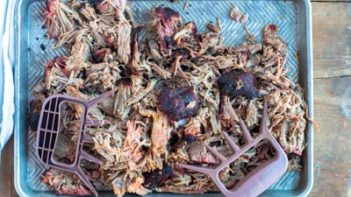
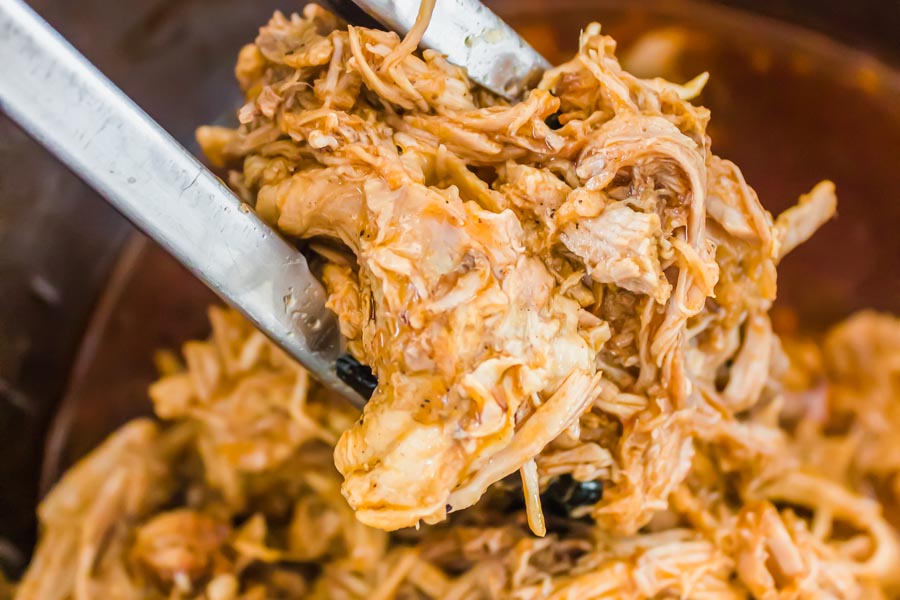
After the cook, rest the pork for at least 30 minutes before shredding. I wrap mine in foil and a towel inside a cooler for up to 90 minutes on big cook days. Resting lets the juices redistribute so they don't run out when you pull. Shred with two forks or meat claws. One note on the ginger in the rub: it builds intensity over a long cook, especially in the slow cooker. The card lists two tablespoons, but I start at one now and adjust up from there, based on feedback from readers who found two tablespoons strong. If you enjoy other keto pork dishes, try my bacon wrapped pork chops for a faster weeknight option.
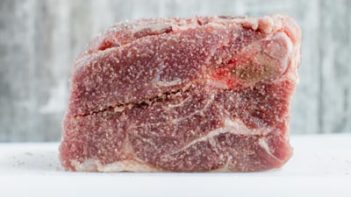
The night before cooking, rinse the pork and pat dry with paper towel. Rub salt all over all of the pork and refrigerate overnight.
2
Make the rub
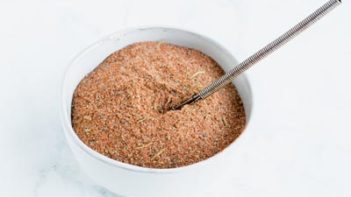
Combine the rest of the ingredients for the dry rub.
3
Dry rub and smoke
Wet the pork with wet hands so the rub sticks to the meat better. Then rub the seasoning mixture all over the pork. Cook in a smoker, oven or traeger grill at 225 degrees for 8 to 12 hours or until internal temperature is 195 to 203.
4
Shred
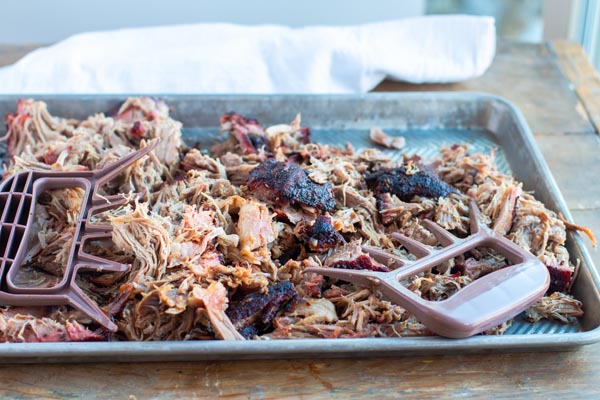
Shred the pork using claws or two forks.
Nutrition
Per serving: 1/12 of recipe
Calories
368
Fat
19.1g
Protein
27.5g
Total carbs
8.2g
Net carbs
6.6g
Nutrition is an estimate calculated from the ingredients listed. Brands vary, so check labels if you track closely.
Frequently Asked Questions
Is this pulled pork actually sugar free?
Yes, and I mean genuinely sugar free. There's no brown sugar, no maple syrup, and no honey anywhere in the rub; the sweetness and that dark caramelized bark come entirely from golden monk fruit. I call it out because most restaurant and store-bought versions sneak in a surprising amount of sugar (between the rub and the sauce, some run 20 grams or more per serving). I skip all of it and reach for my keto BBQ sauce when I want it saucy, so the whole plate stays low carb.
Can I make this in a slow cooker or Instant Pot instead of a smoker?
I make this in my slow cooker all the time. Set it on low for 8-10 hours until the internal temp hits 195-203. You won't get bark from the slow cooker, so I shred the meat and spread it on a sheet pan under the broiler for 3-4 minutes to crisp the edges. For Instant Pot, I pressure cook on high for 60-75 minutes with a natural release (similar approach to my Instant Pot shredded chicken). The texture is a little different than smoked, but it still shreds beautifully.
What can I substitute for golden monk fruit sweetener?
I've used erythritol and allulose in this rub and both work. Allulose caramelizes the closest to real sugar, so the bark looks better with it. Stevia works too, but check the conversion on your bag since stevia and Lakanto don't measure the same. I'd start with less and taste the raw rub before committing.
Can I freeze this, and how do I reheat it?
I freeze this constantly. Shred the meat, portion into quart freezer bags, press them flat, and freeze for up to 3 months. For reheating, I thaw overnight in the fridge and warm in a covered pan with a splash of broth (the broth keeps it from drying out). I've also gone straight from frozen into the slow cooker on low for 2-3 hours when I forgot to thaw.
What can I serve with this?
I eat this on everything. Lettuce wraps, cauliflower rice bowls, over a salad, or piled on low carb buns. My go-to is piling it on keto grilled pizza with BBQ sauce and red onion. It also works great as the protein in taco bowls or stuffed into bell peppers.
Is regular BBQ sauce keto-friendly?
Most store-bought BBQ sauce is loaded with sugar (some have 10-15g carbs per tablespoon). I always use my homemade keto BBQ sauce or check labels for sugar-free options. If you're buying off the shelf, look for sauces sweetened with erythritol or allulose and check that total carbs are under 2g per serving.
How do I keep the pork moist when reheating?
I add a splash of broth or the collected pan drippings when I reheat. Cover the pan so the steam stays trapped. Microwave works in a pinch, but I get better results on the stovetop over medium-low heat with the lid on. The worst thing you can do is reheat uncovered at high heat, because it dries out fast.
Can I use a different cut of meat?
I've tested this with pork loin and it works, but pork shoulder or pork butt gives you the best texture because of the fat content. Leaner cuts dry out more easily over a long cook. If I use pork loin, I shorten the cook time and pull it at 190 instead of 200+.
My advice for anyone on the fence, get the biggest shoulder you can find, you will want the leftovers. I hadn’t had pulled pork since I started keto and that first bite got me! SO good!
Sonia, a few hours will get you seasoned meat, but the overnight salt is what gives you that dark crackly bark. If you’re pressed for time I’d do at least four hours.
Let the shredded pork sit in its own drippings for five minutes before plating. Bark holds. First pulled pork I’ve ever made, and monk fruit in a rub felt like a gamble. It wasn’t. Caramelizes exactly like brown sugar.
Yuki, the dripping rest is one of those things I started doing and never stopped. Golden monk fruit surprised me too when I first tested it, caramelizes closer to real sugar than anything else I’ve tried.
The smell while it rested was exactly what I’d expect from a brown sugar rub, which surprised me. I figured monk fruit in a dry rub was mostly decorative, but it actually caramelizes and the bark is real.
The smell gives it away before it even comes out of the smoker. Golden monk fruit and paprika together, I honestly can’t tell it from a sugar rub by nose. Bark isn’t a given with sweetener swaps but this one earns it.
That reaction made my day. The rub is what usually kills pulled pork carb-wise, and once I cracked the monk fruit version I couldn’t believe it took me this long to figure it out.
Almost skipped the ginger, 2 tablespoons felt like a lot for a rub. My son walked in while it was resting and said it smelled like an actual barbecue place. Unsolicited compliment from that kid beats any restaurant review.
Good nose on that kid. Two tablespoons does look like a lot, but ginger mellows into background warmth by the time the meat’s falling apart. Hope he’s there for the next one, Alicia.
Did the overnight salt rub for the first time thinking it was just for flavor. Meat shredded in bigger, cleaner pieces than anything I’ve made without one. Four containers, Tuesday through Friday covered.
The shredding thing surprised me too the first time I really paid attention to it. Salt breaks down the muscle fibers overnight, not just the surface, so you get those long clean pulls instead of a pile of pieces. Four containers Tuesday through Friday. That’s the whole point of making a 10-pound shoulder instead of something smaller. I usually do two butts at once when I know a busy week is coming.
Crush the dried rosemary between your palms before it goes into the rub. You get more of the oils released and the bark ends up with this earthy depth that you don’t get from just dumping it in.
Trying this on the next one. Rosemary is already the quieter note in that rub at two teaspoons, and I’d bet releasing the oils first is why mine reads stronger some batches than others.
Added a teaspoon of chipotle powder to the monk fruit rub and the bark picked up a low, smoky heat that plays well with the ginger. Caramelization came through exactly the same. Won’t be making it without that addition.
Chipotle and ginger pull heat from different places so they don’t compete, they just add up. Good that the caramelization held, that’s the whole reason the monk fruit ratio is what it is in this rub.
Swapped half the paprika for smoked paprika and the bark came out noticeably darker, almost mahogany. That monk fruit caramelization on smoked paprika is freaking something else.
Mahogany bark is exactly the target with this rub. I ran a test at full smoked paprika once and the rosemary and ginger got buried, so half and half is where the ratios hold together. The caramelization difference you noticed is real, monk fruit grabs smoke differently than it grabs plain heat. It also sets harder, the bark on mine didn’t soften when I rested the shoulder under foil. Going to write that swap into my notes.
Added a tablespoon of smoked paprika on top of what the recipe calls for because I only had half the regular kind and figured it would even out. The bark came out way darker than I expected, almost caramelized black at the edges, and I had a moment of thinking I’d wrecked a 9-pound shoulder. Pulled it anyway. Inside was completely fine, falling apart the way it should, and that outer crust had this deep almost candied quality from the monk fruit hitting the heat. If you’ve got both kinds of paprika in the cabinet, try half and half on the rub. I’ve made this three more times since and that ratio is just how I do it now. The overnight salt rest is worth doing right too, I tried skipping it once out of laziness and the moisture difference was obvious.
Half smoked, half regular – noted. Going to test that on the next shoulder. And yeah, you feel the moisture difference immediately when you skip the overnight rest.
Pat the pork dry with paper towels after the overnight salt rub, right before the spice blend goes on. There’s moisture that pulls out during the rest, and if you skip it the rub steams against the surface instead of caramelizing. Made this twice confused about why I wasn’t getting that bark color from the photos. Third time I remembered to dry it first. Night and day. I think the monk fruit needs that dry surface to actually do anything. Also: if you have drippings left over, reheating slices in a skillet with a spoonful of them brings the bark back way better than the microwave.
Tried this with half the monk fruit because I was nervous about too much sweetness and the bark barely developed. Went full amount on the second cook and it caramelized exactly the way the recipe describes, dark and crackly all the way around. Do not cut the rub short.
Pork came out incredibly tender after a full day in the slow cooker, and the dry rub has great bones. Two tablespoons of ginger was a lot for my taste though, so I’ll probably start at one next time and adjust from there.
Yeah the monk fruit caramelizes differently than regular sugar but you still get that crust. Three times since summer means you’ve got your timing down.
Ten hours at 225 on a Traeger gets a different bark than the slow cooker. Mustard powder binds in a rub but doesn’t have the same warmth ginger does. Still, if it came out great it came out great.
Love the idea of this recipe but Golden Monk fruit is pretty much unheard of this side of the pond (UK). Can’t even find it on Amazon. Could I use Stevia instead?