Grilled Bacon

Published August 19, 2022 • Updated June 7, 2026
This post may contain affiliate links. See my disclosure policy.
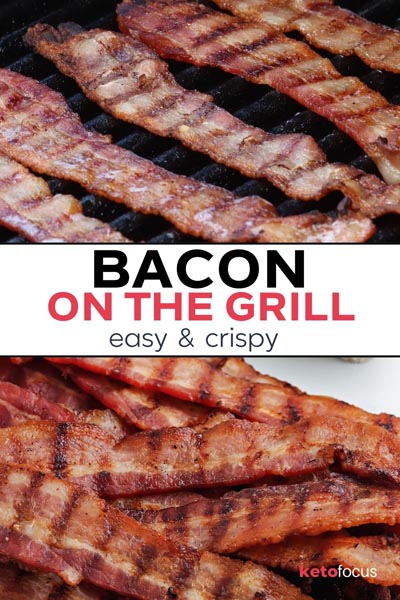
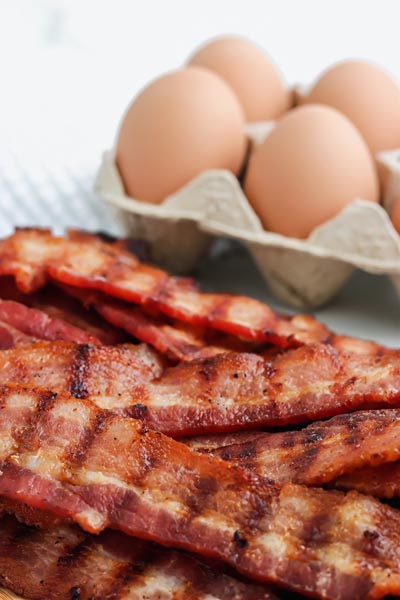
Grilled bacon is one of my favorite ways to cook breakfast when we're outside. The smoky charcoal flavor takes regular bacon somewhere a skillet never can, and I love that cleanup is basically zero.
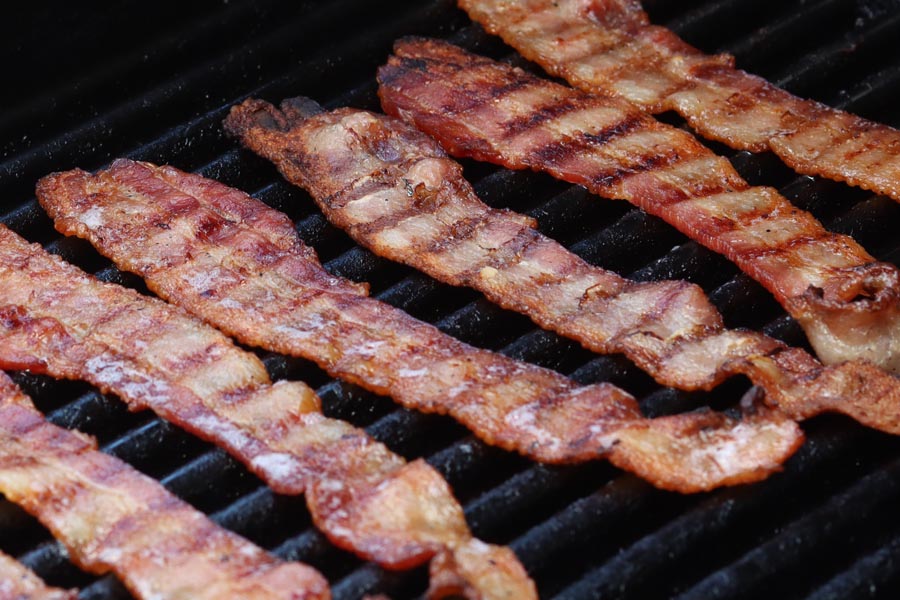
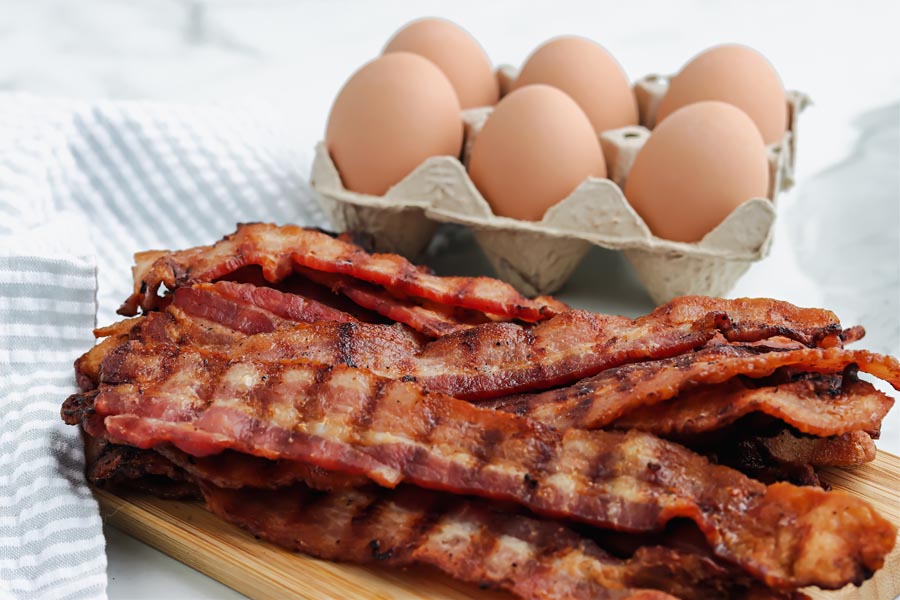
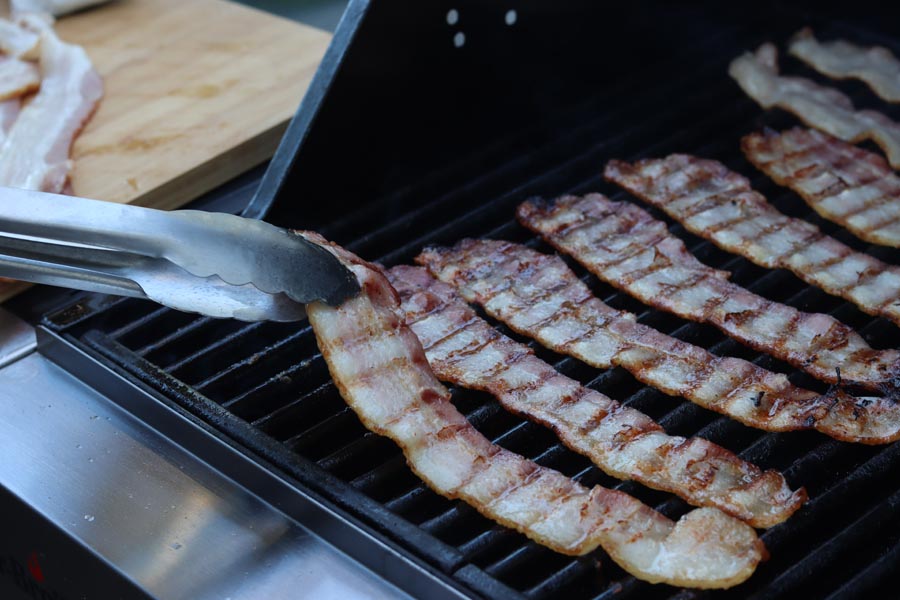
I make grilled bacon all summer long, and well into fall whenever the weather cooperates. Once you taste what a charcoal or wood-burning grill does to a thick-cut strip, you won’t want to go back to the stovetop. The smoke gets into the fat as it renders, and you end up with something that tastes like it came from a barbecue pit, not a breakfast plate. I’ve tried every method over the years, and this is the one I keep coming back to.
I started doing this about five years ago because I was tired of cleaning grease off my stovetop. What I didn’t expect was how much better it would taste. The fat renders differently over live heat, and the smoke infuses the meat in a way no indoor method can touch. My family noticed the difference the first time I brought a plate in from the patio.
If you want other ways to use bacon, try my bacon wrapped pork chops or bacon wrapped asparagus kebabs. I rotate between grilling strips straight and wrapping them around other proteins depending on who I’m feeding.
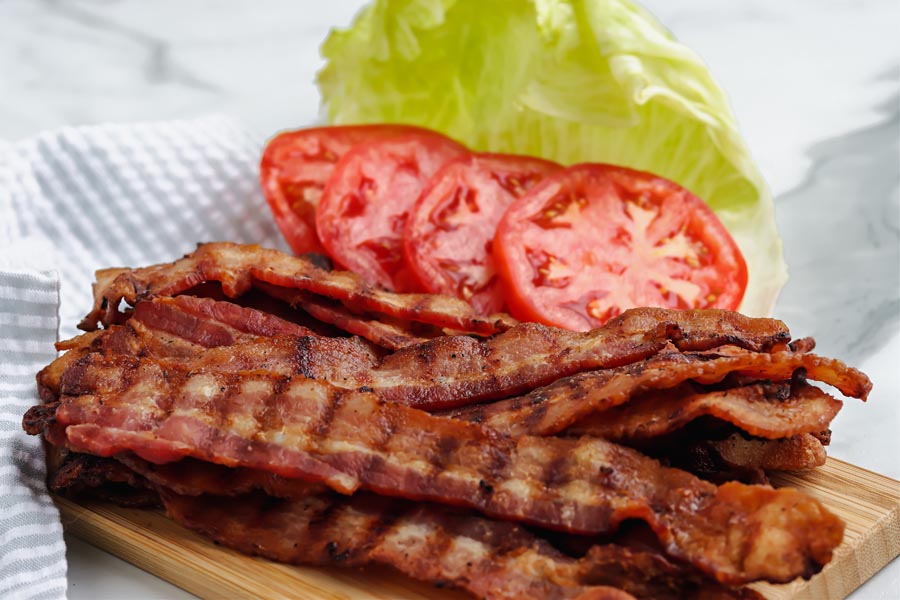
The key to getting it right is indirect heat. I light one side of the grill and lay the strips on the other side. This gives the bacon time to render slowly and soak up all that smoky flavor without flare-ups from dripping fat. I keep the temperature around 325°F and check every few minutes. Mine usually takes about 10 minutes for regular cut and closer to 12-14 for thick-cut.
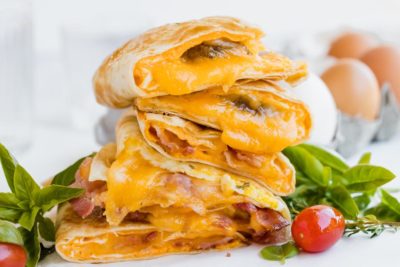
I use this as a base for so many keto meals. Crumble it over mini frittatas, stack it in a breakfast quesadilla, chop it into a salad, or just eat it straight off the grate with some sliced tomatoes. When I’m batch cooking for the week, I’ll do a full pound at once and let it cool completely before storing. The strips keep in the fridge for four or five days, and I pull them out for breakfasts all week long.
One thing I always do: save the bacon fat. I pour it into a jar right after cooking and keep it in the fridge. It’s perfect for frying eggs, cooking vegetables, or adding richness to anything you’d normally use oil for. Nothing goes to waste.
Sprinkle on fresh cracked black pepper before grilling, or if you want something sweet, brush on a little maple syrup in the last two minutes for candied bacon. I’ve done both and they’re completely different experiences from the same cut of meat.
How to grill bacon step by step
I always use indirect heat when I’m grilling bacon. Direct flame causes flare-ups from the dripping fat, and you end up with charred spots instead of even crispiness. Here’s the method I’ve landed on after doing this hundreds of times.
- Heat one side of the grill to about 325°F. Leave the other side off.
- Brush the grates clean and rub a light coating of oil so the bacon doesn’t stick.
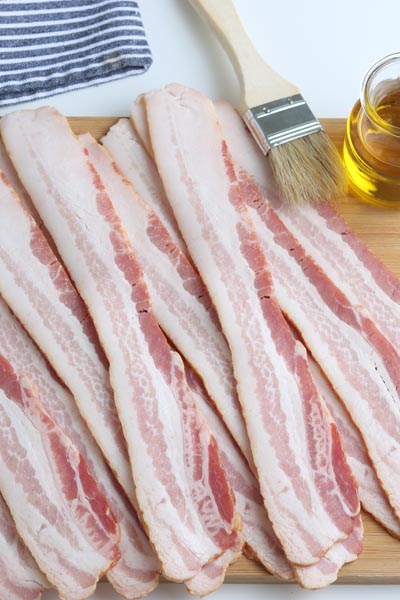
- Lay the strips across the unlit side. I space them about half an inch apart so air circulates around each one.
- Cook for 10-14 minutes depending on thickness. I check every 3-4 minutes and flip once halfway through. If strips start sticking around minute 5, brush the grates with oil again. I picked this up from a reader who lost a few strips before figuring it out.
- Transfer to a paper towel-lined plate and cover loosely. I let mine rest for a minute or two before serving.
Best bacon for grilling
The cut you pick matters. I’ve tested all of them and here’s what I recommend.
- For indirect heat, center-cut, regular, or thick-sliced all work. I usually grab thick-cut because I like the chew, but regular crisps up faster if you’re in a hurry.
- For direct heat, stick with thick-cut. It holds together better over high flame, flips easier, and doesn’t curl up or fall through the grates.

Explore hundreds of keto recipe videos with step-by-step instructions, tips, and tricks to make keto easy.
Ingredients
 12 slices bacon, thick cut
 -
2 tablespoons neutral oil (for brushing grates)
Step by Step Instructions
Step by Step Instructions
Preheat grill
Preheat grill to medium-high heat (about 325°F) using one side of the grill burners. Brush cleaned grill grates with a light coating of oil.

Grill bacon
Place the bacon strips across the grates away from the direct heat source. Turn burners to medium-low and cook until done to your desired crispiness. Watch carefully to prevent burning, flip as needed to control cooking.

Nutrition disclaimer
The nutrition information provided is an estimate and is for informational purposes only. I am a Doctor of Pharmacy (Pharm.D.); however, this content is not intended to be a substitute for professional medical advice, diagnosis, or treatment. Always consult your physician or other qualified health provider before making any lifestyle changes or beginning a new nutrition program.
Your Macros. Your Recipes. Calculated in 60 Seconds.
Get personalized keto macros and instantly see which recipes fit your targets. No more guessing what to eat.
Get My Macros + Recipes →Frequently Asked Questions
How do you grill bacon?
I set up my grill for indirect heat. I light one burner or bank the coals on one side, bring the temperature to 325°F, then lay the strips over the cool side so the fat renders slowly without flare-ups. I flip once around the halfway mark and pull them after 10-14 minutes depending on thickness. The smoke works its way into the fat as it renders, which is the part a skillet can't give you.
How long does it take to grill bacon?
Mine takes about 10 minutes over indirect heat for regular-cut strips. Thick-cut runs closer to 12-14 minutes. I check every 3-4 minutes and flip once. You want the edges golden-brown and the fat mostly rendered, but still a little bit flexible in the center if you like any chew at all.
What temperature should I grill bacon at?
I keep my grill around 325°F for bacon. I've tried higher temps and the fat drips too fast, causing flare-ups. Lower and it takes forever. 325°F with indirect heat has been my sweet spot for years.
Can you freeze grilled bacon?
I freeze it all the time. I lay the cooked strips flat on a sheet pan, freeze them for about an hour, then transfer to a freezer bag. They keep for up to 3 months and I can pull out exactly how many I need for the week.
How do you know when grilled bacon is done?
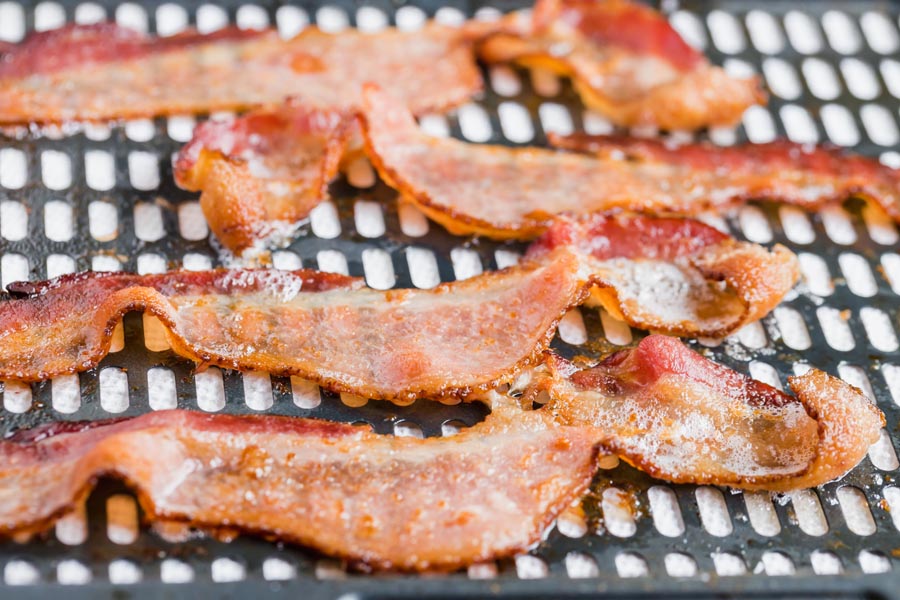
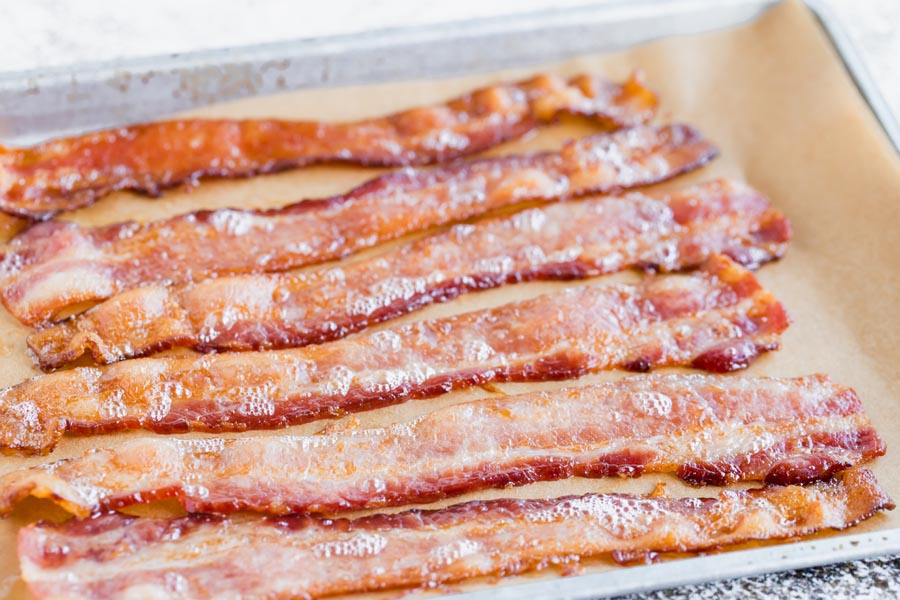
I look for golden-brown color and edges that have started to curl and crisp. The fat should be mostly rendered and the strips should feel firm but not brittle. I pull mine just before I think it's done because it keeps cooking for another minute on the plate.
Why is sugar added to bacon?
Sugar is part of the curing process. It draws out moisture and helps preserve the meat. I always check the label when I'm buying bacon for my keto meals. Most brands have 0-1g sugar per serving even with sugar in the cure, but I grab sugar-free when I can find it.
Can you make grilled bacon ahead of time?
I do this every week. I'll grill a full pound on Sunday, store it in the fridge, and use it all week on keto avocado toast, in salads, and in sandwiches. It reheats in 15-20 seconds in the microwave or 2 minutes in the air fryer.
How do I keep bacon from falling through grill grates?
I've lost my share of strips before I figured this out. Thick-cut holds its shape better than regular as the fat renders, so that's my first recommendation. If your grates have wide spacing, thread the strips onto bamboo skewers or use a grill mat. I also lay the bacon perpendicular to the grate lines so the strips bridge across them instead of sitting in the gaps.
What's the best wood for smoking bacon on a charcoal grill?
I've tried hickory, applewood, and cherry chips with bacon. Applewood is my favorite because it adds a mild sweetness that pairs with the salt in the cure. Hickory gives a heavier, more traditional barbecue smoke. I toss a small handful of soaked chips onto the coals right before I lay the strips down. The smoke is strongest in the first five minutes, which is exactly when the fat starts rendering and absorbs the most flavor.






Zero flare-ups the last four grill sessions once I started putting a disposable foil pan under the coals. Fat has somewhere to go instead of hitting them and igniting. Before that I was doing constant lid checks, moving strips every time flames jumped, and the bacon would cook unevenly the whole time. Indirect heat is supposed to mean hands-off, but you don't actually get that if the drips keep flaring. Now I'm out there maybe once to flip. That's it. One pan for every couple of burners on gas, and on charcoal I fold a double sheet of heavy foil into a little tray. Can't go back.
Foil pan under the coals. Should have been obvious, wasn't. Stealing the charcoal fold.
The indirect heat instruction had me skeptical. Fat needs fire under it, or so I figured. Put the strips away from the flames anyway and eight minutes later the fat had gone from raw to that crackling, translucent stage without a single flare-up. I've done thick-cut in the oven for years to avoid splatter, but the smokiness here gets INTO the meat in a way the oven never does.
My 12-year-old smelled this from inside and came out to the backyard barefoot. She doesn't do that for anything I cook. I've made her bacon a hundred ways and she's never once stood at the grill watching the last two minutes like she had a stake in it.
Yeah. That's the moment. You can smell it.
didn't think grill mornings made it through keto. they do.
The cleanup is what got me. Tongs, done. I'll throw eggs on the cool side right after for a full breakfast, one pan.
My grandfather used to do this at every summer cookout when I was a kid. I hadn't thought about it in years until that charcoal smoke hit me while the bacon was sitting over indirect heat and the whole memory just came back at once. He did it the exact same way, strips across the grates away from the flame, nothing fancy. We'd eat it standing around the grill before everything else was even close to ready. Made this a few times this spring and the last time I actually called him after. Told him what I was making and he said his dad showed him the same method.
Love that you called him right after. Three generations, same method, no tweaks needed.
Can you use a gas grill?
Yes! Just watch for flare-ups. If flames pop up, move the bacon temporarily to a cooler area.
My husband is a cast iron bacon purist, so I was not expecting much enthusiasm when I made this outside last weekend. He watched me lay the strips away from the direct heat and told me I was doing it wrong. Then he ate four pieces standing at the grill before I could even get them to the plate. Something about the char at the edges that a skillet just never gives you.
Four before plating. He's converted.
Made this last weekend for our first real grill session of the spring. My husband usually runs the grill but he stepped aside while the bacon was going and just stood there watching the fat drip onto the coals. Said it smelled like a diner, but outside. He's asked me to do it every Saturday since, which from him is basically a standing ovation.
Ha, 'smelled like a diner but outside' is exactly it. That's the fat hitting the coals and a skillet just can't do that. Saturday bacon is a good tradition to lock in.
My dad used to cook bacon on the grill every Fourth of July and I thought that was just a him thing. This brought all of that back, the smell especially, that charcoal smoke hitting the fat as it renders. Saving this for every cookout from here on.
The charcoal smoke hitting the fat is half of it. Can't fake that on a stovetop. Your dad was onto something.
My dad used to grill bacon on Sunday mornings when I was a kid and the second I laid those thick-cut strips across the grates this morning, it all came back. Same sizzle, same smoke off the charcoal. I've been doing keto for almost three years and I stopped expecting food to actually feel like something, like really feel like something, but this hit different. The fat renders over charcoal the way a skillet just can't, slightly crisped on the outside but not brittle, and that smoky undercurrent gets into the meat itself. I kept the grill at medium-high and pulled mine just before full crisp because I like a little give, and it was exactly what I wanted. First grill of the spring and I didn't even plan for it to be meaningful. It just was.
Pulling before full crisp is right. Thick-cut keeps cooking for a minute off the grates, you land where you want anyway. First spring grill always turns into something.
Kids smelled it from inside and were on the patio before I pulled the first strip. 325 indirect keeps the fat from flaring. Strips come off flat, good char. We always do bacon when the grill's already going.
Ha, mine do the same thing. And yeah, piggybacking it onto an already-hot grill is the move. Flat strips, no curling, barely any cleanup.
Been cooking bacon on a cast iron skillet my whole life and never saw any reason to drag it outside until I tried this. The indirect heat thing is what got me. I went in expecting flare-ups and char, not actual even cooking. Every strip had this layer of smoke flavor on it that the skillet just flat out can't do. Burned my first batch because I had the heat too high, so the 325 range on the thermometer actually matters. Second try came out right. The cleanup is also real. Wiped the grates, walked away. That skillet takes me 20 minutes of scrubbing. Not going back.
325 is not negotiable with bacon. I've pushed it higher trying to speed things up and ended up exactly where you were on the first try. The cleanup thing is what finally got my husband to try it outside. He hates dishes.
The indirect heat thing was new to me and it actually worked (way fewer flare-ups than when I just lay bacon straight over the flame). Mine were pretty thick-cut so I probably could have pulled them a minute sooner, but the smoky flavor came through in a way my stovetop never gets close to.
Direct heat with bacon is basically asking for flare-ups. The fat drips too fast. For thick-cut, I watch the fat going translucent more than the color on the lean side. That's when you're close.
Thought grilling bacon was just a gimmick. Every time I tried it before I got flare-ups and burnt ends. The indirect heat setup actually fixed that, and the smoke you get is something my skillet flat out can't touch.
The smoke is what does it. Charcoal bacon is just a different food.
Four grilling weekends in a row and I still can't nail the timing on thick cuts. But the indirect heat setup? Zero flare-ups, and the smoky char beats any skillet bacon I've made.
Thick-cut needs closer to 12-14 minutes, and I check every 3-4 minutes instead of waiting. Flip once when the underside goes from pink to golden. The fat takes longer to render and that's where the timing trips people up.