Keto Bread Crumbs

Published April 23, 2023 • Updated March 8, 2026
This post may contain affiliate links. See my disclosure policy.
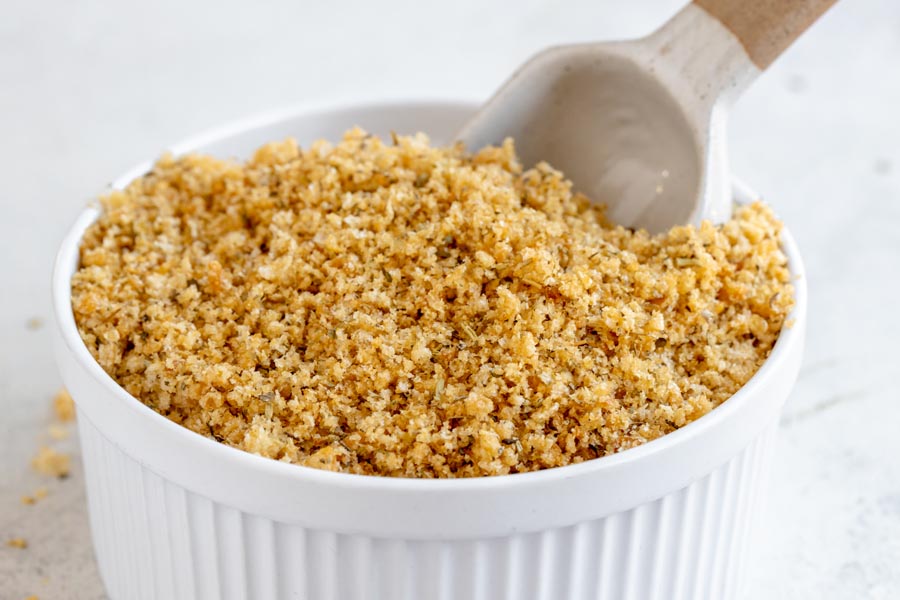
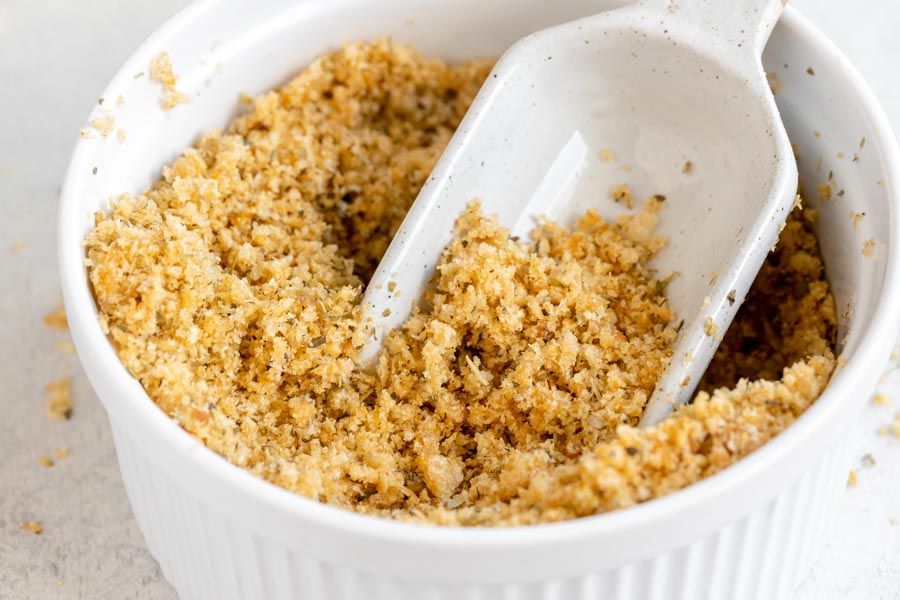
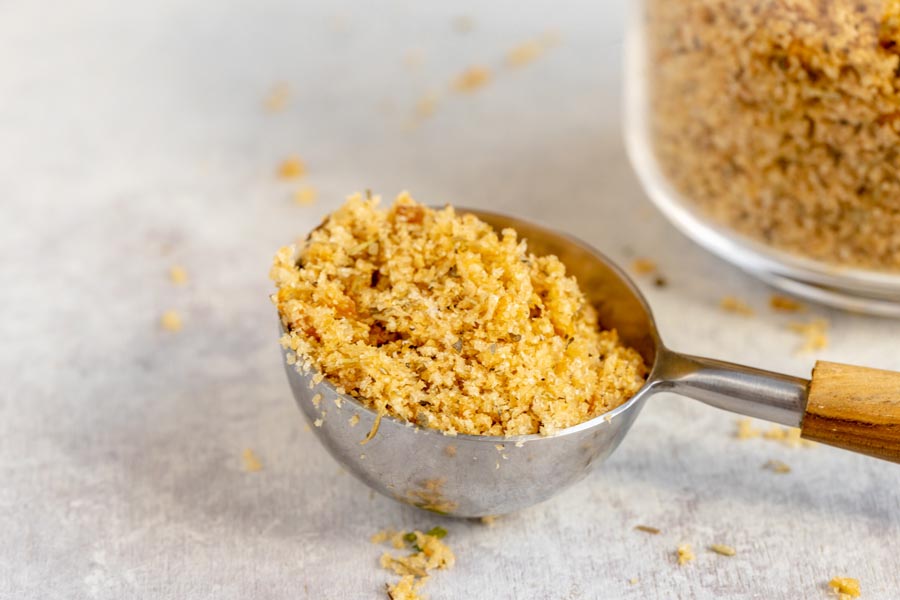
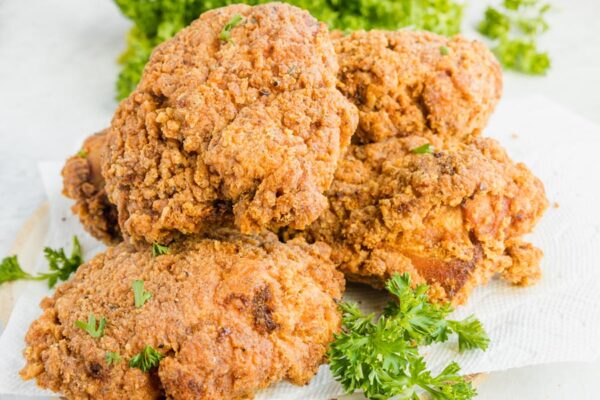
I keep a mason jar of seasoned pork panko next to my stove at all times. That’s not an exaggeration. Once I started using it as my go-to breading, I stopped reaching for almond flour entirely. The coating stays crunchy even after sitting on the counter for 10 minutes or more, which is something I can’t say about most low carb alternatives I’ve tried.
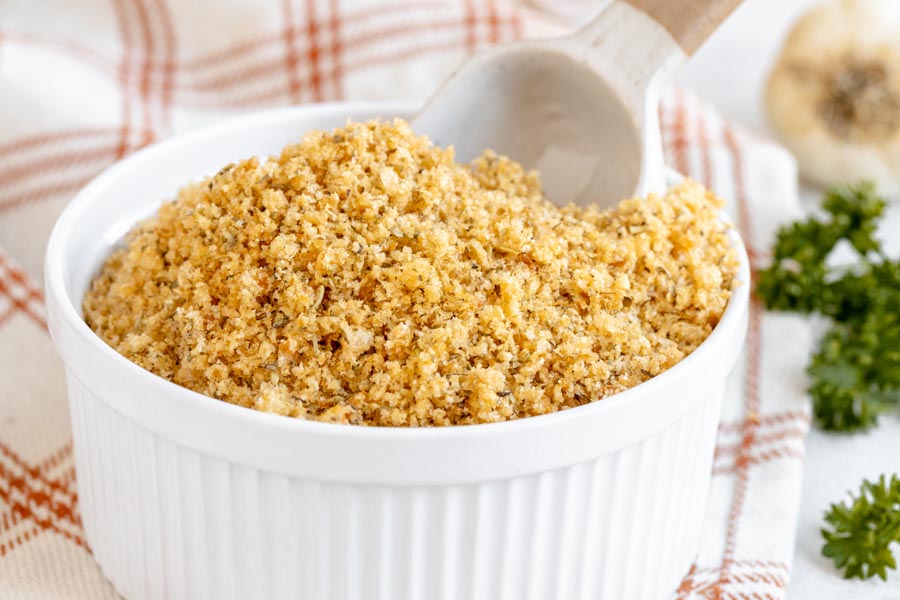
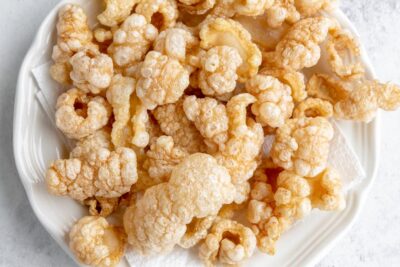
What makes this different from other breading options is the texture. Pork panko creates a thick, crispy layer that holds up to frying, baking, and air frying without getting dry or crumbling off. I used almond flour as a coating for years and it works, but it tends to get crusty and almost chalky once it cools. Pork panko doesn’t do that.
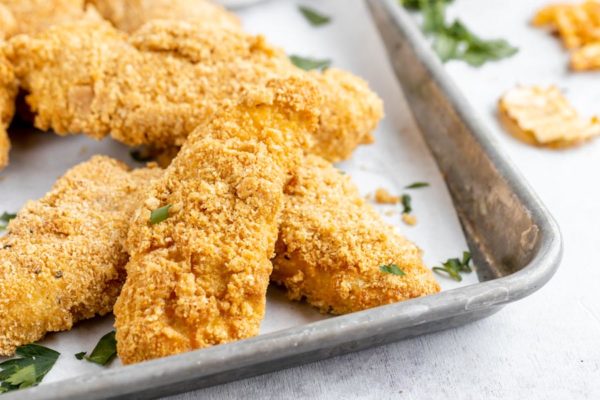
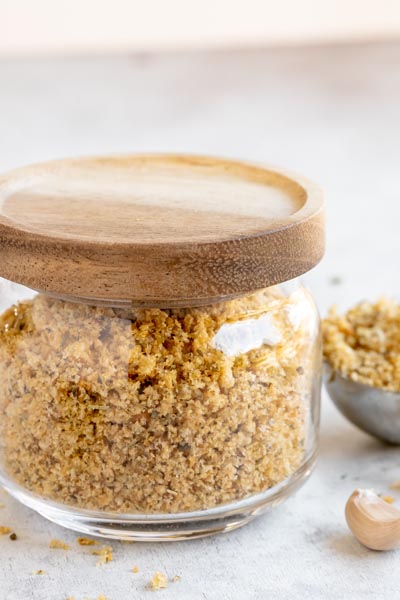
The recipe itself is almost too simple. Mix pork panko with Italian seasoning, garlic powder, and salt. That’s it. I make a big batch every couple of weeks and store it in an airtight container so it’s ready whenever I need it. Having seasoned panko on hand cuts my prep time in half for recipes like keto chicken katsu and bacon wrapped chicken tenders.
I tested several seasoning blends before settling on Italian seasoning as the base. It’s versatile enough to work on chicken, pork, vegetables, and even cheese sticks without competing with other flavors. If you want something more specific (Cajun, ranch, everything bagel), swap out the Italian blend. I always come back to the original.
The zero carb count is the other reason I stick with pork panko. A 2-tablespoon serving of regular panko runs 8 grams of net carbs. This version has none. When you’re breading a full sheet pan of air fryer pork chops or coating cutlets for a weeknight dinner, that difference adds up fast.
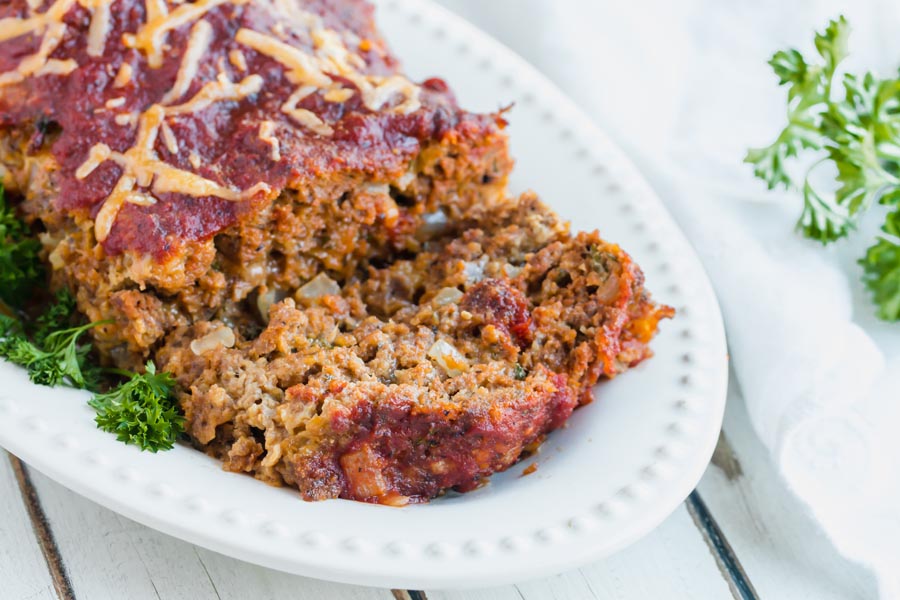
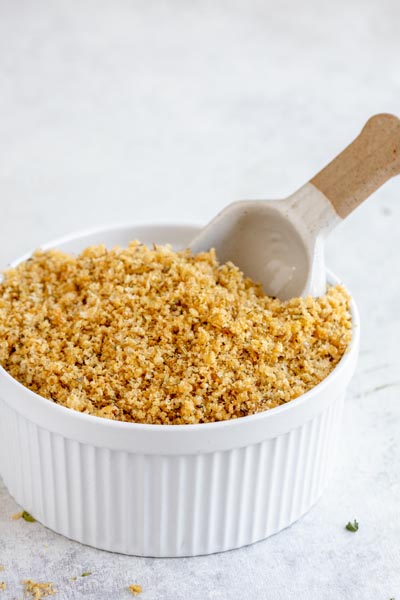
I’ve also started grinding my pork panko to different textures depending on the recipe. A coarse grind gives that panko-style crunch I want on breaded chicken, while a finer grind works better as a binder in meatballs and meatloaf. One small change, and it opened up a lot more uses in my kitchen.
You can make your own pork panko from scratch using my homemade pork rinds recipe, or buy it premade. Either way, once you have the base, this seasoned version comes together in about 30 seconds.
How to make and use pork panko
While this is easy to mix up whenever you need it, I prefer making a big batch and portioning out a scoop or two as I go. The seasoned mix keeps for months, so there’s no reason not to have it ready.
To get the coating to stick, set up a simple dredging station: one plate with the seasoned panko, one shallow bowl with a beaten egg (or two). Pat your protein completely dry first, dip it in egg, then press it firmly into the panko on both sides. I use my palm to really pack it on. The egg wash is what makes the difference between a coating that falls off and one that stays put through cooking.
Fine grind vs. coarse grind matters. For coating chicken or pork chops, I pulse the pork panko just a few times in the food processor so it stays coarse and flaky. For meatballs or meatloaf where I need a binder, I grind it down to a fine meal. The recipe below gives you the coarse panko-style version, but you can adjust the texture to fit what you’re making.
Key ingredients & substitutions
- Pork panko – Buy premade pork panko or make your own using my homemade pork rinds recipe.
- Seasoning – Italian seasoning, garlic powder, and salt. If using premade pork panko, you might not need extra salt depending on the brand.

Explore 683+ keto recipe videos with step-by-step instructions, tips, and tricks to make keto easy.
Ingredients
 4 oz pork panko
 -
2 tablespoon Italian seasoning
-
1 teaspoon garlic powder
-
¼ teaspoon salt

Nutrition disclaimer
The nutrition information provided is an estimate and is for informational purposes only. I am a Doctor of Pharmacy (Pharm.D.); however, this content is not intended to be a substitute for professional medical advice, diagnosis, or treatment. Always consult your physician or other qualified health provider before making any lifestyle changes or beginning a new nutrition program.
Your Macros. Your Recipes. Calculated in 60 Seconds.
Get personalized keto macros and instantly see which recipes fit your targets. No more guessing what to eat.
Get My Macros + Recipes →Frequently Asked Questions
How do I get keto bread crumbs to stick without regular flour?
I use a simple egg wash. Pat the protein completely dry first (this is the step most people skip), then dip it in beaten egg and press it firmly into the seasoned panko. I use my palm to really pack it on both sides. The egg is all you need. I've never had a coating fall off using this method.
What's the difference between a fine grind and panko-style coating?
I make both depending on the recipe. For coating chicken or pork chops, I pulse the pork rinds just a few times in the food processor so they stay coarse and flaky, which gives that classic panko crunch. For meatballs or meatloaf where I need a binder, I grind them to a fine meal. Same ingredient, completely different results.
Can I make these without pork rinds?
I've tested several pork-free alternatives. Ground hemp seeds are my favorite for anyone avoiding both pork and nuts. They have a slightly earthy crunch and come in at about 1 gram of net carbs per serving. I also like grated parmesan and ground lupini beans as zero or near-zero carb options.
How much pork panko do I use per pound of meat for meatballs?
I use about 1/3 cup of finely ground pork panko per pound of ground meat. That's enough to bind everything without making the meatballs taste like pork rinds. For coating, I usually set out about 1 cup of coarse panko per pound of chicken or pork. I'd rather have extra on the plate than run short mid-breading.
Can pork panko be used in an air fryer?
I air fry with pork panko all the time. The coating gets ultra-crispy without the mess of deep frying. I spray the breaded food lightly with avocado oil before air frying, which helps the outside get golden. My usual temp is 400 degrees F for about 10-12 minutes, flipping halfway through.
How many carbs in regular breadcrumbs vs. keto?
Regular breadcrumbs run about 8 grams of net carbs per 2-tablespoon serving. My pork panko version has zero. That's the biggest reason I switched. When you're breading an entire batch of chicken tenders, even a small per-serving carb count adds up across all the panko you use.
Do these work in a wet batter like beer batter?
Not the same way. Pork panko is a dry coating, so it works best pressed onto something with an egg wash. I've tried mixing it into a wet batter and it absorbs too much liquid and loses the crunch. For a batter-style coating, I mix a tablespoon of psyllium husk into the dry panko and do a double dredge (egg, panko, egg, panko). That gets me closer to a thick battered texture.




threw some parmesan in the breading mix and the coating actually stuck this time. dunno if that's a real trick but it worked
Parmesan fat helps the panko grip. I've done the same thing with pecorino. Works especially well on chicken cutlets.
Half a carb per serving for bread crumbs that actually crisp up. Pork panko is underrated.
Agreed, pork panko doesn't get enough credit. Once you start using it you won't go back to almond flour for breading.
Keep a jar of this in the pantry at all times. Used it on chicken cutlets last night and the coating stayed crunchy even after sitting on the counter for 10 minutes.
Tara that's exactly what I do. I keep a mason jar of it next to the stove. Chicken cutlets are one of the best uses for it.
How much pork panko do you use in recipe? Don't see it listed in ingredients.
Sharon Harris
4 oz of pork panko...not xanthan gum. Big goof on my part.