Hunan Chicken

Published July 13, 2023 • Updated February 23, 2026
This post may contain affiliate links. See my disclosure policy.
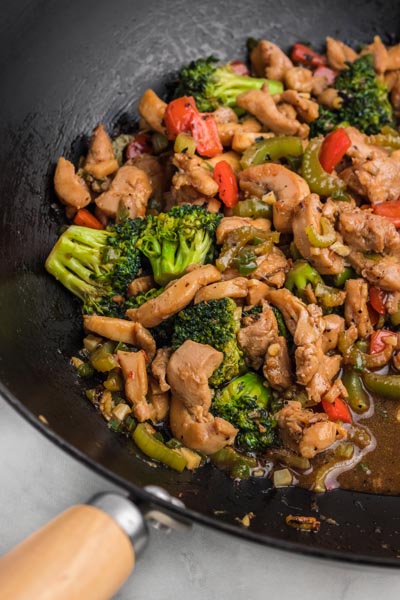
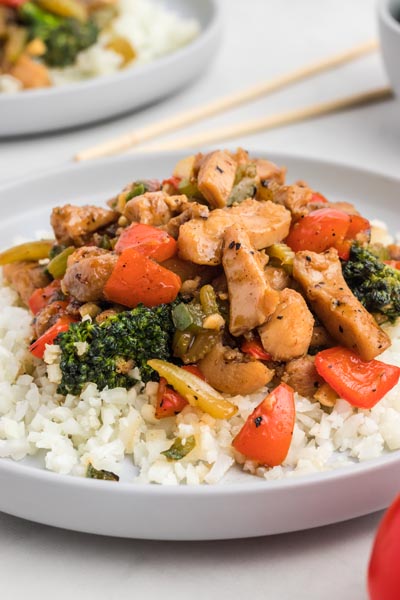
My version of hunan chicken: velveted chicken with peppers, broccoli and celery in a spicy, savory sauce. I make this keto stir fry at least twice a month.
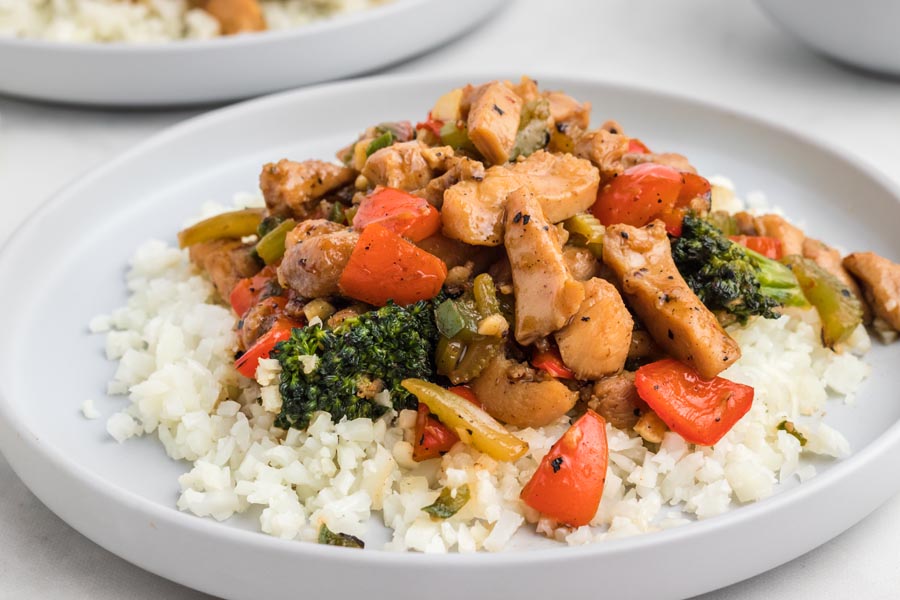
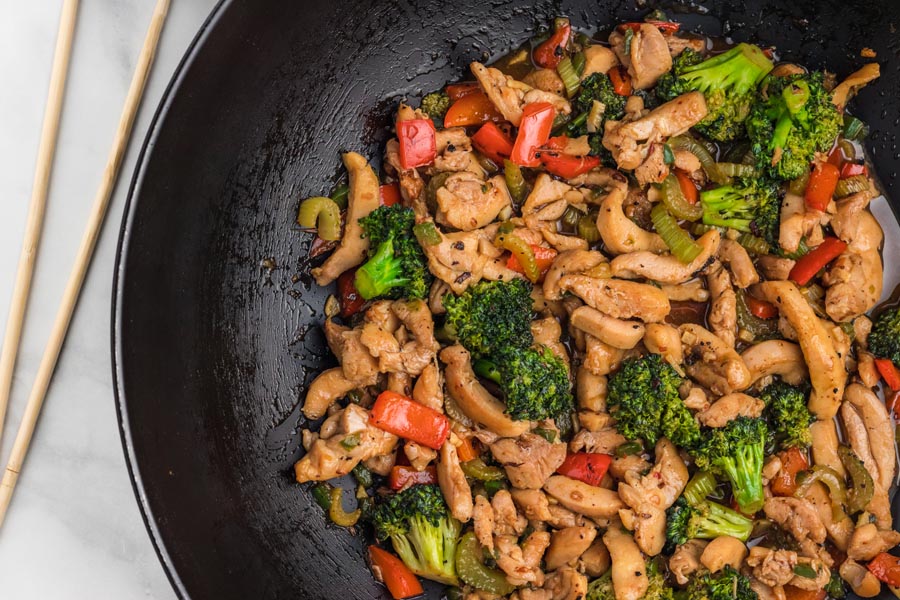
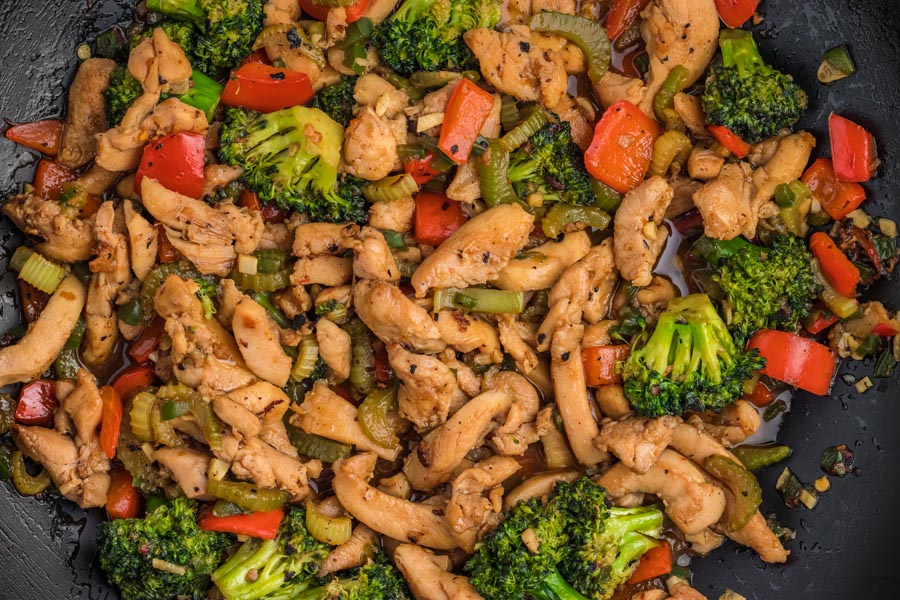
This is one of those recipes I come back to every couple of weeks because it just works. Tender chicken in a spicy, slightly sweet sauce with crisp vegetables, all done in about 30 minutes. The secret is velveting the chicken before it hits the pan, a technique I picked up years ago that completely changed how I make Chinese food at home. Once you try it, you won’t go back to just tossing raw chicken into a hot skillet.
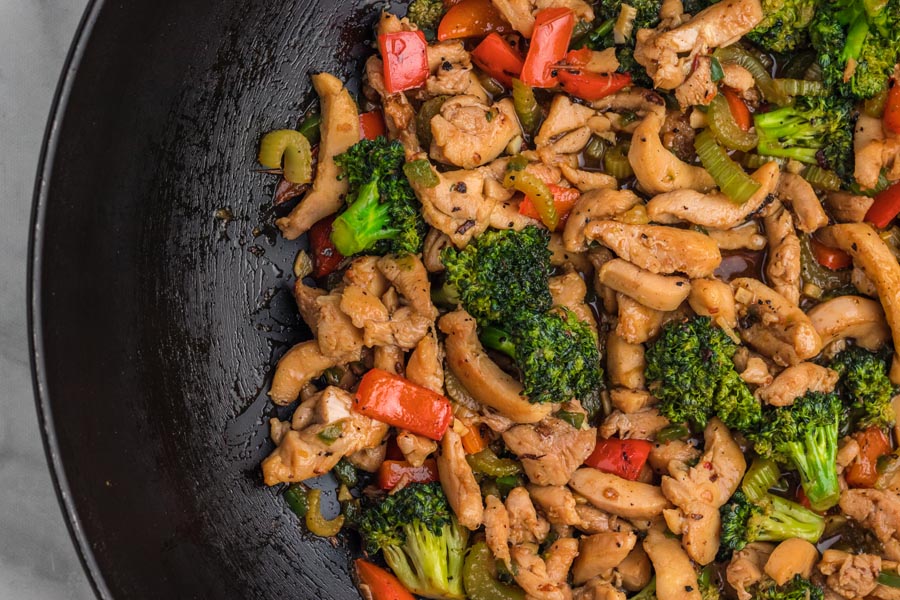
I’ve tested this recipe more times than I can count, adjusting the sauce ratios and trying different vegetable combinations. The version here is where I landed after years of tweaking: soy sauce, oyster sauce, chicken broth, a touch of brown sugar free sweetener, rice vinegar and chili paste. Together they create a sauce that’s spicy, savory and slightly tangy without any added sugar. It’s naturally keto friendly since there’s no breading, no cornstarch-thickened sauce drowning everything, and no hidden sugars. I like that the sauce coats the chicken and vegetables without being gloopy.
What makes this different from most recipes like it is the velveting step. I marinate thin-cut chicken in water and soy sauce, then coat it in cornstarch and a little avocado oil. When that chicken hits a screaming hot pan, the cornstarch forms a thin seal around each piece, locking the juices inside. You get silky, tender chicken that holds up in the sauce instead of turning rubbery. I use this same technique in my chicken stir fry and beef and broccoli, and it makes all the difference.
The vegetables are flexible, which is part of why I make this so often. I usually go with broccoli, celery and red bell pepper because that’s what I always have on hand, but snap peas, mushrooms or water chestnuts work too. The key is cooking them just until they soften slightly, not until they go limp. You want that crunch against the tender chicken. I toss the jalapeno and garlic in at the very end so they don’t burn.
For the heat, I use either Sambal Oelek or Huy Fong chili paste (I’ve tested both and they work equally well), plus a diced jalapeno for fresh, front-of-mouth spice. If you want it milder, skip the jalapeno. If you want more kick, add a second one or toss in some crushed red pepper flakes.
This pairs well with cauliflower rice or just on its own. My family prefers it straight from the pan, no sides needed. The sauce is rich enough to carry the whole dish. If you’re looking for more low carb Asian-inspired dinners, my keto teriyaki chicken and low carb cashew beef are both in regular rotation at our house.
What is Hunan Chicken?
This is a Chinese-American takeout classic. Tender pieces of chicken tossed with peppers in a sauce built on heat, savory depth and a touch of sweetness.
The dish takes its name from Hunan cuisine, known for bold, spicy and slightly sour flavors. Traditional versions use fermented black beans and Shaoxing wine for extra complexity. I’ve kept my version simple with grocery store ingredients, but if you can find fermented black beans at an Asian market, toss in a tablespoon. They add a savory depth I really like.

Explore 683+ keto recipe videos with step-by-step instructions, tips, and tricks to make keto easy.
Ingredients
 1 1/2 pounds skinless, boneless chicken thighs or breasts
 -
1/4 cup + 1 tablespoon soy sauce, divided
-
1 tablespoon cornstarch
-
1/4 cup avocado oil, divided
-
1/2 cup chicken broth
-
1 1/2 tablespoon oyster sauce
-
1 tablespoon brown sugar free sweetener
-
2 teaspoons chili paste or chili garlic sauce
-
1 1/2 cups broccoli florets
-
4 celery stalks, sliced
-
1 red bell pepper, diced
-
1 green jalapeno, finely diced
-
4 cloves garlic, minced
Step by Step Instructions
Step by Step Instructions
Slice chicken
Trim the excess fat off the chicken if present. Place chicken on a plate in the freezer for 30-60 minutes. Par-freezing the chicken will make it easier to slice. Slice the chicken into thin strips (about ¼ inch thick) cutting across the grain.

- 1 1/2 pounds skinless, boneless chicken breast or chicken thighs
Season the chicken
To a medium bowl, add chicken slices, 3-4 tablespoons water and 1 tablespoon soy sauce. Mix until well coated. Set aside for 5-10 minutes.

Velvet the chicken
Sprinkle cornstarch and 1 tablespoon avocado oil on the chicken. Mix again until coated. Let sit for 15 minutes.

- 1 tablespoon cornstarch
Hunan sauce
In a small bowl, whisk together chicken broth, remaining soy sauce, oyster sauce, brown sugar free sweetener and chili paste. Set aside.
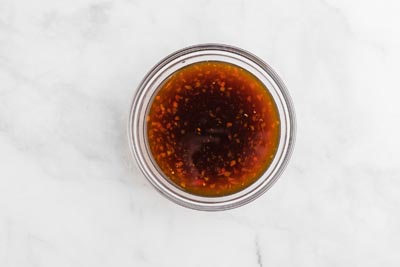
- 1/2 cup chicken broth
- 1/4 cup soy sauce
- 1 1/2 tablespoons oyster sauce
- 1 tablespoons brown sugar free sweetener
- 2 teaspoons chili paste or chili garlic sauce
Stir fry chicken
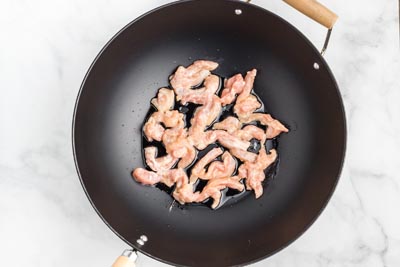
Add 2 tablespoons oil to a large skillet or wok and heat to medium high or high heat. Once oil is hot and working in batches, add chicken in a single layer to the skillet or wok. Allow chicken to sear for 20-30 seconds until golden brown on the bottom. Then flip or stir fry until all chicken is cooked through. Remove chicken, place in a bowl and set aside. Repeat with remaining chicken. Leave behind any brown bits or remaining sauce from the velveting process in the skillet.
Stir fry vegetables
Add another tablespoon of oil to the same skillet. Add broccoli, celery and bell pepper. Cook until slightly softened. Stir in jalapeno and garlic and let cook for 30 seconds.

- 1 1/2 cups broccoli florets
- 4 celery stalks, sliced
- 1 red bell pepper, diced
- 1 green jalapeno, finely diced
- 4 cloves garlic, minced
Finish with Hunan sauce
Lower the heat to medium, return cooked chicken back to the skillet and pour in sauce. Scrape the bottom of the pan to remove any of the brown bits and stir them into the sauce. Let cook until sauce is slightly thickened.

Nutrition disclaimer
The nutrition information provided is an estimate and is for informational purposes only. I am a Doctor of Pharmacy (Pharm.D.); however, this content is not intended to be a substitute for professional medical advice, diagnosis, or treatment. Always consult your physician or other qualified health provider before making any lifestyle changes or beginning a new nutrition program.
Your Macros. Your Recipes. Calculated in 60 Seconds.
Get personalized keto macros and instantly see which recipes fit your targets. No more guessing what to eat.
Get My Macros + Recipes →Frequently Asked Questions
What does Hunan chicken taste like?
I'd describe it as bold and directly spicy, not a creeping heat but one you feel right away from the chili paste and fresh jalapeno. The sauce is savory from soy sauce and oyster sauce, with a slight sweetness from the brown sugar free sweetener that rounds everything out. Because I velvet the chicken, every piece has this silky texture that absorbs the sauce without getting tough or dry.
What's the difference between Hunan and Szechuan chicken?
I've made both, and the biggest difference is where the heat comes from. In my version, the spice is direct, from fresh chili peppers and chili paste that give you a front-of-mouth heat. Szechuan chicken uses Szechuan peppercorns and dried chiles, which create a tingly, almost numbing sensation that's completely different. The sauce profiles don't overlap much either. This one leans savory and slightly sweet, while Szechuan dishes have that distinctive numbing-spice combination.
How do I adjust the spice level?
I've played with this a lot. For milder heat, skip the jalapeno and use just 1 teaspoon of chili paste. For medium, keep the jalapeno but seed it first. For serious heat, I leave the seeds in the jalapeno and bump the chili paste up to a full tablespoon, sometimes adding crushed red pepper flakes on top. Start with less chili paste and taste the sauce before adding the chicken back in. You can always add more heat, but you can't take it away.
Can I use shrimp or pork instead of chicken?
I've tested both. Shrimp works well, but skip the velveting and just season with soy sauce and a pinch of cornstarch. Cook the shrimp fast over high heat, about 2 minutes per side, so they don't turn rubbery. For pork, use thinly sliced pork loin or tenderloin and velvet it the same way as the chicken. If you go the shrimp route, my creamy garlic paprika shrimp uses a similar quick-cook technique.
Is this recipe gluten-free?
Not as written, because soy sauce and oyster sauce both contain wheat. When I make it for friends who are gluten-free, I swap in coconut aminos for the soy sauce and a gluten-free oyster sauce (Lee Kum Kee makes one). The flavor shifts slightly since coconut aminos are a bit sweeter, so I cut the sweetener in half. Everything else stays the same.
Can I make this ahead for meal prep?
This is one of my go-to meal prep recipes. I make a double batch on Sundays and portion it into containers for the week. The sauce actually gets more flavorful after a day in the fridge as everything melds together. Reheat in a skillet (not the microwave) and add a splash of broth to bring the sauce back. I don't recommend freezing it though, since the broccoli and celery don't hold up after thawing.
What can I substitute for oyster sauce?
I use oyster sauce because it adds a deep umami sweetness you can't get from soy sauce alone. If you're avoiding it for a shellfish allergy or you just don't have any, my best substitute is a mix of soy sauce and a small spoonful of hoisin sauce. It's not identical, but it covers the sweet-savory base. Fish sauce mixed with a little sweetener is another option I've tried, but use half the amount because fish sauce is much saltier.


Made this on Tuesday and my husband (who picks around broccoli in every stir fry I've ever made) ate every single floret without a word. Something about the way the sauce soaks in, I think, because that has never happened in 12 years.
Made this twice and the chicken comes out fine both times, good but not that silky texture everyone describes with velveting. I'm doing the cornstarch and oil step like it says, but something in the execution is off. What does it actually look like when the meat has absorbed the liquid? I feel like I'm just coating the outside. Is it rest time after mixing, or should I be mixing more aggressively? The sauce is already dialed in, just need the chicken to catch up.
When it's actually absorbed, the chicken looks almost sticky, not wet. The liquid disappears into the meat and there's no pooling at the bottom of the bowl. I massage it for a full minute then let it sit 15 minutes before it hits the pan. Rest time does more than aggressive mixing.