Creamy Keto Caesar Salad Dressing

Published August 11, 2019 • Updated March 11, 2026
This post may contain affiliate links. See my disclosure policy.
I make this keto caesar salad dressing from scratch with egg yolk, anchovy, garlic, parmesan, and lemon. It takes about 5 minutes and the flavor is sharper and more savory than anything from a bottle.
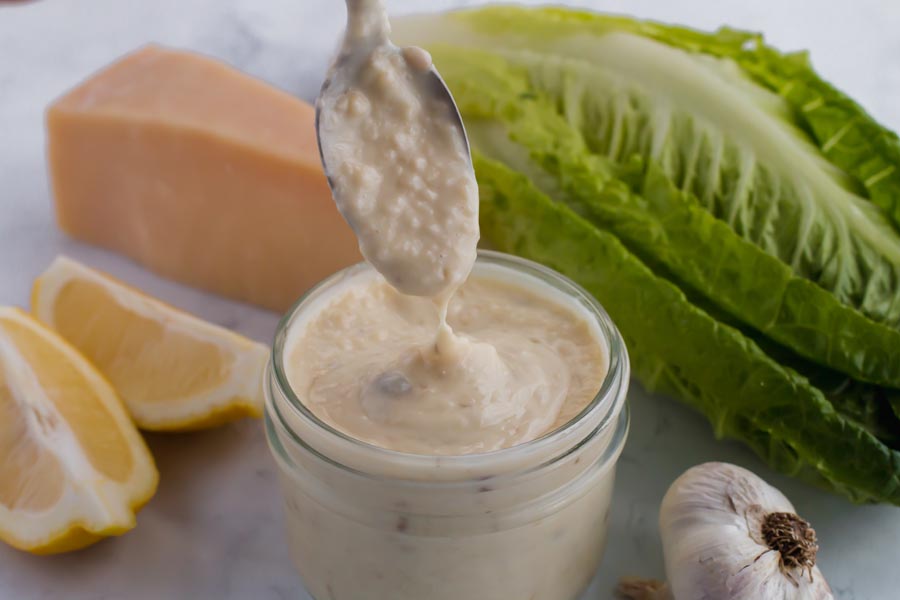
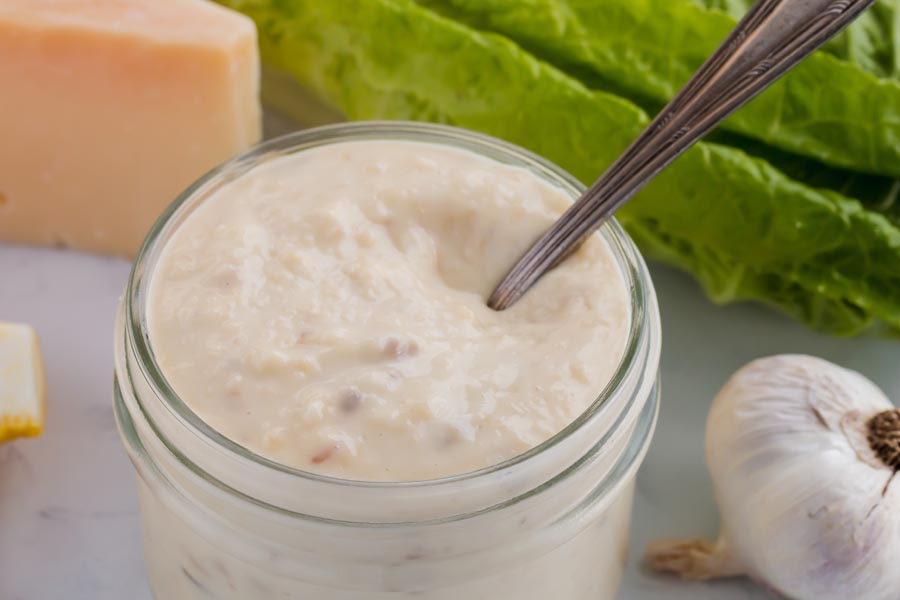
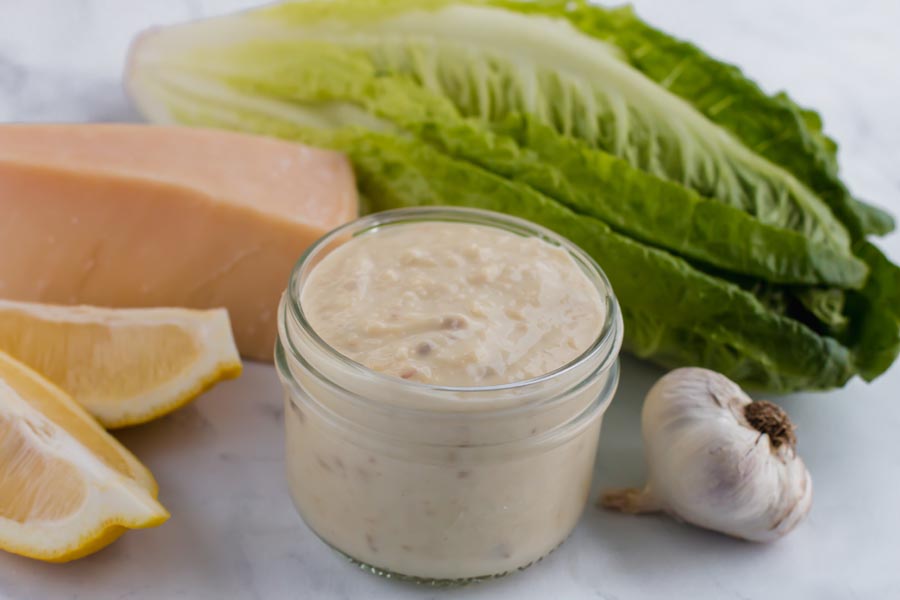
Most caesar dressings at the store are loaded with soybean oil, added sugar, and preservatives. I wanted a version I could make in my own kitchen with ingredients I actually trust, and this keto caesar dressing is what I landed on after a lot of testing.
The base is simple: egg yolk whisked with garlic, then slowly drizzled with avocado oil until it emulsifies into a thick, creamy base. You’re basically making a fresh mayo from scratch, which takes about 5 minutes once you get the rhythm. The key is adding the oil very slowly at first. If you dump it in too fast, the whole thing breaks and you end up with a greasy mess. I’ve done that more times than I want to admit.
What makes this caesar salad dressing different from the other versions I’ve tried is the anchovy ratio. Too few fillets and the dressing tastes flat. Too many and it’s the only thing you taste. Eight fillets with four tablespoons of lemon juice is where it finally clicked for me. The lemon cuts through the richness and the anchovy provides pure umami without any fishiness. Reader Heidi put it perfectly: she’d tried six different recipes over the years and said this anchovy-to-lemon balance is what finally gets it right.
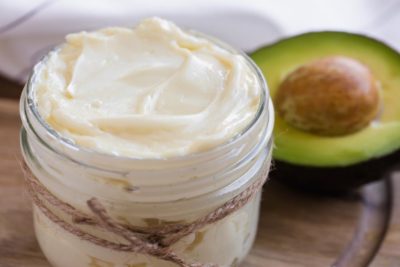
I use avocado oil instead of olive oil here, and that’s a deliberate choice. Olive oil can taste bitter when you whisk it aggressively because the polyphenols break down, but avocado oil sits cleaner on the palate and lets the parmesan and anchovy do their thing. If you like making your own condiments, my avocado mayo uses the same oil for the same reason.
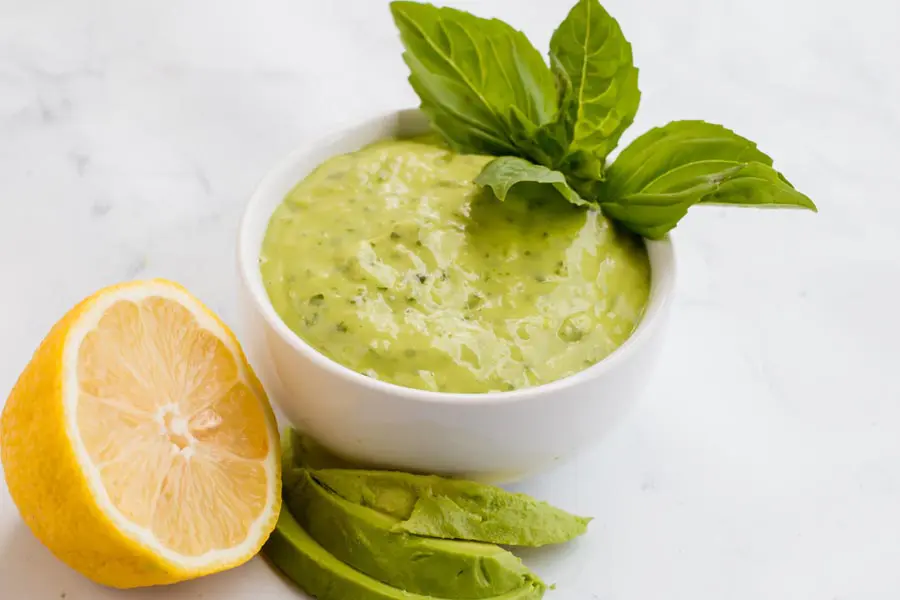
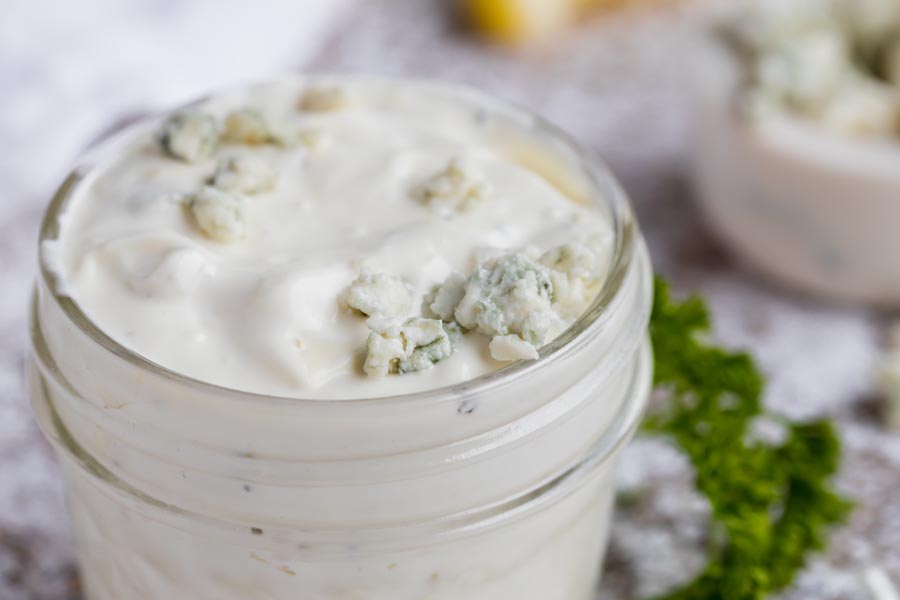
This works on more than just romaine. I toss it with kale for a heartier salad, drizzle it over grilled chicken, or use it as a dip for raw vegetables. If you’re building out your keto dressing rotation, my ranch dressing, blue cheese dressing, and green goddess dressing are all worth having in the fridge alongside this one.
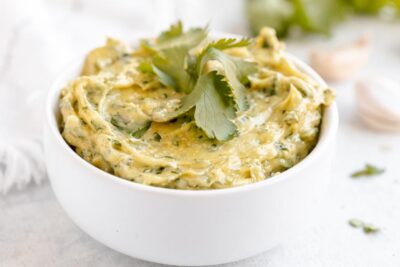
A blender works better than whisking by hand. Reader Michelle threw everything in a blender and it came together in under a minute, way smoother than hand-whisking. I tried it myself and she’s right. The blender emulsifies the yolk and oil more consistently. Either method works, but if you have a blender or immersion blender, use it. I usually make a double batch on Sunday so I have it ready for salads all week. My cilantro aioli and chimichurri sauce are two more I keep on rotation.
How to Make Caesar Dressing from Scratch
The trick to this homemade caesar dressing is patience with the oil. I start with a room temperature egg yolk and minced garlic in a bowl (or blender), whisk them together until they thicken slightly, then drizzle in avocado oil a tiny bit at a time. Room temperature matters. A cold yolk straight from the fridge won’t emulsify properly, and I learned that the hard way through too many failed batches. Pull the egg out about 10 minutes before you start. Once you see the mixture start to thicken, you can pour a little faster, but if you rush the oil at the beginning, the emulsion breaks and you get a thin, oily mess instead of that thick, creamy consistency you want.
Once the base is emulsified, I add the lemon juice, grated parmesan, minced anchovy, apple cider vinegar, and coconut aminos. I use coconut aminos instead of Worcestershire sauce (which most other recipes call for) because it adds a similar savory depth without the added sugar. If the dressing is too thick, a teaspoon of water loosens it up without thinning the flavor. If it’s too thin, you probably added the oil too fast. Start over with a fresh yolk and slowly whisk the broken batch into it. That rescue trick has saved me more than once.
This is one of the easier keto condiments to make from scratch, and once you get the emulsion right, you won’t go back to bottled.

Explore 683+ keto recipe videos with step-by-step instructions, tips, and tricks to make keto easy.
Ingredients
 egg yolk
 -
2 cloves garlic, minced
-
¾ cup avocado oil
-
4 tablespoons lemon juice
-
3 ounces parmesan cheese, grated
-
8 anchovy fillets, minced
-
1 teaspoon apple cider vinegar
-
½ teaspoon coconut aminos
-
salt and pepper to taste
Step by Step Instructions
Step by Step Instructions
Get a small bowl
Add yolk and minced garlic to a small bowl and whisk until thickened and combined.

Drizzle the oil
Very slowly drizzle in avocado oil, whisking at the same time until mixture thickens and becomes a mayonnaise like consistency.

Whisk it
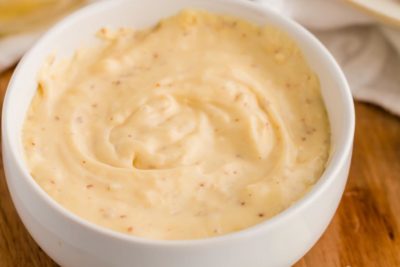
Add in remaining ingredients: lemon juice, parmesan cheese, anchovy, apple cider vinegar, and coconut aminos. Whisk until combined.


Nutrition disclaimer
The nutrition information provided is an estimate and is for informational purposes only. I am a Doctor of Pharmacy (Pharm.D.); however, this content is not intended to be a substitute for professional medical advice, diagnosis, or treatment. Always consult your physician or other qualified health provider before making any lifestyle changes or beginning a new nutrition program.
Your Macros. Your Recipes. Calculated in 60 Seconds.
Get personalized keto macros and instantly see which recipes fit your targets. No more guessing what to eat.
Get My Macros + Recipes →Frequently Asked Questions
Can I use a blender instead of whisking?
I actually prefer the blender method now. I used to whisk by hand every time, but after a reader mentioned she blended everything in under a minute, I tried it and the texture was noticeably smoother. The blender emulsifies the egg yolk and oil more evenly than I can by hand. An immersion blender works too. Just add the yolk, garlic, and oil first, blend until thick, then add the remaining ingredients.
Why use avocado oil instead of olive oil?
I tested this with both. Olive oil can turn bitter when you whisk or blend it aggressively because the polyphenols break down. Avocado oil stays neutral and lets the parmesan and anchovy flavors come through clean. It also has a higher smoke point, which doesn't matter here but means I keep it around for cooking anyway. The finished dressing just tastes cleaner.
Can I use mayonnaise instead of egg yolk?
I've done this when I'm in a rush and it works. Mayo is already an emulsion, so you skip the slow-drizzle step entirely. Use about 1/2 cup of mayo in place of the egg yolk and oil, then add the rest of the ingredients as written. The texture is slightly different (a little thicker, less silky) but the flavor still comes through.
Can I substitute the anchovies in the dressing?
I'd encourage you to try them here first because they don't taste fishy at all in the finished dressing. They dissolve into pure savory flavor. If you really can't do anchovies, capers give you a similar briny punch. I've also used Worcestershire sauce, though it changes the flavor profile and adds some sugar. Start with a teaspoon and adjust from there.
How long does this caesar dressing keep in the fridge?
I get about a week out of mine stored in a mason jar or airtight container in the fridge. It thickens up as it sits, so I give it a good stir before using. The flavors actually develop and get better after a day or two, which is why I usually make a double batch on Sunday for the whole week.
Is there a dairy-free option for the parmesan?
I've tried two approaches here. Nutritional yeast is my go-to, about 2 tablespoons. You don't get the exact same sharpness, but it adds that savory, cheesy quality the dressing needs. I've also tested it with soaked cashews blended into the base for a creamier low carb version that's fully dairy-free. The cashew route changes the texture (richer, thicker) but the anchovy and lemon still carry the flavor.
What else can I use this dressing on?
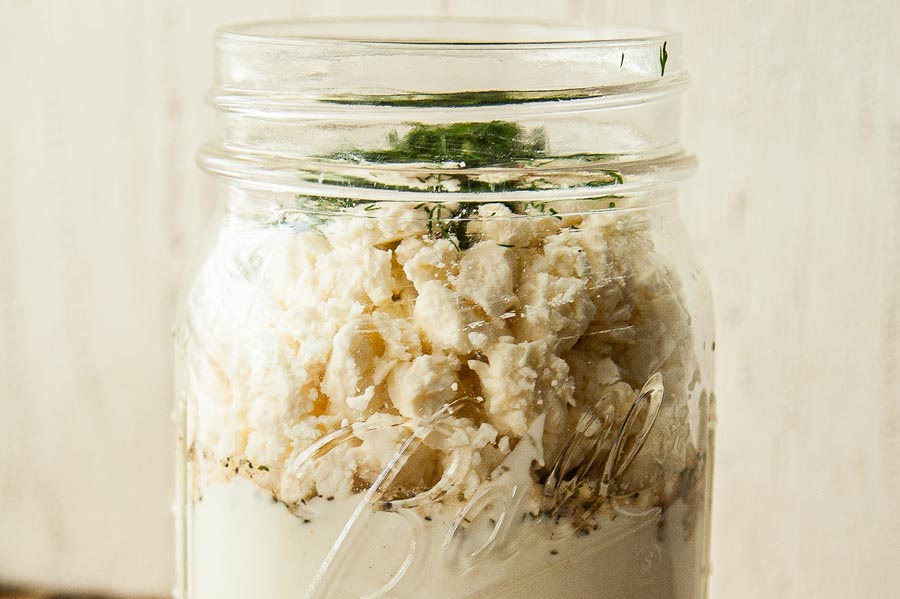
I use this on way more than just romaine. It's my go-to for kale salads (the fat helps soften the leaves), and I drizzle it over grilled chicken or use it as a dipping sauce for raw vegetables. I've even used it as a marinade for chicken thighs before grilling. If you're looking for another low carb dressing to rotate with this one, my feta dressing is one I keep in the fridge too.
What do I do if my caesar dressing breaks?
I've been there, and it's almost always one of two things. Either the egg yolk was too cold (straight from the fridge) or I poured the oil too fast at the beginning. The fix: crack a fresh egg yolk into a clean bowl and slowly whisk the broken batch into it, a spoonful at a time. The fresh yolk acts as a new emulsifier and pulls everything back together. To prevent it next time, I let my egg sit out for about 10 minutes before starting and drizzle the first tablespoon of oil almost drop by drop.
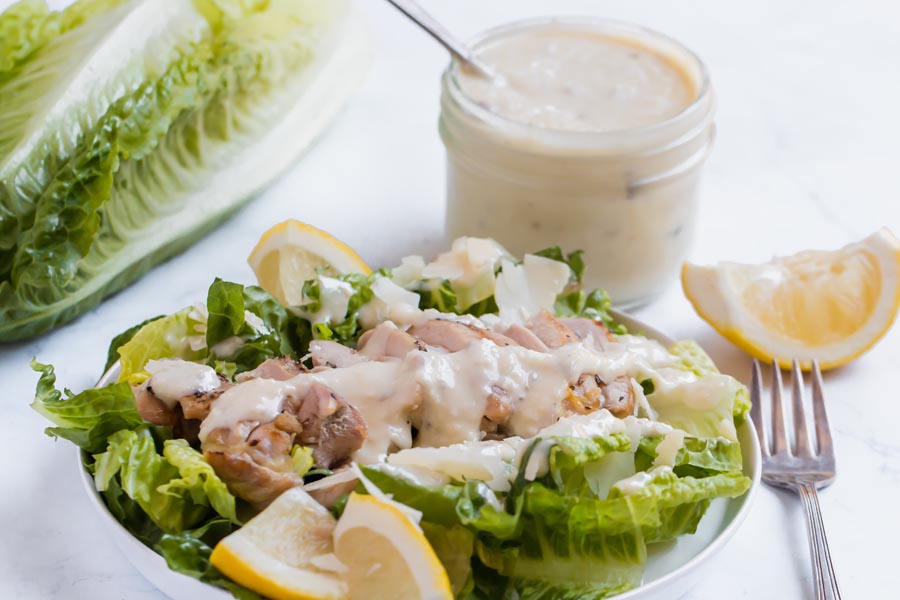
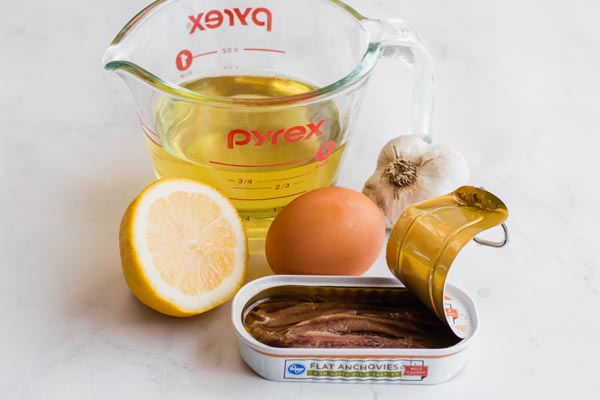 I can’t believe Caesar salad dressing is naturally low carb. That is probably why it is so delicious and I order it all the time when we go out to eat. Most of the primary ingredients that go into making a Caesar dressing are high fat and are safe to eat on a ketogenic diet. Egg yolk, oil, anchovy, parmesan, lemon juice, garlic, and vinegar are all low in carbohydrates.
The only caveat to enjoying Caesar dressing when eating out is if you are trying to avoid vegetable oils. Many restaurants probably use a neutral oil like grapeseed oil, vegetable oil, or canola oil as these are less expensive than using olive oil or avocado oil. Vegetable oils are not recommended for regular consumption as they can lead to oxidative stress in the body and long term damage to your cells. If you care about what goes into your body, ask the server if your Caesar dressing is made with olive oil or avocado oil. These are stable oils and are not stripped of antioxidants during processing.
This is the main reason we make our own salad dressing at home instead of buying bottled dressing. Unless you are buying a brand like Primal Kitchens, that uses avocado oil for the mayonnaise base, all brands of salad dressing use vegetable oils. On top of that, they just don’t taste as good as fresh, homemade salad dressing.
Once you discover how easy it is to make Caesar dressing and how good this dressing tastes, you will never go back to bottled again! I admit that I flipped over fresh Caesar dressing so hard that I resorted to dipping chopped up lettuce into my mason jar of dressing.
I can’t believe Caesar salad dressing is naturally low carb. That is probably why it is so delicious and I order it all the time when we go out to eat. Most of the primary ingredients that go into making a Caesar dressing are high fat and are safe to eat on a ketogenic diet. Egg yolk, oil, anchovy, parmesan, lemon juice, garlic, and vinegar are all low in carbohydrates.
The only caveat to enjoying Caesar dressing when eating out is if you are trying to avoid vegetable oils. Many restaurants probably use a neutral oil like grapeseed oil, vegetable oil, or canola oil as these are less expensive than using olive oil or avocado oil. Vegetable oils are not recommended for regular consumption as they can lead to oxidative stress in the body and long term damage to your cells. If you care about what goes into your body, ask the server if your Caesar dressing is made with olive oil or avocado oil. These are stable oils and are not stripped of antioxidants during processing.
This is the main reason we make our own salad dressing at home instead of buying bottled dressing. Unless you are buying a brand like Primal Kitchens, that uses avocado oil for the mayonnaise base, all brands of salad dressing use vegetable oils. On top of that, they just don’t taste as good as fresh, homemade salad dressing.
Once you discover how easy it is to make Caesar dressing and how good this dressing tastes, you will never go back to bottled again! I admit that I flipped over fresh Caesar dressing so hard that I resorted to dipping chopped up lettuce into my mason jar of dressing.
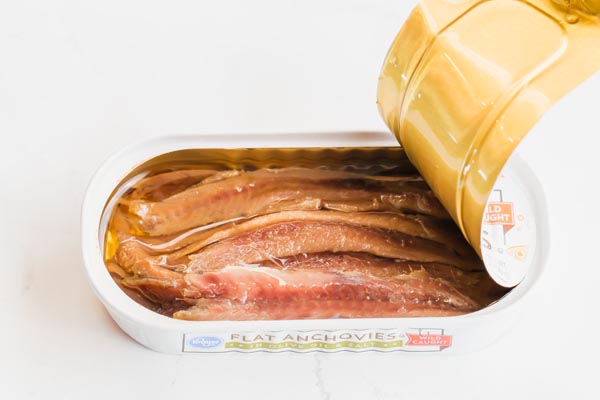 It’s true. Caesar salad dressing contains anchovy. It is a key ingredient in the dressing. Anchovies add a salty umami flavor. Umami is a rich, savory component that contributes to that craveability of some foods.
The thought of fish in a salad dressing can be off putting, but these little fish fillets are minced up and mashed into a paste, so you will barely notice they are there.
If you are still not a fan of anchovies, you can omit them. Although it won’t be the same, the Caesar dressing will still be delicious. Since anchovies do contribute to a salty flavor of the dressing, you will probably need to add a few dashes of salt to replace the anchovy.
It’s true. Caesar salad dressing contains anchovy. It is a key ingredient in the dressing. Anchovies add a salty umami flavor. Umami is a rich, savory component that contributes to that craveability of some foods.
The thought of fish in a salad dressing can be off putting, but these little fish fillets are minced up and mashed into a paste, so you will barely notice they are there.
If you are still not a fan of anchovies, you can omit them. Although it won’t be the same, the Caesar dressing will still be delicious. Since anchovies do contribute to a salty flavor of the dressing, you will probably need to add a few dashes of salt to replace the anchovy.
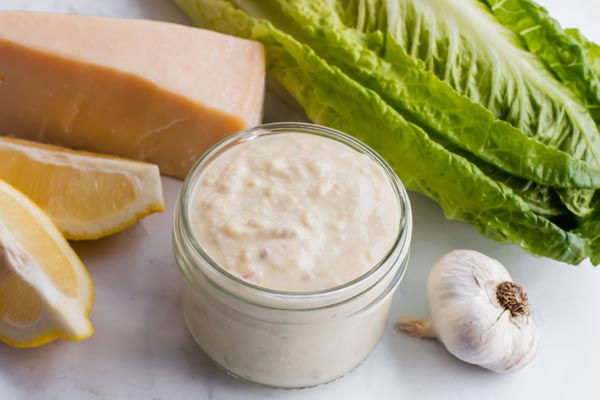 The parmesan cheese in Caesar dressing is best when it is freshly grated. This will provide the richest umami flavor. Parmesan cheese is considered a hard cheese because it has a lower moisture content due to its long aging process. The parmesan in Caesar dressing adds a salty flavor as well.
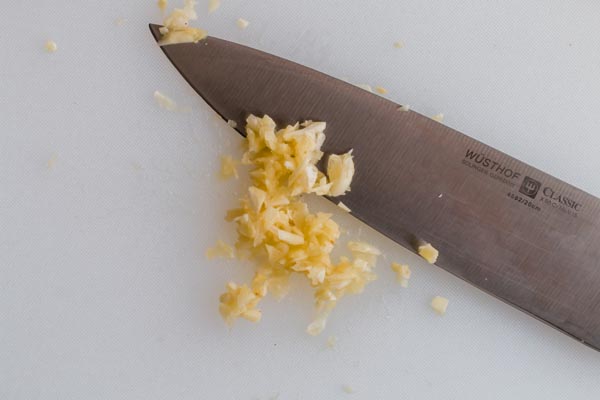 No Caesar dressing would be complete without garlic. Not only is it a standout flavor in the dressing, but the garlic will help keep the emulsion together when forming the mayonnaise base from the egg yolk and oil.
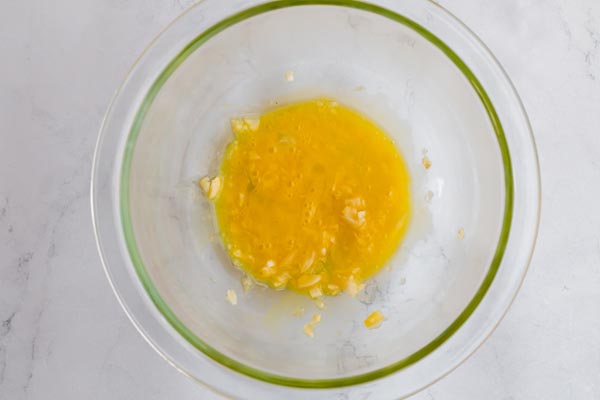 All mayonnaise based salad dressings start with an egg yolk. The fat and water in the yolk serve as the base for the emulsion. An emulsion is a uniform mixture of two substances that do not mix under normal circumstances. The best example in most food science is oil and water. If you agitate them enough and introduce a substance to help stabilize the mixture (the emulsifier), you will get an emulsion. The protein in the egg yolk is the emulsifier that stabilizes the emulsion.
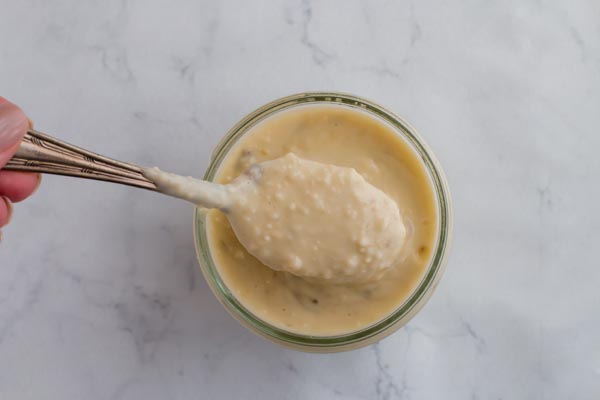 I prefer to mix Caesar dressing by hand using a whisk and a bowl. This offers the most control because the emulsion can be very delicate when you first introduce the oil to the yolk and garlic. If you add the oil too quickly or agitate the mixture too vigorously, the emulsion can break.
Others have tremendous success using a food processor or immersion blender to make salad dressing. Either mixing technique will work. The most important point to remember is to add the oil in slowly at the start. Once the mixture resembles mayonnaise, you can add the oil in quicker.
I prefer to mix Caesar dressing by hand using a whisk and a bowl. This offers the most control because the emulsion can be very delicate when you first introduce the oil to the yolk and garlic. If you add the oil too quickly or agitate the mixture too vigorously, the emulsion can break.
Others have tremendous success using a food processor or immersion blender to make salad dressing. Either mixing technique will work. The most important point to remember is to add the oil in slowly at the start. Once the mixture resembles mayonnaise, you can add the oil in quicker.


I've made a lot of scratch caesar dressings and most of them end up flat because the recipe dials back the anchovy. This one doesn't, and the depth you get from a full 8 fillets is not something Primal Kitchen is ever going to replicate.
Caesar was the one dressing I stopped thinking about when I went keto. Pulled this up last week and the anchovy base is exactly what I remembered, maybe better. Didn't expect to feel that way about something from a bowl and a whisk.
Room temp egg yolk, that's the whole trick. Cold from the fridge and the avocado oil breaks every single time, set it out for 10 minutes and it comes together in under a minute of whisking. Took me too many failed batches to figure that out.
Made this twice and it breaks around halfway through the oil both times. Do I need to go slower at the start, or does whisking the yolk and garlic longer before the oil actually matter?
Starting speed is the bigger issue. The first tablespoon needs to go in almost drop by drop. Once you see it start to thicken you can loosen up, but breaking halfway through usually means the initial pour was too fast.
Threw everything in the blender instead of whisking and it came together in under a minute, so much smoother than I expected. The anchovy just disappears into this rich savory flavor I can't stop thinking about.
Blender works better for this one anyway. Emulsifies the yolk and oil more consistently than whisking by hand. And yeah, that anchovy thing is the whole point - pure umami, no fishiness.
I've tried probably six different caesar dressings over the years and the anchovy-to-lemon ratio here is what finally gets it right. Most recipes either taste flat or overwhelmingly fishy, but this one hits that sharp, savory balance I've been chasing. The avocado oil also makes it feel much cleaner than versions built on canola.
The anchovy ratio took me a while to land on. Too few and it's flat, too many and it's the only thing you taste. Eight fillets with that much lemon juice is where it finally clicked for me. And yeah, avocado oil just sits cleaner on the palate.