Keto Shortbread Cookies

Published February 16, 2020 • Updated February 26, 2026
This post may contain affiliate links. See my disclosure policy.
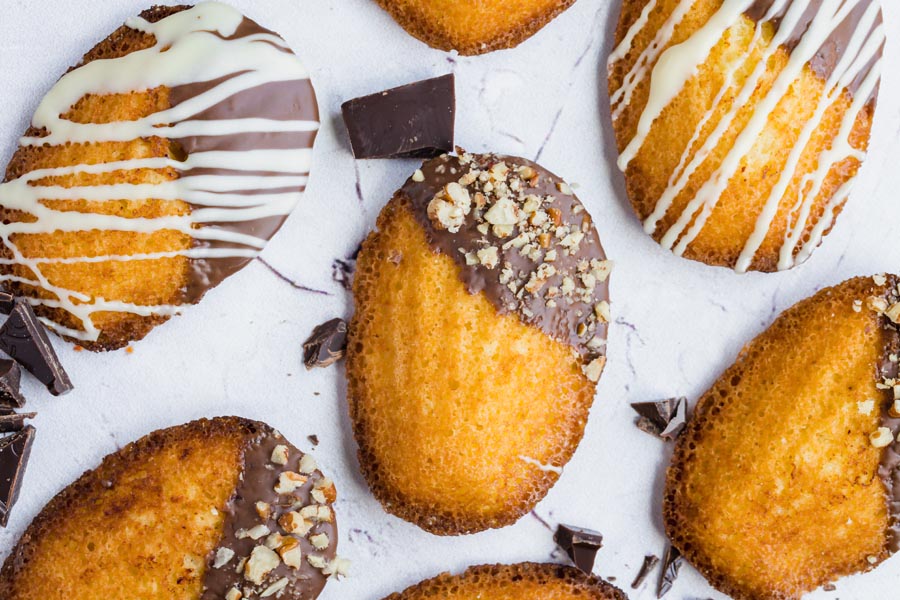
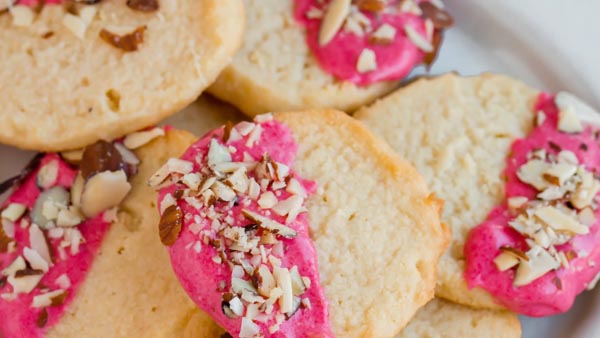
Tender, buttery keto shortbread cookies I make as my base for everything: cutouts, thumbprints, chocolate-dipped rounds. The almond and coconut flour blend gives them a real snap once they cool.
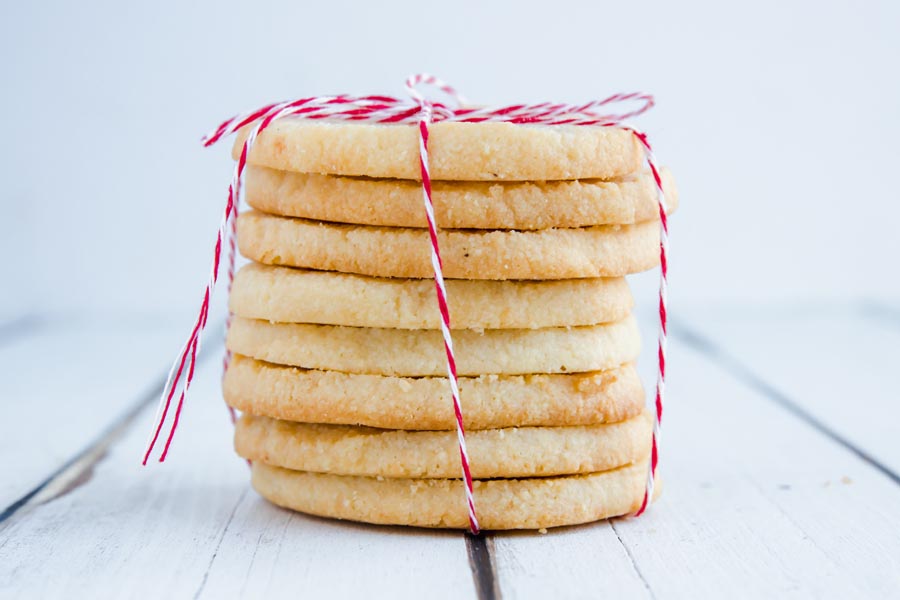
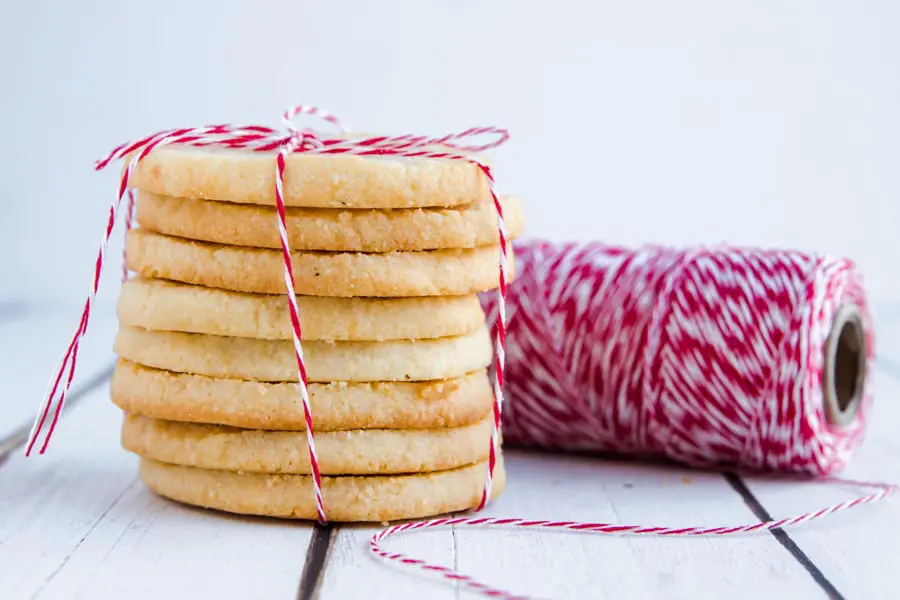
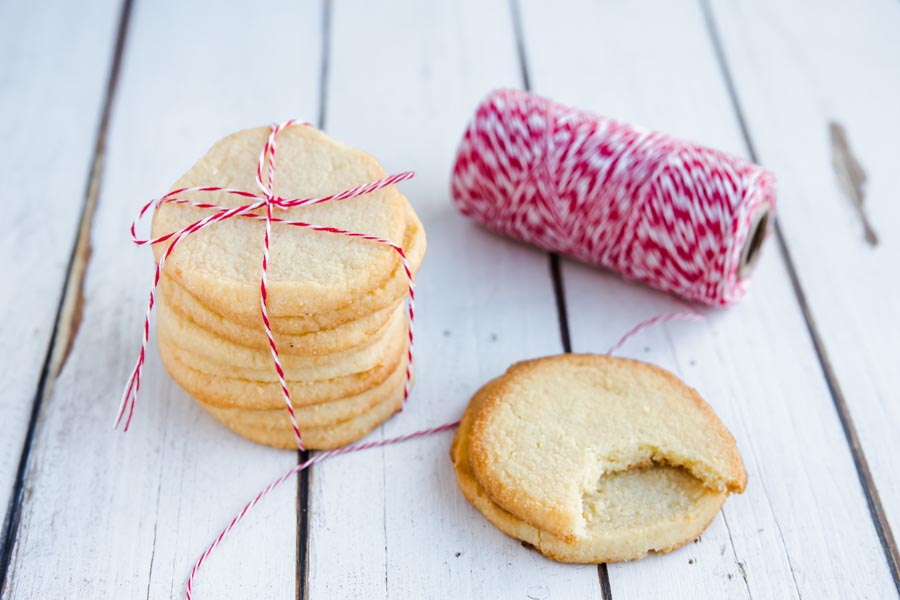
Low Carb Shortbread Cookies Recipe
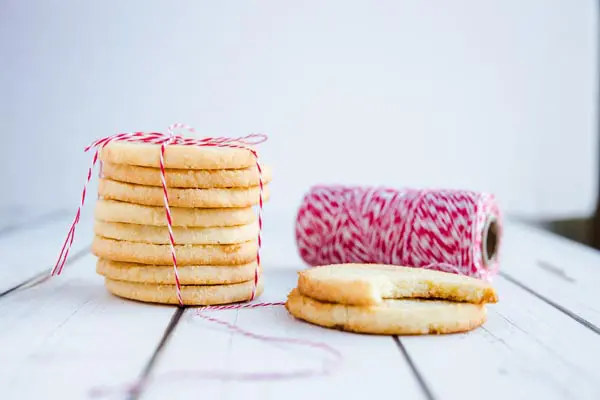
I’ve been refining this recipe for years, and the biggest lesson was that traditional shortbread ratios don’t translate directly to almond flour. Standard shortbread is three ingredients: butter, sugar, flour. Simple. But swap in almond flour alone and you get a greasy mess that spreads flat. The fix is blending almond flour with coconut flour. The coconut flour absorbs the extra moisture and gives you a dough that holds its shape, whether you’re slicing rounds or cutting shapes. I went through at least four versions before landing on this ratio. Too much coconut flour and the cookies turn chalky and dry. Too little and they flatten.
If you’ve made my keto sugar cookies, you’ll notice these are different. No eggs, no leavening. Just butter, monk fruit, the flour blend, and vanilla. That higher butter-to-flour ratio is what creates the tender, melt-on-your-tongue crumb that real shortbread is known for. I adjusted the proportions specifically for low-carb baking because a straight 1:1 swap does not work (I tried it, more than once, and ended up with greasy puddles on the pan).
The bake window is tight: 6-8 minutes at 350 degrees until the edges just barely start to brown. Pull them at that point even though the centers look soft. They firm up completely as they cool on the pan, and once they set, they snap cleanly when you break one. I’ve learned to trust that timing because they keep setting for another few minutes on the hot tray. A reader mentioned they snap exactly like real shortbread, and that is exactly the texture I was after. If your oven runs hot, drop it 25 degrees and check at the 5-minute mark.
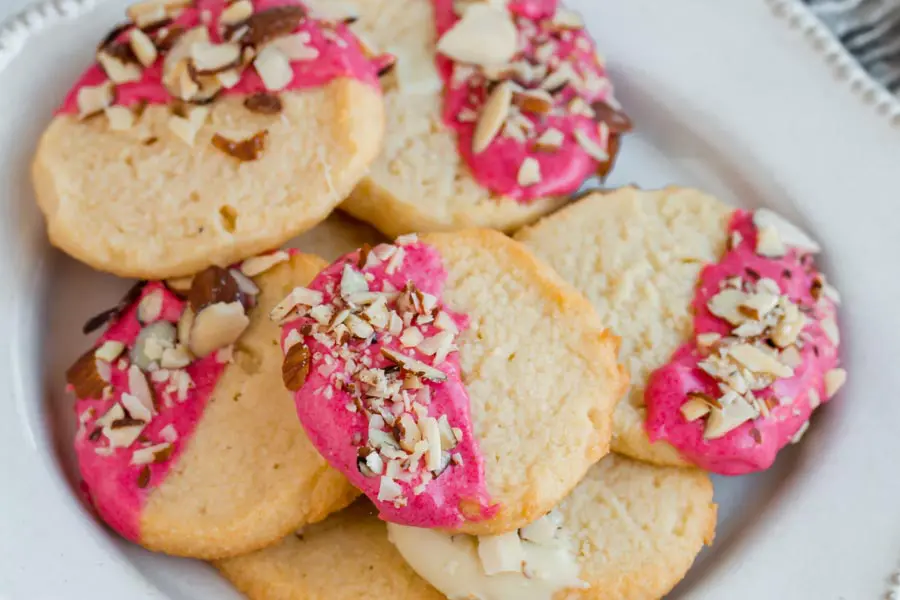
What keeps me coming back to this dough is how many directions it goes. I use it for my keto frosted animal cookies, for holiday tree cutouts, and as a base for layered bars in an 8×8 pan. I’ve swapped in almond extract with cherry, rolled the edges in crushed macadamias, and dipped them in melted chocolate. Slice the log into rounds, press thumbprints, or roll and cut any shape. Every variation starts with this same base.
At just 2g net carbs per cookie, I keep a batch going most weeks. The dough freezes well (details below), so I often double the recipe and pull logs from the freezer when I want fresh cookies without the full prep. If you like keto cookies that have real texture and snap, my almond flour cookies are worth trying too.

Explore 683+ keto recipe videos with step-by-step instructions, tips, and tricks to make keto easy.
Ingredients
 1 1/2 cup blanched almond flour
 -
1/4 cup coconut flour
-
1/4 teaspoon salt
-
3/4 cup unsalted butter, softened
-
1/2 cup monk fruit
-
1 teaspoon vanilla
Step by Step Instructions
Step by Step Instructions
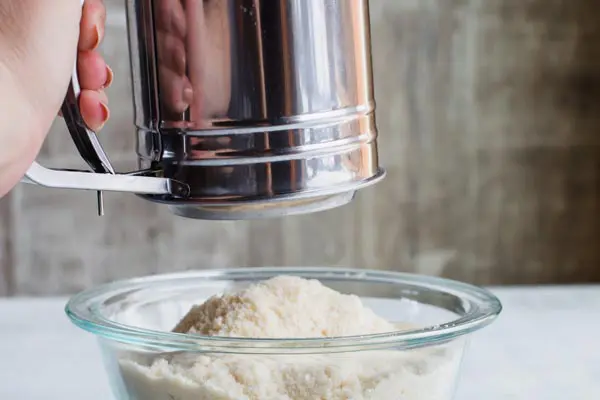
Sift dry ingredients
Sift together almond flour, coconut flour, and salt. Set aside. Do not skip this step as it creates a fine, delicate cookie texture.

Cream butter and sweetener
In a medium bowl, cream together butter, monkfruit and vanilla extract.


Refrigerate
Move cookie dough to a sheet of plastic wrap. Mold into a cylinder shape until dough is 1 1/2 inches in diameter and cover with plastic wrap. Refrigerate for 30 minutes or until stiff. Okay to store overnight at this point or in the freezer. If you want to make cutout cookies, press dough into a disc in between two pieces of parchment paper and refrigerate.

Bake
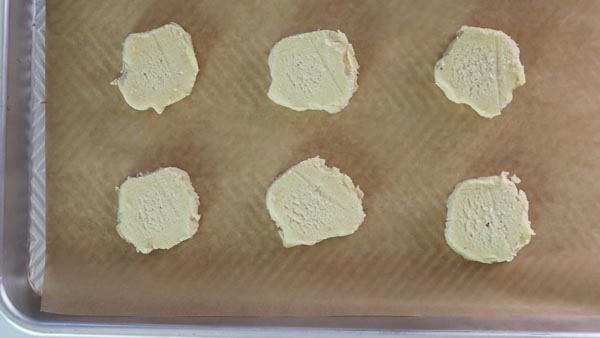
Preheat the oven to 350 degrees. Slice off 1/4 inch slices of cookies and place about 1 inch apart on a parchment lined baking tray or baking sheet. Put back in refrigerator for 10 minutes if cookies start to get soft. Bake at 350 degrees for 6-8 minutes or until the edges begin to brown slightly. If making cookie cutouts, roll dough in between two pieces of parchment paper until 1/4 inch thick and cut into shapes. Refrigerate cut out dough for 10 minutes before baking.


Nutrition disclaimer
The nutrition information provided is an estimate and is for informational purposes only. I am a Doctor of Pharmacy (Pharm.D.); however, this content is not intended to be a substitute for professional medical advice, diagnosis, or treatment. Always consult your physician or other qualified health provider before making any lifestyle changes or beginning a new nutrition program.
Your Macros. Your Recipes. Calculated in 60 Seconds.
Get personalized keto macros and instantly see which recipes fit your targets. No more guessing what to eat.
Get My Macros + Recipes →Frequently Asked Questions
Can I use cookie cutters with this dough?
I do this all the time. The dough is delicate, so the key is keeping it cold. Roll it between two pieces of parchment paper, refrigerate until stiff, then cut your shapes. If it softens while you're working, slide the whole parchment sheet back into the fridge for 10 minutes. I use this exact dough for my frosted animal cookies and holiday tree shapes.
Is it okay to take these out of the oven when they still look soft?
Yes, and I actually pull mine when they still look slightly underdone every single time. They continue firming up on the hot pan as they cool. If you wait until they look done in the oven, they'll be overdone once they set. I aim for edges that are just barely starting to turn golden, and the centers still look a little pale. Trust the carryover.
Can I substitute allulose for monk fruit in this recipe?
I've tested both, and allulose works well here. The main difference is sweetness: allulose is not as sweet as a monk fruit blend, so I use about 2/3 cup allulose in place of the 1/2 cup monk fruit. The other thing to watch is browning. Allulose browns faster, so I check my cookies a minute or two earlier than I normally would. Same oven temp, just a shorter window.
How thick should I slice the dough for the best texture?
I always go with 1/4 inch. That's the sweet spot I've landed on after testing different thicknesses. Any thicker and the centers stay soft too long, which makes them fragile. Any thinner and they overbake and taste dry. I kept a ruler nearby for the first few batches until I got a feel for the right thickness by sight. Consistent slicing matters more than you'd think with these.
Can I bake this dough in an 8x8 pan as a base for layered desserts?
I've done this and it works great as a crust layer. Press the dough evenly into the bottom of the pan, about 1/4 inch thick, and bake at 350 degrees. It usually takes a couple extra minutes since the pan holds more heat. Pull it when the top just starts to look golden. I've used it as a base under cheesecake filling and under chocolate ganache, and it holds up well under the weight.
Can I freeze the raw dough and bake from frozen?
This is honestly what I do most of the time now. I wrap the formed log in plastic wrap, then into a freezer bag. It keeps for at least two months. When I'm ready to bake, I pull the log out, let it sit on the counter for about 5 minutes (just enough to slice without shattering), and bake as usual. The results are the same as fresh dough.
Are these cookies sugar free?
Completely. I use a monk fruit blend as my sweetener, and there is no sugar of any kind in the recipe. The cookies still brown nicely at the edges and have that classic shortbread sweetness without any aftertaste. If you want to swap in a different keto sweetener, I cover allulose ratios in the FAQ above.
Why do my cookies spread even after I refrigerated the dough?
There are a few common causes. The most frequent one I see is that the dough warmed up while you were cutting or shaping. Even a few minutes on a warm counter softens it enough to spread. My rule: if the dough feels soft to the touch, it goes back in the fridge before it goes in the oven. Also check your oven temperature with a separate thermometer. If it runs low, the butter melts before the structure sets and you get spread.
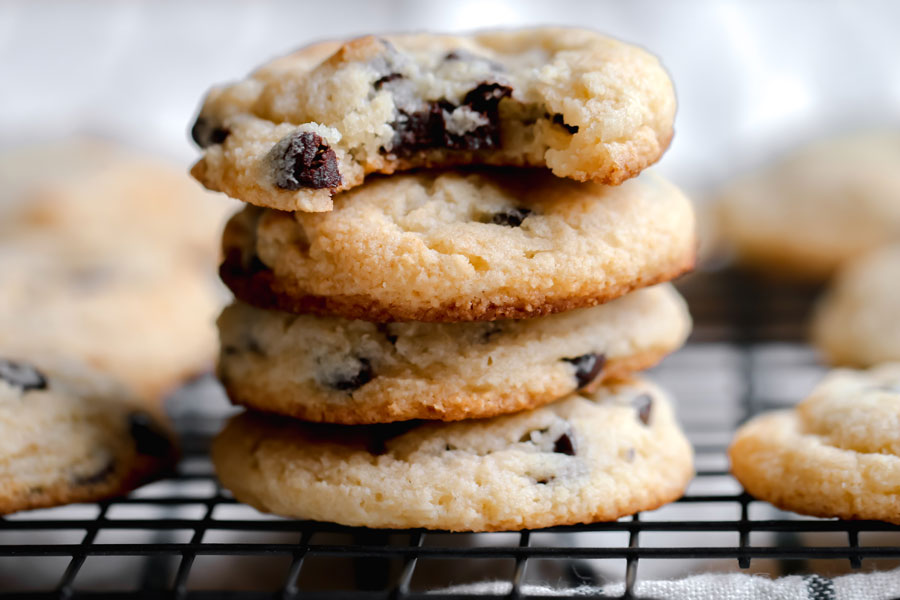
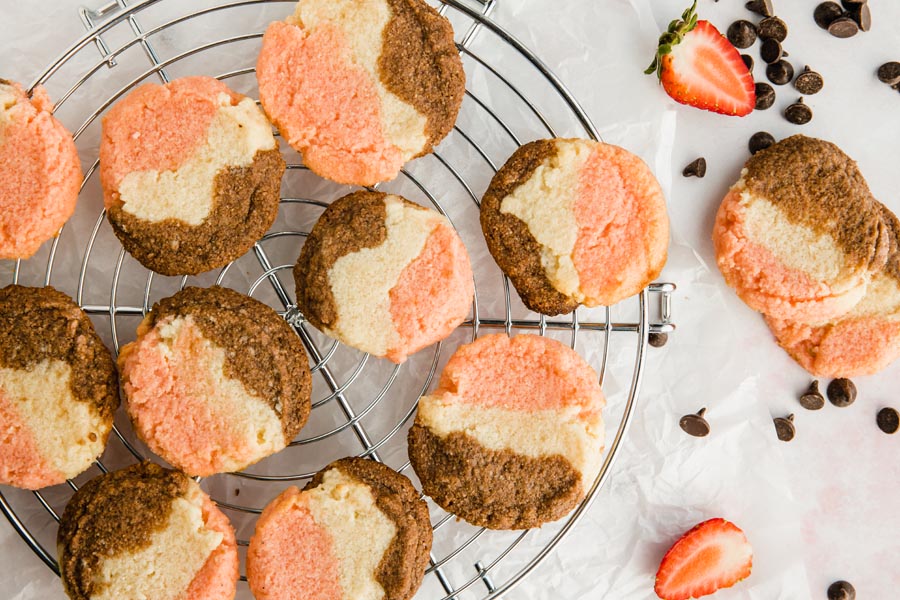
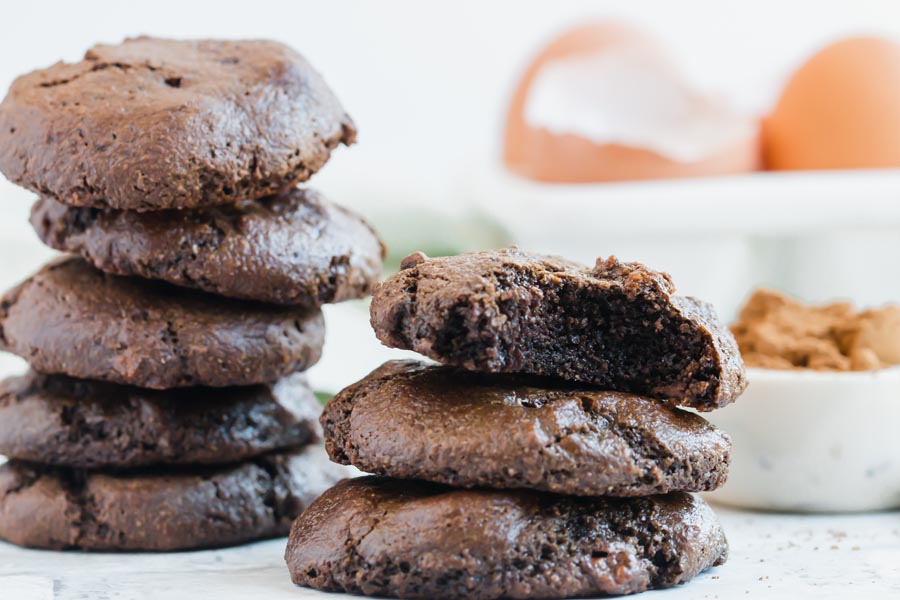



I swapped vanilla for almond extract because I ran out mid-prep and didn't want to stop. The cookies came out with this quiet marzipan undertone I wasn't expecting. The dough behaved the same through chilling and slicing, which honestly surprised me. Wasn't sure a straight swap would hold. Snap after cooling was still there. Buttery texture intact. I've made shortbread before with regular flour and was already impressed by how the almond and coconut flour blend sliced so cleanly, but the almond extract version might be what I make from now on. Same amount: one teaspoon, not more.
That marzipan note makes sense, almond flour and almond extract kind of double down on each other. The dough holds because you're not changing any liquid, just swapping one teaspoon for another. Good find.
Just pulled these out of the oven and had to come right back. I'm genuinely shocked by the texture. I've been baking for years but almond flour has always intimidated me, and rolling the dough into a log to slice was genius for getting clean edges. They snap exactly like real shortbread, which I wasn't expecting at all. Four stars because I slightly overbaked the first batch (my oven runs hot). Has anyone tried pulling them a minute or two early to keep them on the softer side before they firm up as they cool?
Yes, pull a minute or two early. They firm up a lot as they cool, so what looks underdone usually sets right. Hot oven explains a lot too, try dropping 25 degrees on your next batch.
My kids demolished these before I could put them away. Sliced at exactly 1/4 inch like the recipe says and they came out perfectly even. Doubling the batch next time.
Ha, mine disappear the same way. Good call on doubling, 1/4 inch is the sweet spot for these.
Can I bake this in a 8x8 pan to be a base for a layered pastry? If so, how long do you recommend baking for, time and temp?
Thank you! Love your recipes!
Great idea! I would just still try to bake at 350 for 6-8 minutes. Although it may take a few minutes longer. Just bake until it starts to get a little golden on top or around the edges.
With the shortbread cookies can you use allulose? If so do you use the same amount? And what is the difference between the two especially when it comes to keto baking?
Yes, you can substitute with allulose. Allulose isn't supposed to be as sweet as sugar so generally you have to use more. Try using 2/3 cup allulose in this recipe. Typically the ratio is 1 1/3 cup allulose to 1 cup monkfruit blend sweetener.
They worked out perfectly. I ended up cooking them about 12 minutes because they were so soft. Maybe I cut them too thick. I just made sure they were just beginning to brown around the edges. They seem to be a little too sweet. I think next time I'll use a little less sweetener. But they are good! Nice texture. I gave 4 stars because I wasn't sure if I could take them out of the oven while they were so soft. Nothing in the recipe said one way or the other.
Yes, that them out while they are still soft and then let cool completely before handling. Glad you liked the recipe!