

Protein Cheesecake
Published February 5, 2023 • Updated March 5, 2026
This post may contain affiliate links. See my disclosure policy.
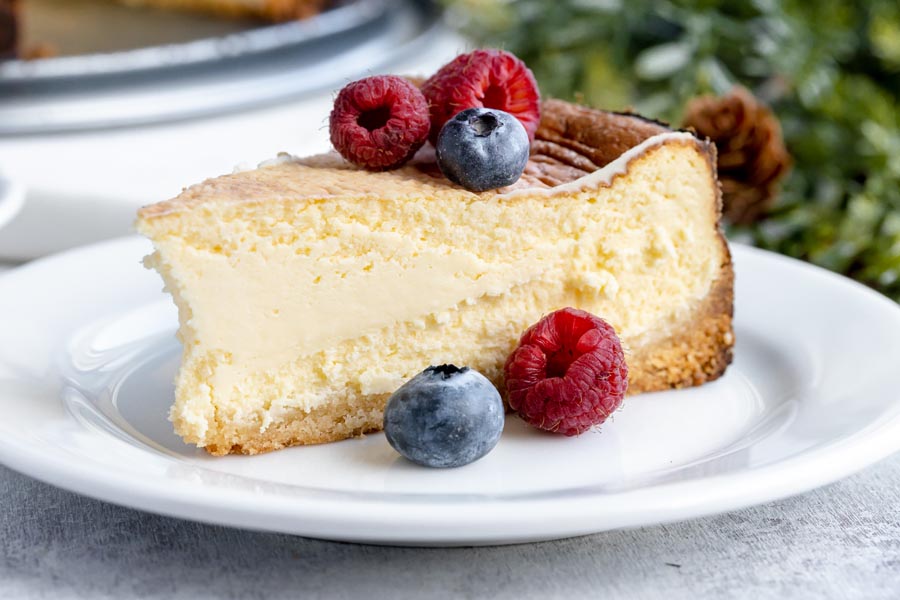
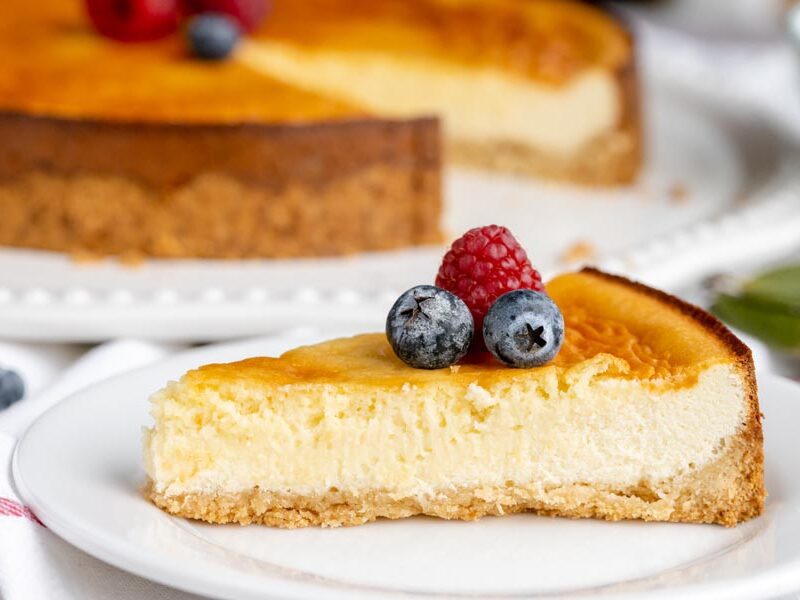
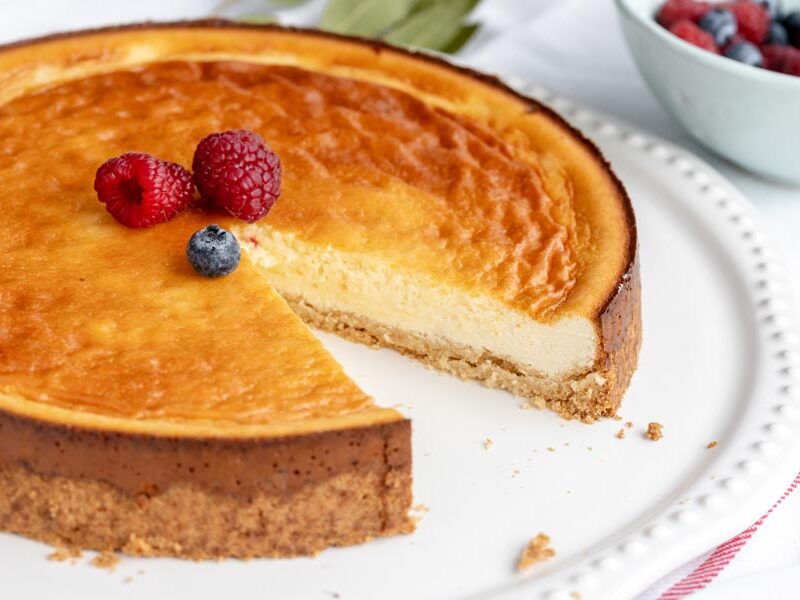
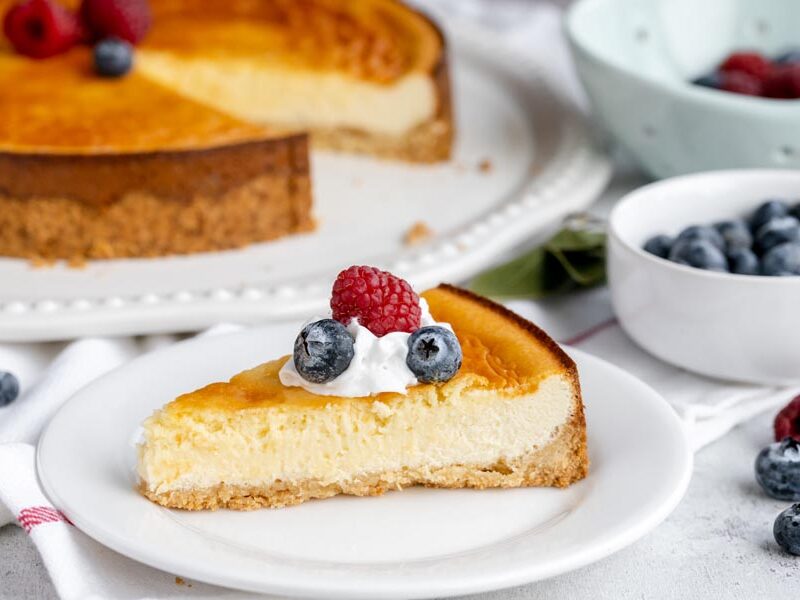
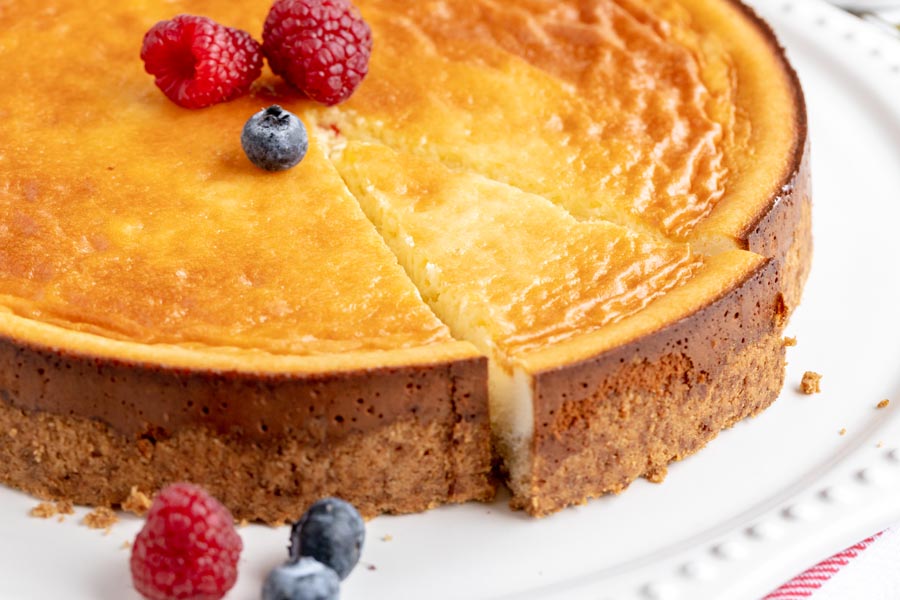
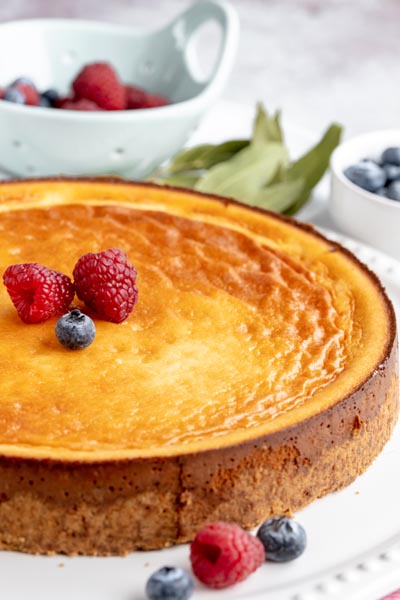
I packed over 30 grams of protein into every slice of this high protein cheesecake, and the texture is so creamy that people keep asking what bakery it came from.
I started making this because I wanted a dessert that actually moved the needle on my protein macros. Regular keto cheesecake tastes incredible, but a slice only gives you 7-10 grams of protein. I wanted 30+. So I rebuilt the filling around Greek yogurt, whey isolate, and cream cheese, and the result is a cheesecake with over 30 grams of protein per slice that still tastes like actual cheesecake.

The protein sources do triple duty here. Eggs give structure. Greek yogurt adds creaminess and a tangy depth that plain cream cheese alone can’t match. And whey isolate bumps the protein count without changing the texture (more on why I use isolate specifically in the FAQs below). I tested whey concentrate early on and the filling came out loose. Whey isolate dissolves cleaner and keeps the filling dense.
Then there’s the crust. Most keto crusts use almond flour alone, and they tend to crumble apart. I add coconut flour to the mix, and that’s what gives it a buttery snap that people mistake for a cookie crust. One reader brought this to a dinner party and two guests asked what bakery she ordered it from before she told them the macros. That’s the reaction I was going for.
The whole recipe is low carb and keto friendly. I use sugar-free sweetener in place of regular sugar (most measure cup for cup), and the almond flour crust keeps it gluten-free. If you want even fewer calories, skip the crust entirely. I have the full crustless macros below.
If you’re on a high protein kick, I have a few other recipes in the same lane. My protein pudding is a good weeknight option, and mini keto cheesecake bites work when you want portion control built in.
How to make a protein cheesecake
- Make the crust – Pulse almond flour, coconut flour, brown sugar substitute, baking powder, xanthan gum, and salt in a food processor. Cut in cold cubed butter and vanilla until you get a coarse crumble. Press into a 9-inch springform pan and bake at 350 degrees for 9 minutes. I press it about 1/4 inch thick along the bottom and slightly up the sides.
- Mix the filling – Beat softened cream cheese and Greek yogurt until smooth. Then add protein powder, sweetener, vanilla, and eggs. I mix on medium speed just until combined. Overmixing adds air, which means more cracks.
- Bake at 325 degrees for 45-50 minutes. The edges should be set and the center slightly jiggly when you give the pan a gentle shake. I pull mine when the center still wobbles about an inch across.
- Cool slowly – Let it sit at room temperature for 10-15 minutes, then run a knife around the edges before refrigerating for 2-3 hours. The slow cool-down is how I avoid cracks without using a water bath.
Key ingredients
- Almond flour + coconut flour crust – This combo is what separates the crust from every other low carb cheesecake base I’ve tried. The coconut flour absorbs moisture and creates that crispy, buttery texture. Add vanilla or graham cracker flavor extract for a more traditional taste.
- Cream cheese – The base of any cheesecake. I use full-fat for the best texture, but non-fat works if you’re cutting calories (see macro adjustments below).
- Greek yogurt – Adds protein and a subtle tang that rounds out the filling. I use plain full-fat, but keto yogurts with higher protein and fewer carbs work too. You can also swap in cottage cheese (blended smooth) for even more protein per serving.
- Whey isolate protein powder – I specifically use whey isolate, not concentrate. Concentrate holds more moisture and made my filling loose when I tested it. Unflavored or vanilla both work. Look for minimal carbs.
- Sugar-free sweetener – Any sweetener that measures cup for cup with sugar. I use a monk fruit blend.
- Eggs – Three eggs give this cheesecake structure and help it set properly. They also add to the protein count.
Explore 684+ keto recipe videos with step-by-step instructions, tips, and tricks to make keto easy.
Cheesecake Crust Ingredients
1 1/4 cup almond flour
3 tablespoons coconut flour
1 tablespoon sugar free brown sweetener
1/2 teaspoon baking powder
1/2 teaspoon xanthan gum
1/4 teaspoon salt
4 tablespoons unsalted butter, chilled and cubed
1 teaspoons vanilla extract
Protein Cheesecake Filling Ingredients
8 oz cream cheese, softened
1 cup Greek yogurt or low-carb yogurt
1 cup protein powder (vanilla or unflavored)
1/2 cup sugar-free sweetener
1 teaspoon vanilla extract
3 eggs
Step by Step Instructions
Preheat oven & prepare pan
Preheat oven to 350 degrees and spray the inside of a 9-inch springform pan with cooking spray or brush with melted butter.
Dough for cheesecake crust
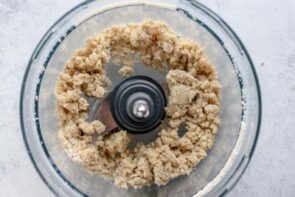
In a food processer, pulse together almond flour, coconut flour, brown sugar substitute, baking powder, xanthan gum and salt. Add cubed butter and vanilla. Pulse until coarse crumbled form.
- 1 1/4 cup almond flour
- 3 tablespoons coconut flour
- 1 tablespoons brown sugar free sweetener
- 1/2 teaspoon baking powder
- 1/2 teaspoon xanthan gum
- 1/4 teaspoon salt
- 4 tablespoons unsalted butter (chilled & cubed)
- 1 teaspoon vanilla
Bake crust
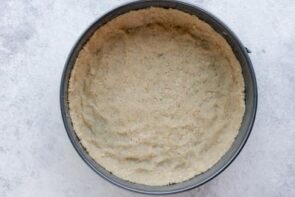
Press the cheesecake crust into the prepared springform pan. Make sure you press into an even layer along the bottom and a little bit up the sides. Bake at 350 degrees for 9 minutes. Remove from oven to cool. Decrease oven temperature to 325 degrees.
Mix cream cheese and yogurt
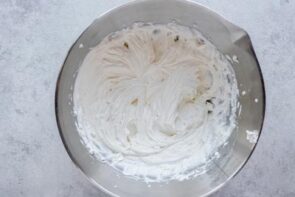
In a medium bowl, combine softened cream cheese and yogurt using an electric mixer. Mix together until smooth and silky.
- 8 oz cream cheese (softened)
- 1 cup yogurt
Finish the filling
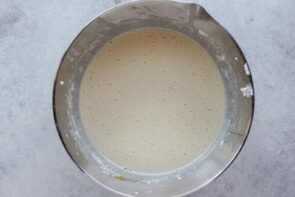
Add protein powder, sweetener, vanilla extract and eggs to the cream cheese mixture. Mix until smooth.
- 1 cup protein powder
- 1/2 cup sugar-free sweetener
- 1 teaspoon vanilla
- 3 eggs
Bake cheesecake
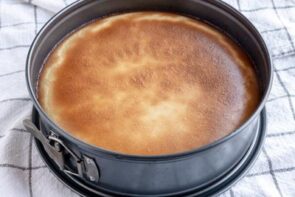
Pour the cheesecake mixture into the pan on top of the crust and bake at 325 degrees for 45-50 minutes or until the edges are set and the center is slightly jiggly. Remove from the oven and let cool at room temperature for 10 – 15 minutes. Slide a knife around the edges to loosen them from the pan before transferring to the refrigerator to cool for 2-3 hours.
Nutrition disclaimer
The nutrition information provided is an estimate and is for informational purposes only. I am a Doctor of Pharmacy (Pharm.D.); however, this content is not intended to be a substitute for professional medical advice, diagnosis, or treatment. Always consult your physician or other qualified health provider before making any lifestyle changes or beginning a new nutrition program.
Your Macros. Your Recipes. Calculated in 60 Seconds.
Get personalized keto macros and instantly see which recipes fit your targets. No more guessing what to eat.
Get My Macros + Recipes →Frequently Asked Questions
How much protein is in regular cheesecake?
A typical slice of New York cheesecake has around 7-10 grams of protein. That's mostly from the cream cheese and eggs. I built this recipe to triple that number by adding Greek yogurt and whey isolate to the filling, which gets each slice above 30 grams without changing the taste or texture in a way you'd notice.
Why did my cheesecake crack on top?
I've cracked my share of cheesecakes, and it almost always comes down to one of three things: overmixing (too much air in the batter), opening the oven mid-bake, or cooling too fast. I don't use a water bath for this recipe. Instead, I let it cool at room temperature for 10-15 minutes before moving it to the fridge. That gradual cooldown is what keeps mine crack-free. If you do get a crack, it won't affect the taste at all.
Can I use cottage cheese instead of Greek yogurt?
I've tested this swap and it works. Blend the cottage cheese in a blender or food processor until completely smooth before adding it to the filling. You'll get a slightly higher protein count per slice, and the texture stays creamy. The tang is a little different (milder than Greek yogurt), but my family didn't notice the difference.
What protein powder works best in cheesecake?
I use whey isolate (unflavored or vanilla) and I've stuck with it after testing a few options. Whey concentrate holds more moisture and made my filling looser than I wanted. Casein works too and actually makes the filling slightly thicker, but it can taste chalky if you use a lower quality brand. I haven't had good results with plant-based protein powders in baked cheesecake. They tend to add a gritty texture.
Can I make this as a no-bake cheesecake?
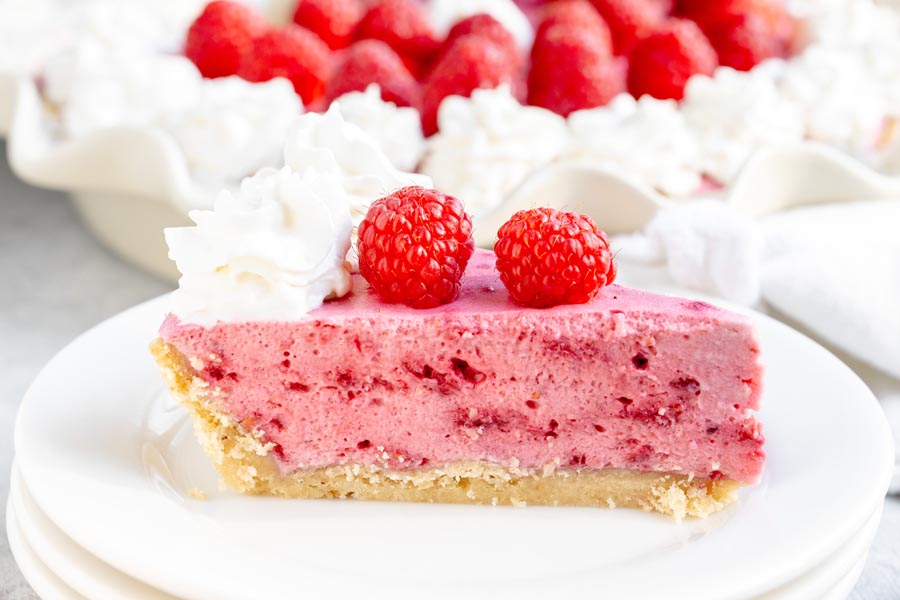
I'd recommend a different recipe for no-bake. This filling is designed to be baked (the eggs need heat to set the structure), and skipping the oven would give you a runny center. If you want a no-bake option, my keto raspberry no-bake cheesecake uses a gelatin-based filling that sets in the fridge instead.
Does protein powder change the texture of cheesecake?
It can if you use the wrong kind. I've found that whey isolate dissolves the cleanest and has almost no effect on texture. The filling is still silky and dense, just like a traditional cheesecake. The trick is mixing the protein powder in with the sweetener and vanilla before adding the eggs. If you dump it in last, it clumps.
Can I make mini cheesecakes with this recipe?
I've done this in a greased muffin tin. Use the same filling, skip the crust (or press a small amount into each cup), and bake at 325 degrees. Mine were done in about 18 minutes, but I'd start checking at 15. The centers should still jiggle slightly when you pull them out. You'll get roughly 12 minis from one batch.
Can I make chocolate or strawberry flavored cheesecake with this recipe?
I swap the protein powder flavor and it works. For chocolate, I use chocolate whey isolate and add a tablespoon of unsweetened cocoa powder. For strawberry, I use strawberry-flavored protein and fold in a few diced fresh strawberries after mixing. The base recipe stays the same. I'd avoid adding liquid flavor extracts beyond a teaspoon since too much liquid throws off the filling's ratio.


My teenager saw it on the counter and assumed I'd picked it up from somewhere. Didn't correct her until after she'd had a slice, and then she was genuinely annoyed that she'd been complimenting my baking. Something about the Greek yogurt in the filling gives it that dense, creamy thing that actually reads as bakery.
Ha, the annoyance part is the best. You're right about the yogurt (that's where the dense texture comes from). The whey isolate just keeps it from going rubbery.
Solid recipe and the macros genuinely deliver. My only note: the crust could use more salt. The almond flour base came out a little flat on its own, and the filling is sweet enough that the contrast isn't there without it.
Yep, 1/4 tsp is conservative for that crust. I'd go 1/2 or do a pinch of flaky salt on top right before it goes in the oven. The filling is sweet enough that the base really does need something to push against.
Was fully expecting the Greek yogurt to mess up the texture. It doesn't, and it's closer to real cheesecake than every other keto version I've tried. Minus one star because my crust needed an extra 5 minutes, but I'll call that a me problem.
Brought this to our February dinner (kept my mouth shut about the keto/protein thing) and the crust is what stopped everyone. Someone poked at it and said 'wait is this a cookie crust' before she even took a bite, because that almond flour base has this crispy, buttery texture that's nothing like a regular graham cracker. Two people asked what bakery I ordered it from. When I finally mentioned 33 grams of protein per slice there was this confused silence like I had said something that didn't compute.
The bakery question is the goal honestly. People's brains just can't reconcile that texture with '33 grams of protein.'
My daughter's been really into hitting her protein goals, so I made this Sunday. She ate two slices, then pulled up the macro breakdown on her phone to show my husband, which she never does with keto stuff. He ended up having a piece too. The almond flour crust surprised me most.
Ha, your husband eating a piece is the actual win. The crust surprised me during testing too. Coconut flour mixed in is what gives it that buttery snap most people don't expect from almond flour alone.