Keto Chicken Katsu

Published March 11, 2024 • Updated March 10, 2026
This post may contain affiliate links. See my disclosure policy.
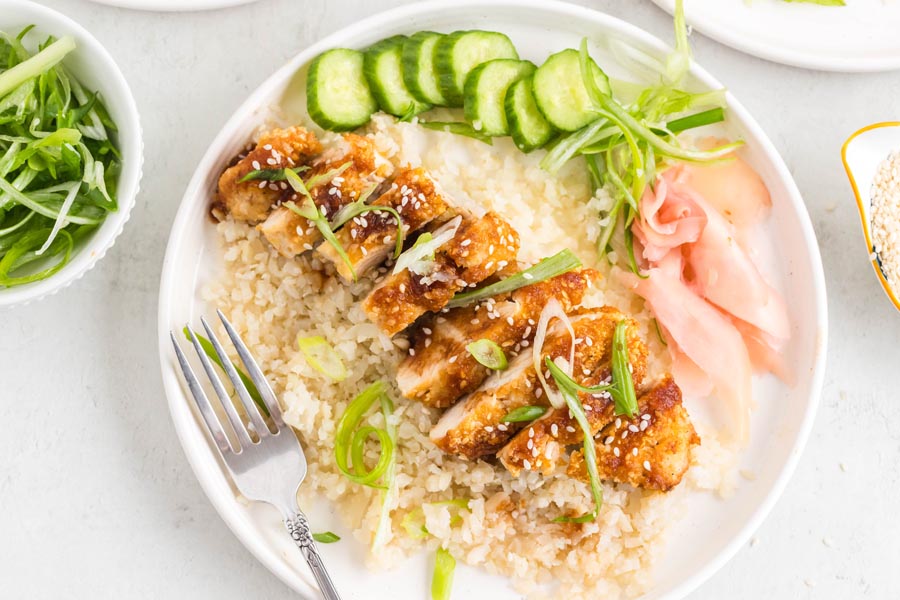
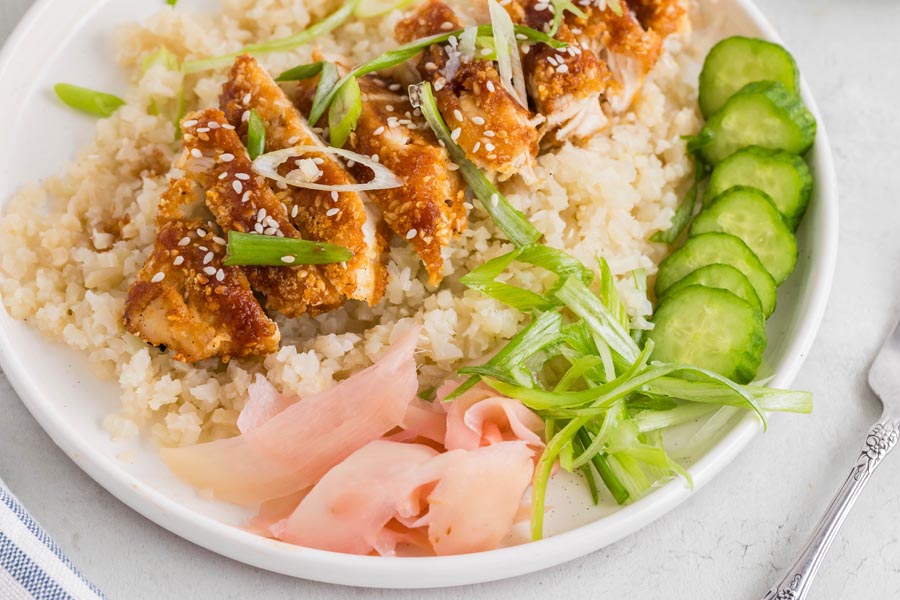
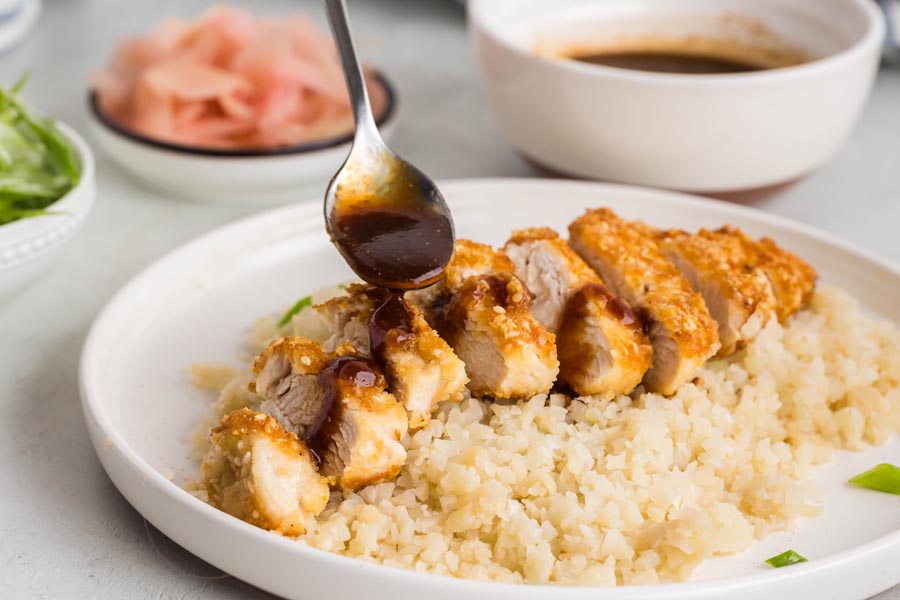
I started making this after I got tired of the same breaded chicken rotation. I wanted something with that real Japanese breaded cutlet crunch, and pork panko turned out to be the answer. Three ingredients, about 15 minutes of active cooking, and you get a crispy, golden crust that rivals any panko-breaded version I have had at a restaurant.
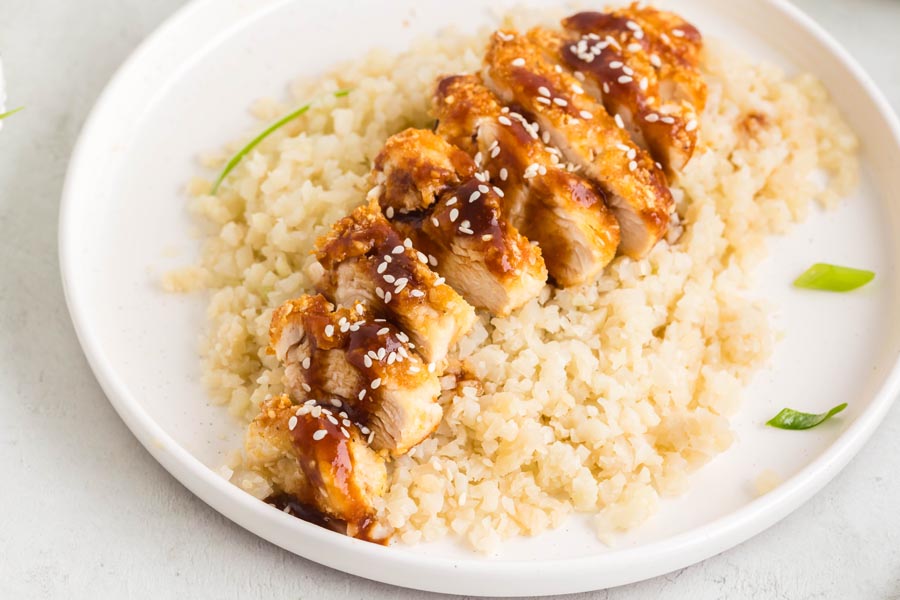
What makes this keto?
- Pork panko replaces traditional breadcrumbs. I have tested every low carb breading out there (parmesan crusts, almond flour, coconut flour) and pork panko wins for katsu every time. It is light, flaky, absorbs less oil than regular panko, and fries up with zero carbs and a crunch you can hear across the kitchen.
- Sugar-free tonkatsu sauce takes five ingredients and about 30 seconds. I use low-sugar ketchup, Worcestershire sauce, soy sauce, a pinch of sweetener, and garlic powder. It hits that sweet-tangy flavor the real sauce is known for. If you find it too tangy, I cut back on the Worcestershire a little and add an extra pinch of sweetener to balance it out.
What I like about this recipe is how it fits into a bigger Japanese keto night. I serve these cutlets sliced over cauliflower rice with the tonkatsu sauce and a pile of shredded cabbage on the side, which is the traditional way and it works. For something different, I build a katsu bowl with stir fry sauce drizzled over the top instead. My family asks for this combo regularly, and nobody at the table feels like they are eating ‘diet food.’ The pork panko crust gets so crispy that my kids treat it like chicken nugget night.
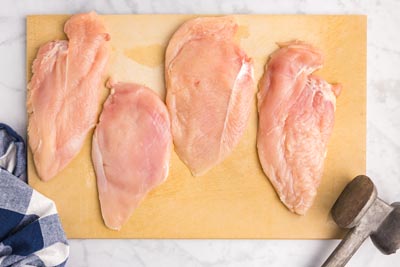
One thing I learned after making this dozens of times: pound your cutlets thin and even. If one end is thicker than the other, the thin side overcooks while you are waiting for the thick side to hit temp. I aim for about 1/4 inch across the whole cutlet. That way every piece cooks in the same 3-4 minutes per side and the sesame seeds in the crust get properly toasted without the chicken drying out.
If you are into Japanese keto recipes, I have a whole lineup that rotates through our weeknight dinners. My hunan chicken goes heavier on the sauce, the poke bowl is the opposite end of the spectrum (light, fresh, barely any cooking), and teriyaki chicken is the one I fall back on when I do not want to think. This recipe holds its own with any of them.

Explore 683+ keto recipe videos with step-by-step instructions, tips, and tricks to make keto easy.
Keto Chicken Katsu Ingredients
 2 large boneless, skinless chicken breast
 -
1 cup pork panko
-
3 tablespoons sesame seeds
-
cooking oil for frying
Low Carb Tonkatsu Sauce Ingredients
-
1/4 cup no-sugar added ketchup
-
2 ½ tablespoons Worcestershire sauce
-
1 tablespoon soy sauce or liquid aminos
-
1 teaspoon sugar-free sweetener
-
1/8 teaspoon garlic powder
Step by Step Instructions
Step by Step Instructions
Slice into chicken cutlets
Cut each chicken breast in half through the middle to get 4 thinner cuts of chicken. Hammer them down to even thickness using a meat hammer, rolling pin or meat tenderizer.
- 2 large boneless, skinless chicken breast
Keto panko mixture
Place the pork panko and sesame seeds in a shallow bowl or plate. Add a generous sprinkle of salt. Mix to combine.

- 1 cup pork panko
- 3 tablespoons sesame seeds
- salt
Coat panko crust
Coat both sides of each chicken cutlet in the panko mixture, pressing to adhere as much panko into the chicken as possible.

Fry chicken
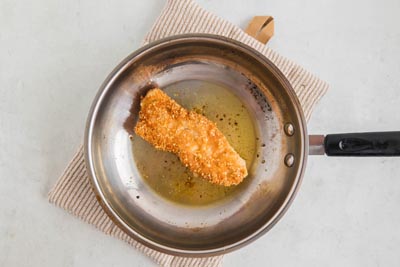
Heat 3-4 tablespoons of cooking oil in a large skillet over medium-high heat. Add the chicken and cook until golden brown (3-4 minutes). Flip and cook until golden brown on the other side or until the chicken reaches an internal temperature of 150-155°F. Remove chicken. Set aside on a paper towel-lined plate.
- cooking oil
Slice chicken
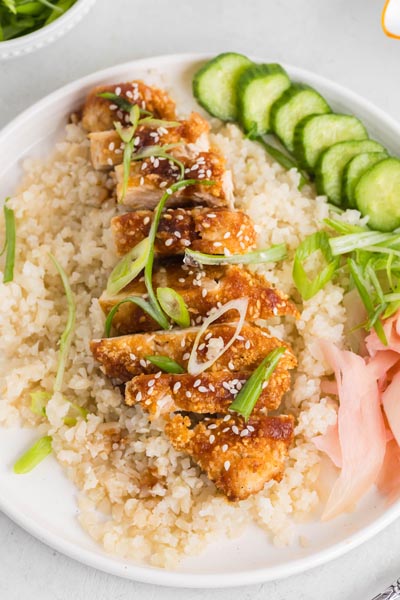
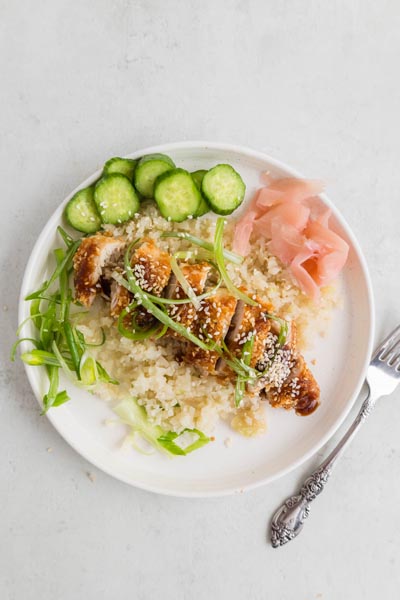
Once the chicken has cooled enough to handle, slice into thin strips. Serve over cauliflower rice with tonkatsu sauce drizzles on top.

Make keto tonkatsu sauce
Mix together ketchup, Worcestershire sauce, soy sauce or liquid aminos, sweetener and garlic powder in a small bowl.

- 1/4 cup no-sugar added ketchup
- 2 ½ tablespoons Worcestershire sauce
- 1 tablespoon soy sauce or liquid aminos
- 1 teaspoon sugar-free sweetener
- 1/8 teaspoon garlic powder
Nutrition disclaimer
The nutrition information provided is an estimate and is for informational purposes only. I am a Doctor of Pharmacy (Pharm.D.); however, this content is not intended to be a substitute for professional medical advice, diagnosis, or treatment. Always consult your physician or other qualified health provider before making any lifestyle changes or beginning a new nutrition program.
Your Macros. Your Recipes. Calculated in 60 Seconds.
Get personalized keto macros and instantly see which recipes fit your targets. No more guessing what to eat.
Get My Macros + Recipes →Frequently Asked Questions
Do I need to use an egg wash?
I skip the egg wash entirely. I press the pork panko and sesame mixture firmly into each cutlet and it stays put through frying. I have made this dozens of times without egg and the crust has never fallen off.
What should I serve with this?
My go-to is cauliflower rice with the tonkatsu sauce drizzled over everything. I also love it next to a simple shredded cabbage salad or over shirataki noodles. When I want a bigger spread, I pair it with my chicken stir fry or beef and broccoli for a full Japanese keto night.
Can I air fry or bake this instead of pan-frying?
I have done both. For the air fryer, I spray the coated cutlets with avocado oil and cook at 400 degrees for about 12-14 minutes, flipping halfway. For baking, I use 400 degrees on a wire rack over a sheet pan for 20-25 minutes. Pan-frying still gives the best crust in my experience, but the air fryer comes close.
What internal temperature should the chicken reach?
I pull mine at 155 degrees and let carryover heat bring it to 165. If I wait until the thermometer reads 165 in the pan, the chicken ends up dry. I use an instant-read thermometer every time because the cutlets are thin and the window between done and overdone is small.
What is the difference between chicken katsu and regular fried chicken?
I think of katsu as the Japanese cousin of fried chicken. The big difference is the breading. Katsu uses panko (or pork panko in my keto version) for a lighter, crispier crust, while traditional fried chicken uses seasoned flour or a batter. I also pound my katsu cutlets thin so they cook fast and evenly, which gives you a higher crust-to-meat ratio.
How do I make keto katsu curry?
I make a simple curry sauce by sauteing onion and garlic, adding curry powder, a splash of coconut cream, and a little chicken broth. I simmer it down until it thickens, then pour it over sliced katsu on cauliflower rice. My family prefers the curry version on cold nights. It turns this into a completely different meal.
Why is my pork panko crust falling off?
I had this problem early on and the fix was simple: press harder. I really push the panko mixture into both sides of each cutlet with my palms. I also make sure the chicken is dry before coating. Any moisture on the surface and the crust slides right off in the pan.
Can I add spice to the pork panko crust?
I have not tested this yet, but a reader named Natalie mixed a teaspoon of gochugaru into the pork panko and said the heat builds slowly after the first bite, just enough to balance the sweetness in the tonkatsu sauce. She also swapped a teaspoon of fish sauce for part of the Worcestershire, which pushed the sauce more umami-forward. Both ideas are on my list for the next batch. If you want to start simple, try the gochugaru in the panko first. It will not affect the crunch at all.



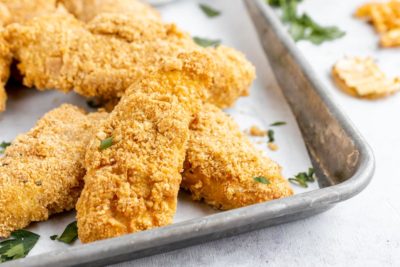
Something about the color the pork panko gets while frying convinced my 13-year-old we had ordered takeout. He walked in, saw the pan, and literally started looking around for a delivery bag. I had to prove I made it. He ended up grabbing pieces straight off the cutting board before I could slice them. First time that's ever happened to me as a beginner cook.
My family still does that. Something about the way pork panko fries up golden makes it look like it came from somewhere. The cutting board grab is the highest compliment.
I added a teaspoon of gochugaru to the pork panko mixture because I had some sitting in the pantry and figured it couldn't hurt. The heat barely registers when the chicken first comes out of the pan, but give it a couple minutes and there's this slow warmth that builds. Not enough to call it spicy, just enough to balance the sweetness in the tonkatsu sauce in a way I didn't expect. I also swapped about a teaspoon of fish sauce in for part of the Worcestershire (was running low) and that made the sauce a little more umami-forward, which I preferred. The sesame seeds toasted in the oil mid-cook and the smell was really something. I've tried other keto katsu versions with almond flour coatings and they go soft fast, but the pork panko here stays crispy even after sitting on the plate a few minutes.
Writing down the gochugaru idea. I've added heat to the sauce before, never to the breading. Fish sauce in the tonkatsu makes sense too, more umami without thinning it out.
Good but needed more time in the pan than 3-4 minutes per side. Once I let it go longer the sesame seeds really crisped up.
Tina yeah cook time depends a lot on how thick the cutlets are. I pound mine pretty thin so they go fast. Glad you let them go longer, the sesame seeds are the best part when they get toasted.
The pork panko crust gets so crispy. Way better than any almond flour coating I've tried on chicken.
Yeah the pork panko fries up way lighter. Almond flour gets dense.
Made this last night. The tonkatsu sauce is what makes it.
Yeah the sauce is so simple but it pulls everything together. I always make extra now.