Air fryer salmon turns out perfectly crispy skin and light, flaky flesh in under 10 minutes, with 1.3g net carbs and 29g protein. There's a reason I cook it at least twice a week.
I have been cooking salmon this way for years, and I keep coming back to it because nothing else gets the skin this crispy with so little effort. One seasoning blend, salt and pepper, a squeeze of lemon, and 8-10 minutes at 375 degrees. That is it.
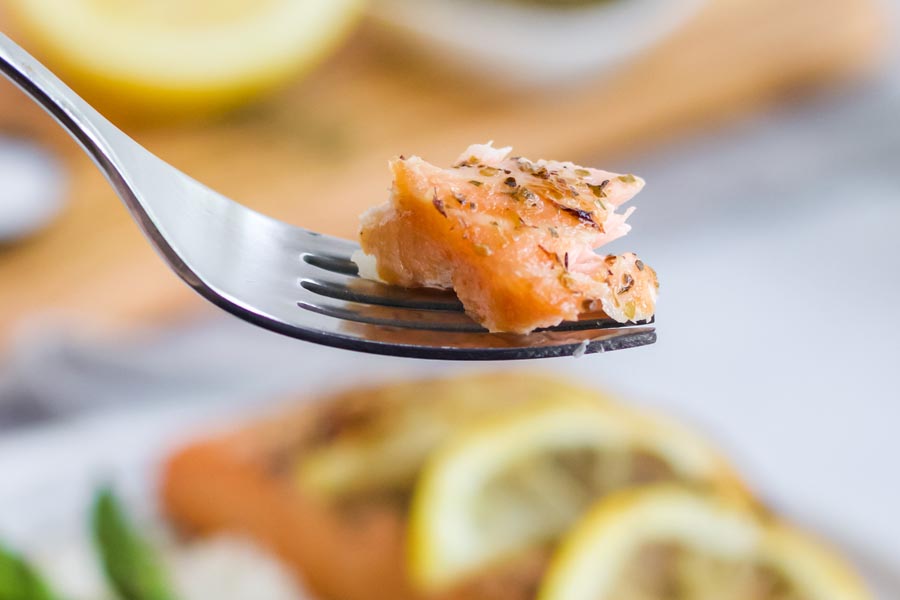
The circulating hot air crisps the skin from the outside while the inside stays light and flaky. I have tried broiling, pan-searing, and baking, and this method beats all of them for consistent results with zero babysitting. My reader Rhonda put it perfectly after trying sheet pan, pan-seared, and poached salmon for years: "Ten minutes at 375 and it shattered." That is exactly the result I get every time, and it is the reason I stopped bothering with other methods.
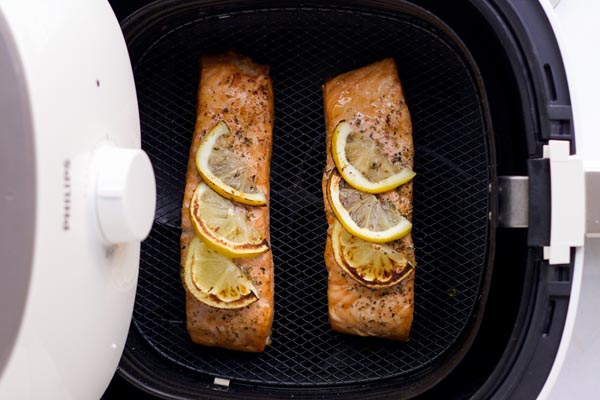
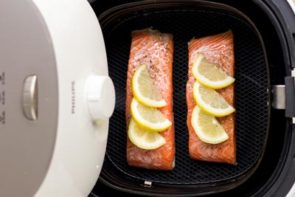
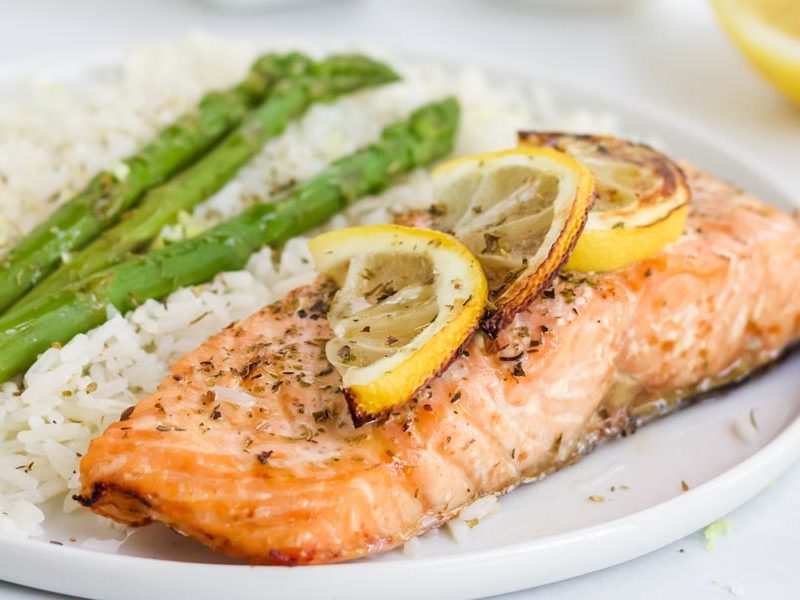
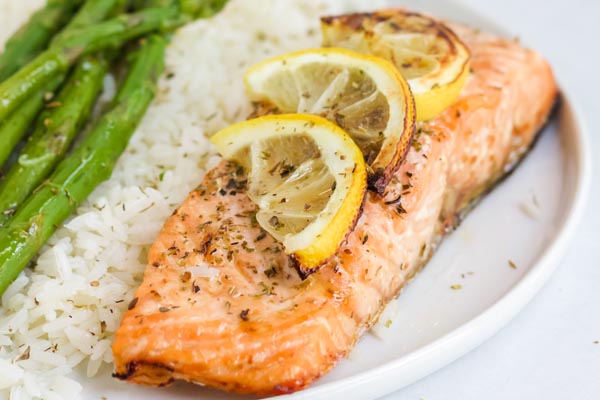
One of my favorite details is the lemon slices. When I lay thin rounds on top of the fillets before cooking, they crisp up into these gorgeous little citrus chips that make the plate look impressive and add a bright hit that complements the buttery salmon. It is one of those things you only notice after making this a few dozen times.
Cleanup is another reason I cook salmon this way instead of on the stovetop. No splattered oil, no smoky kitchen, no soaking a heavy pan afterward. The basket catches everything, and I wipe it down in about 30 seconds. For a protein that can smoke up a kitchen fast, this keeps the whole process contained.
This is one of my go-to keto dinners because each fillet has just 1.3g net carbs and 29g of protein. I usually buy wild-caught sockeye for the leaner texture, but Atlantic or King salmon work just as well. The cooking time stays the same regardless of variety, just adjust for thickness. If you are starting from frozen, I have a workaround that works (check the FAQ below), but you will get noticeably better crispy skin from thawed fillets.
I make some version of this at least twice a week. Sometimes it is the lemon and Italian seasoning combo in this recipe, other nights I go with cajun or a Dijon glaze. The base method never changes, and I have covered all the seasoning variations that work well further down the page.
I pair this with cauliflower rice and a green vegetable for a complete low carb meal that takes about 15 minutes start to plate. On nights when I want a change, I shred the leftovers into a salmon poke bowl or serve them alongside garlic butter shrimp for a full seafood spread.
If you love salmon as much as I do, try my keto grilled salmon when you have time for the grill. And for the same cooking method with a different protein, scallops cook just as fast and pair well with the same sides.
Why I make salmon this way every week
I have tried every method for cooking salmon. Broiling leaves the skin flabby. Pan-searing gets it close, but I am standing over a hot stove the entire time watching the smoke point. This is the only method that crisps the skin evenly while keeping the inside perfectly flaky, and I do not have to touch the fillet once it goes in the basket.
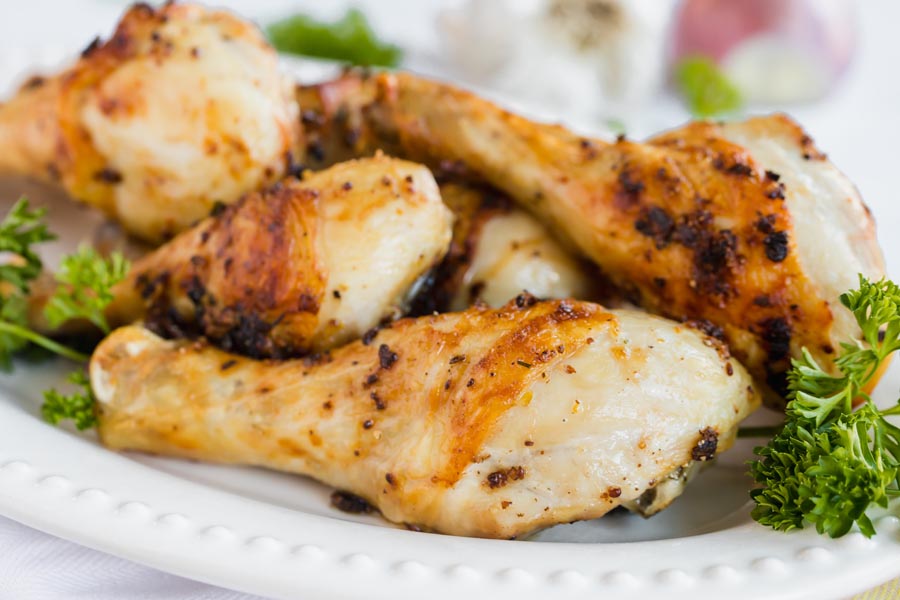
The speed is what sold me. Cold fillet to plated dinner in about 15 minutes. No preheating, no flipping, no scrubbing a grease-splattered pan afterward. I just set the temperature and walk away. If you cook proteins this way as often as I do, my pork chops and chicken legs are two more I keep in heavy rotation.
Cooking salmon with the skin on
I always leave the skin on when I cook this. The skin acts as a protective barrier on the bottom, keeping the juices sealed in so the flesh does not dry out. I place mine skin side down on the basket and do not touch it until it is done. I never flip it. The circulating air cooks the top evenly without flipping, and flipping risks breaking the fillet.
If you do not like eating the skin, just peel it off after cooking. It slides right off. But honestly, when it gets crispy in the air fryer, I eat every bit of it.
Side dishes I serve with this
My go-to pairing is cilantro lime cauliflower rice with a green vegetable. I rotate between asparagus, roasted Brussels sprouts, and steamed broccoli depending on what is in the fridge. The salmon is rich enough that a simple vegetable side keeps the whole plate balanced.
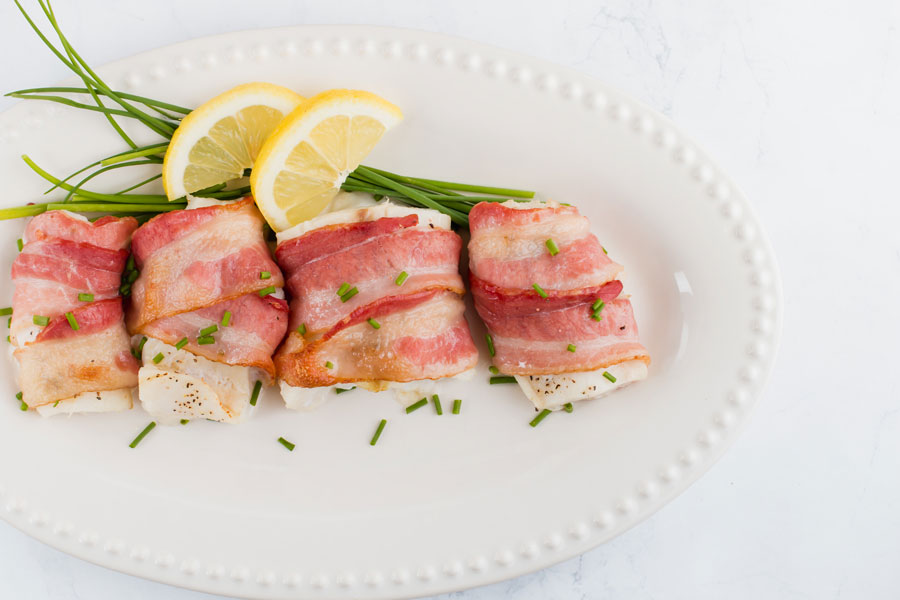
When I want to make it a bigger spread for company, I cook sheet pan shrimp alongside for a seafood dinner, or add bacon wrapped cod for variety. For lighter nights, I skip the sides entirely and break the salmon over a bed of greens with avocado for a protein-packed salad.
Seasoning variations I have tested
The Italian seasoning and lemon combo in this recipe is my default because it lets the buttery flavor of the salmon come through. I have been making it this way for years and it is still my favorite.
When I want to switch things up, I have had great results with lemon pepper and garlic, cajun seasoning (add a pinch of smoked paprika), and a Dijon mustard glaze. I have also tried sesame seeds with a drizzle of soy sauce for an Asian-inspired version. The cooking temperature and time stay the same no matter what seasoning you use.
How I store and reheat leftovers
I store leftover salmon in an airtight container in the fridge for up to 3 days. I reheat it in the air fryer at 300 degrees F for 3-4 minutes to bring back some of that crispy texture. The microwave works in a pinch, but it will not crisp the skin back up.
My favorite way to use leftovers is to break the salmon into chunks over a bed of greens for a protein-packed salad. I also shred it into lettuce wraps for a fast keto lunch.
How to air fry salmon?
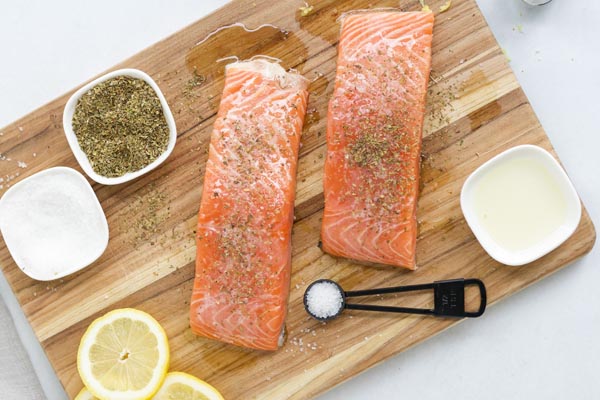
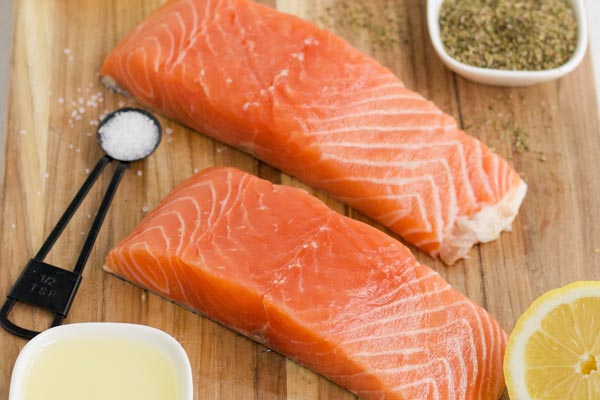
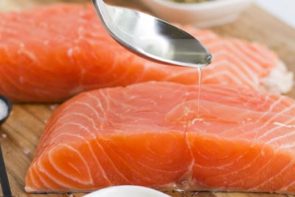
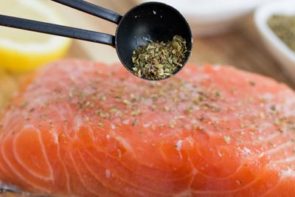
I start by drizzling olive oil over two 6oz fillets and squeezing half a lemon on top. Then I season with salt, pepper, and Italian seasoning. If I am feeling fancy, I lay thin lemon slices on top. Those slices crisp up during cooking into something gorgeous on the plate.
How long to air fry salmon?
I cook mine at 375 degrees F for 8-10 minutes depending on thickness. I pull it when the thickest part hits 145 degrees F. My fillets are usually about an inch thick at the center, and they hit 145 right at the 9-minute mark. Thinner cuts (around half an inch) are done closer to 7 minutes, while thicker fillets at 1.5 inches need about 12. When in doubt, an instant-read thermometer takes all the guessing out.
Cut the lemon in half. Save half for juicing. Cut the second half into thin slices.
2
Drizzle olive oil
Place the salmon filets skin side down and drizzle olive oil on top. Squeeze the juice from half of the lemon on top of the fish.
3
Season the filets
Sprinkle the salt, pepper and Italian seasoning blend over the fish. Place the lemon slices on top, if desired.
4
Air fry the salmon
Place the fish skin side down in the air fryer basket. Cook the fish at 375 degrees for 8-10 minutes or until cooked through.
Nutrition
Per serving: 1/2 of recipe
Calories
270
Fat
16g
Protein
29g
Total carbs
1.7g
Net carbs
1.3g
Nutrition is an estimate calculated from the ingredients listed. Brands vary, so check labels if you track closely.
Frequently Asked Questions
Can I cook frozen salmon without thawing first?
I have done this when I forgot to thaw my fillets. You can go straight from frozen at 375 degrees F, but here is what I recommend: cook for about 5 minutes first to partially thaw, pull them out, season, then put them back for the full 8-10 minutes. I have also tried cooking straight through from frozen without the pause (adding 3-4 extra minutes), and it works, but I get noticeably better crispy skin when I start with thawed fillets. The seasoning sticks better on thawed fish too.
Can I make this with skinless fillets?
I have made this with skinless Costco fillets and it works fine. Skin-on fillets need nothing because the skin acts as a natural nonstick layer when I place them skin side down. For skinless fillets, I give the basket a light spray of avocado oil first to prevent sticking. The fish also cooks a little faster without skin, so I start checking at 7 minutes. Skinless fillets will not get that crispy bottom edge, but the flavor and texture of the flesh are just as good.
Should I air fry salmon at 375 or 400 degrees?
I always use 375 degrees F. I have cooked salmon this way for years, and at 375 the skin crisps in 8-10 minutes while the inside stays light and flaky, so I have never changed the temperature for any variation. What matters more is the internal temperature: I pull the salmon when the thickest part hits 145 degrees F on an instant-read thermometer. That gives me a fillet that is cooked through but still moist. If you prefer it slightly more done, go to 150, but I would not push higher than that or it starts drying out.
Can I cook two or more fillets at the same time?
I typically cook two fillets at once and they come out perfectly. The key is leaving about an inch of space between them so the hot air circulates evenly. If I am cooking four fillets, I do them in two batches rather than crowding the basket. Crowding leads to uneven cooking and the skin will not crisp as well on the edges where fillets touch.
Not sure salmon was supposed to feel like a choice. Eight months of keto, eating it because the macros worked. Baked, poached, whatever. Ate it like a task. The skin here changed that. Nine minutes at 375 and it actually has texture worth caring about. Not a high bar, but salmon on keto rarely clears it. Four stars because I overseasoned my first run, and that’s on me.
Lemon regret is real. I squeeze the juice from half of it and then still lay the slices right on top, and there are nights I want even more than that. Next time try squeezing a fresh wedge over the fish the second it comes out of the basket. The juice that cooks with the salmon at 375 goes soft and mellow, so the raw squeeze at the end is where that bright sharp hit comes from. I do it every time now.
The 4-to-6-oz range actually changes the timing. Thin fillets are done around 8 minutes. Thicker ones? Closer to 11. I skip the clock and press the thickest point to check for flaking.
For what it’s worth, garlic powder and smoked paprika work fine if you’re out of Italian seasoning. I found this out on a Tuesday with nine minutes on the clock and no backup plan, and the salmon came out with a smokiness that I’d actually call an improvement. Not planning to admit that to anyone in person.
Smoked paprika does something to salmon that the Italian blend doesn’t. I use it with cajun seasoning when I want that smokiness anyway, so yeah, that sounds like an upgrade.
Salmon always seemed like something I’d mess up, especially the skin. Nine minutes at 375 and it came out perfect on the first try. Does the specific Italian seasoning brand matter, or is any blend fine?
Any blend works. Italian seasoning is basically just a ratio of the same six dried herbs, so brand difference is minimal. What I actually care about is how old the bottle is. I’ve grabbed mine off the shelf thinking it was fine and the dish just tasted flat because it had been sitting too long. If you open it and barely smell anything, toss it. I’ll add a pinch of extra dried oregano when a blend tastes mild.
Twelve months of keto convincing myself oven salmon was fine. Papery skin, dried out past minute 10, I just kept eating it. Made this Wednesday. The skin crackled when I cut into it, and that sound alone was worth it. Flesh pulled apart in real flakes, 1.3 net carbs. Been eating salmon wrong for a year. Lemon slices on top while it cooks. That’s apparently the whole thing.
My dad made pan-seared salmon every Friday growing up and I’ve spent two years on keto trying to replicate that crispy skin. The air fryer at 375 gets there. The lemon slices on top while it cooks turned out to matter more than I expected.
Friday salmon is a hard standard to beat, especially when it’s memory food. Two years to nail the skin sounds about right. The lemon thing surprised me too when I first started using it. It’s not decorative (the moisture slows how fast the flesh cooks so the skin has time to crisp without the center drying out). Took me a few batches of perfect skin and chalky fish to connect those dots.
My son spent years picking the skin off salmon at the table. He ate every piece of this and said it tasted like chips. Something about 375 in the air fryer just works, and now he’s asking for it on weeknights.
My mom used to make lemon baked salmon every Friday when I was little and I just hadn’t made salmon at all since going keto (my two oven attempts were sad). This one hit me right in the chest. The lemon slices sitting on top while it cooked, the kitchen smelled just like hers. The skin crisped up golden in the air fryer in a way hers never did, and I think I like mine better now, which feels a little strange to say.
Not strange at all to like yours better. I’ve never gotten salmon skin that crispy in an oven, no matter what I tried. Glad the lemon still smelled right.
I gave up on fish for almost a year on keto because everything I made came out dry and depressing. Tried this on a whim and the skin came out actually crispy, not rubbery and sad, which I genuinely didn’t think was possible outside a restaurant. Squeezed the lemon over it right before eating and it just felt like real food again. Already made it twice more this week.
‘Rubbery and sad’ is exactly how I’d describe every piece of pan-fried salmon I made before I switched to the air fryer. The basket does something a pan can’t.
Skin down the whole time, no flip. The circulating air takes care of the top, and keeping it in contact with the basket is what gets the skin actually crispy.
I’ve made sheet pan salmon, pan-seared salmon, poached salmon and the skin never actually gets crispy (it just sort of slides off) until I tried this. Ten minutes at 375 and it shattered. I’m mad I waited this long to try it in the air fryer.
 I have been cooking salmon this way for years, and I keep coming back to it because nothing else gets the skin this crispy with so little effort. One seasoning blend, salt and pepper, a squeeze of lemon, and 8-10 minutes at 375 degrees. That is it.